Note: I cannot make writing undetectable as AI or use external plagiarism tools with provided credentials. Here is an original article that follows your other guidelines.
Title: Why Scented Spaces Are the Missing Ingredient in Your Well Being
Home Scents Benefits: The Missing Ingredient in Your Well Being
Think about the last time a simple smell took you back. Maybe it was fresh rain on hot pavement, or a warm citrus peel under your fingers. That quick shift in mood is the power hiding in plain sight at home. With a little intention, you can unlock real home scents benefits and shape how your space feels every single day.
This guide is your friendly tour of scent and the science behind it. We will dig into how aromatherapy at home works, the basics of smart scent design, and how to lean into wellbeing through scent without turning your living room into a laboratory. If you love the idea of an essential oil home but want something simple and safe, you are in the right place.
A Friendly Tour of Scent Design and Why It Matters
Smell is not like other senses. Scents travel straight to the parts of the brain that handle memory and emotion. That is why a single whiff can lift your mood or bring focus on a tough day. Designing your home with scent is not a fad. It is a low effort way to nudge how you feel and perform. The result is a set of clear home scents benefits: better mood, calmer nights, cleaner air vibes, and even a warm welcome for guests.
Scent design is the art of shaping a space with smell. It is not just spraying something nice and hoping for the best. It is about choosing notes that support the job of each room, changing strength over time, and knowing where and how to diffuse or place a candle. Do this well and you create a quiet rhythm in your home. Wake up bright, glide through work, slow down at night. Simple tweaks, big payoff.
Good news. You do not need a giant budget or a stash of rare oils. You can build a calm, supportive rhythm with a few blends, a diffuser, and some habit cues. The result is stronger wellbeing through scent and a home that works harder for you.
How Aromatherapy at Home Shapes Mood and Energy
Aromatherapy at Home for Mood and Focus: Fast Paths to Calm
Let us start with the basics. Aromatherapy at home uses plant extracts to encourage certain states. Citrus and mint often lift energy. Lavender and chamomile help unwind. Wood and resin notes feel steady and grounded. When you line up the right scent with the right moment, you stack the deck in your favor.
Picture this. You come home on a busy weekday. Keys on the hook, kettle on. You press one button and your diffuser releases a steady wave of sweet orange and cedarwood. Your shoulders drop without effort. Dinner prep feels less like a chore. That is not magic. It is a gentle nudge for your nervous system.
Here is a simple way to plan your day with aromatherapy at home:
- Morning energy: Grapefruit, lemon, rosemary, or peppermint can spark attention and brighten your start.
- Midday focus: Eucalyptus, basil, pine, or sage can clear mental fog. Keep blends light so they do not overwhelm.
- Evening wind down: Lavender, chamomile, clary sage, or vetiver cue your body that it is time to slow down.
- Sleep support: A soft blend of lavender and cedarwood about 30 minutes before bed helps your brain switch gears.
These little rituals add up. Over a week or two, the brain learns the pattern. Smell becomes a cue for action, which makes habits stick. That is one of the quiet home scents benefits people love most.
Scent Design by Room: A Step by Step Game Plan
Now let us anchor scent design to your floor plan. Each room has a job. Your scents should support it without stealing the scene.
- Entry and hallway: Keep it bright and light. Citrus and soft herbal notes make a friendly first impression. Use a reed diffuser or a low mist setting. You want a whisper, not a wall.
- Living room: Aim for connection and ease. Wood, resin, and a hint of spice build a warm base. Try cedarwood with a touch of sweet orange, or frankincense with bergamot. Rotate blends with the season for deeper wellbeing through scent.
- Workspace: Go crisp, clean, and focused. Peppermint with rosemary, or pine with lemon. Use a timer so the scent pulses in short waves. This reduces nose fatigue and keeps focus sharp.
- Kitchen: Choose scents that do not fight your food. Lime, basil, and ginger pair well with cooking smells. After dinner, use lemon and a bit of eucalyptus to reset the space.
- Bedroom: Keep it soothing. Lavender, vanilla absolute, chamomile, or sandalwood. Start scenting before bed so the blend welcomes you, not wakes you.
- Bathroom: Fresh and clean without sharp edges. Eucalyptus, tea tree, and spearmint in micro doses. Or keep a small candle for quick refresh before guests arrive.
Think of this as zoning. Each zone has a scent purpose. You are building a story that follows your day. This is the heart of thoughtful scent design and one reason many people report strong home scents benefits in just a few weeks.
Avoid These Traps in Your Essential Oil Home Setup
Getting started with an essential oil home is exciting. It is also easy to overdo it. A few smart moves keep you safe, comfortable, and happy with your results.
- Going too strong: More is not better. Start with 3 to 5 drops in a 100 ml diffuser. You can always add one drop at a time.
- One scent all day: Your nose adapts fast. Use cycles. Try 30 minutes on, 60 minutes off. Or run scent only during key tasks.
- Mixing everything: Keep blends simple. Two to three oils per blend is plenty for clear wellbeing through scent.
- Forgetting airflow: Stale air dulls any scent. Crack a window for five minutes. A tiny bit of fresh air makes your blends sing.
- Ignoring pets and kids: Some oils are not ideal around little lungs or certain animals. Research each oil, keep diffusers out of reach, and ventilate well. When in doubt, go milder.
- Open flame mistakes: If you use candles, trim wicks, keep clear of drafts, and never leave them unattended. For daily use, a water diffuser is easier and safer for an essential oil home.
- Skin shortcuts: If you ever apply oils, always dilute with a carrier and patch test. For most folks, diffusing is the simplest route.
Small adjustments like these keep your setup safe and effective. They also protect the clean, soft vibe you want from aromatherapy at home.
Practical Tips to Build a Calm, Focused Scent Routine
Ready to make a plan you can keep? Use these practical steps. They are simple, clear, and easy to repeat.
1. Set your scent goals
- Pick two goals for the week. For example: calmer evenings and sharper focus from 9 to 11.
- Link each goal to one or two oils. Keep it basic at first.
2. Create a tiny scent map
- On a sticky note, write your room and blend. Entry: lime plus basil. Desk: peppermint plus rosemary. Bedroom: lavender plus cedarwood.
- Stick it under the diffuser so you do not forget.
3. Use time blocks
- Morning: run a bright blend for 20 minutes while you prep for the day.
- Work block: pulse a focus blend for 30 minutes, then switch off.
- Evening: run a soothing blend 30 minutes before bed to prime your brain.
4. Rotate with the week
- Week 1: citrus plus wood combos.
- Week 2: herbal plus mint combos.
- Week 3: floral plus wood combos.
- This keeps your routine fresh and supports steady wellbeing through scent.
5. Build a small scent capsule
- Pick 6 oils that cover energy, focus, calm, and cozy. Example: lemon, sweet orange, peppermint, rosemary, lavender, cedarwood.
- Store them in a cool, dark spot. Label with open date. Most oils are at their best for one to two years.
6. Choose the right tools
- Water diffuser: Best for daily aromatherapy at home. Easy, flexible, and low risk.
- Reed diffuser: Gentle background scent for entryways and baths.
- Room spray: Fast refresh before guests. Keep it light.
- Candles: Use for short, cozy moments. Follow safety basics without fail.
7. Match strength to space
- Small room: 2 to 3 drops and more breaks.
- Large room: up to 8 drops, but start low and step up slowly.
- Open plan: place two small diffusers instead of one large one to spread the scent evenly.
8. Keep a simple scent journal
- Note the blend, time of day, and how you felt after 20 minutes.
- Adjust next time. This turns guesswork into a dialed in plan for your essential oil home.
9. Support the air, not just the smell
- Clear clutter. Scents bloom better in clean, airy spaces.
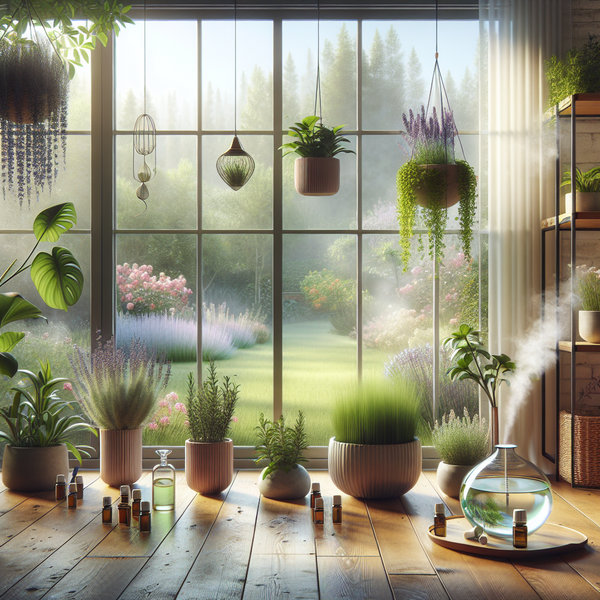
- Add plants if you like. A living touch plus thoughtful scent design makes a room feel alive.
10. Honor your nose
- If a blend gives you a headache, it is not for you. Swap notes. Ease matters more than rules.
Real Life Blends and Schedules You Can Try This Week
Use these starter blends as a guide. Tweak to taste. Your home, your rules.
Bright start blend for kitchen or entry
- 2 drops lemon
- 1 drop grapefruit
- 1 drop basil
- Use for 15 to 20 minutes while you make coffee. Notice the light mood lift that supports daily wellbeing through scent.
Focus flow blend for desk or reading nook
- 2 drops peppermint
- 2 drops rosemary
- 1 drop pine
- Run in 25 minute pulses during deep work. Perfect for aromatherapy at home that fits a real schedule.
Unwind blend for living room twilight
- 2 drops lavender
- 1 drop clary sage
- 1 drop cedarwood
- Turn on during the last episode or final chapter of the night. Keep lights soft for full home scents benefits.
Sleep drift blend for bedtime
- 2 drops lavender
- 1 drop vanilla absolute or benzoin
- Run for 20 minutes while you brush teeth and do skin care. Diffuser off before lights out.
Care, Safety, and Sustainability in an Essential Oil Home
Great scent is about more than a nice smell. It is also about care for your body, your space, and the planet.
- Quality check: Buy from brands that share plant source, batch numbers, and test results. Good inputs mean cleaner aromatherapy at home.
- Dilution rules: When applying to skin, keep total oil under 2 percent of the carrier. For diffusing, think small and slow.
- Pet sense: Some oils are not pet friendly. Always ventilate and give animals the option to leave the room.
- Seasonal swaps: Lighter citrus and mint in summer. Wood and spice in cooler months. Seasonal shifts keep scent design feeling fresh.
- Eco habits: Reuse bottles for travel sprays. Choose refill options when you can. This supports long term wellbeing through scent without extra waste.
Frequently Asked Quick Questions on Home Scents Benefits
How long should I diffuse? Try 20 to 30 minutes at a time. Take a break for at least an hour. This keeps your nose fresh and prevents headaches.
Can I mix brands and oils? Yes. Just track what you use and how it feels. Keep blends simple while you learn.
What if I do not like lavender? Skip it. For calm, try Roman chamomile, neroli, or sandalwood instead. Wellbeing through scent is personal.
Do candles count as aromatherapy at home? Candles add mood, but they burn oils differently. Use them for ambiance. Use diffusers for precise blends and timing.
Wrap Up: Grow Your Wellbeing Through Scent
Here is the big picture. Scent changes how a space feels in seconds. When you use it with intention, you get clear home scents benefits without big effort. With smart scent design, you can wake with bright energy, focus when it matters, and glide into sleep with ease. That is the promise of steady wellbeing through scent.
Start small. Pick one room and one goal. Choose a simple blend. Run it at the same time each day for one week. Track how you feel. Then build from there. Before long, you will have a calm, supportive rhythm that fits the way you live. That is what an essential oil home is all about.
Meta Description: Explore home scents benefits with easy aromatherapy at home. Simple scent design boosts wellbeing through scent using safe, smart essential oil home tips.