Lighting and Mood: What Changes and How to Fix It Fast
You know that strange shift when your space feels cozy at noon but harsh by night? That is not in your head. Light shapes how you feel, think, and even how well you sleep. The link between lighting and mood is strong, and the cool part is that small changes can help right away. In this guide, you will learn why light affects you so much, easy home lighting tips that work in minutes, and mood lighting ideas that make every room feel better without a big budget.
By the end, you will know how to improve lighting fast, simple swaps to boost focus and calm, and how to use lighting for wellbeing every day. No tech degree needed. Just a few bulbs, smart placement, and a plan.
Overview: why light changes how you feel
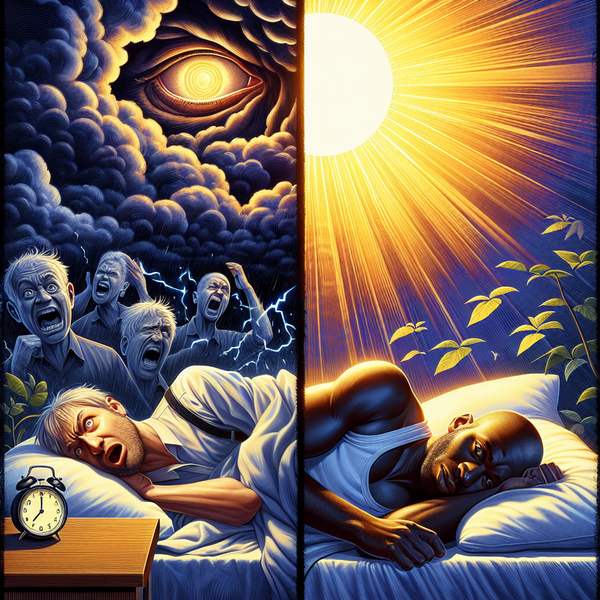
Light is more than what helps you see. It sets your body clock, nudges your brain to be alert or to unwind, and changes how colors and faces look. Your eyes send light signals to your brain all day. Cool bright light tells your brain to wake up. Warm dim light whispers that it is time to slow down. When this rhythm goes off, your mood can wobble too. That is why lighting for wellbeing matters in every home, not just fancy studios or offices.
At its core, light has four traits that shape mood:
1. Brightness controls alertness. Too dim and you feel sluggish. Too bright and you feel tense. The sweet spot shifts by task and time of day.
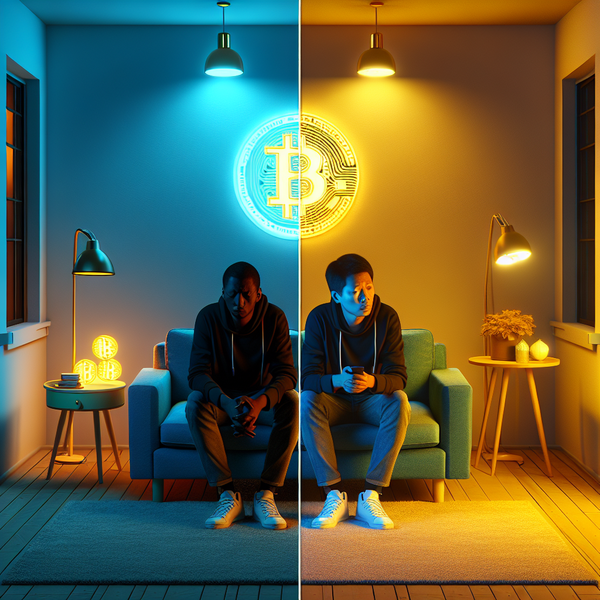
2. Color temperature is how warm or cool the light looks. Warm looks amber like candles. Cool looks crisp like a clear sky. Warm tends to relax. Cool tends to energize.
3. Direction and spread change depth and drama. Soft light from many sides flatters faces and calms the room. A single harsh light overhead can cause strain and glare.
4. Timing matters more than most think. Bright light early keeps your clock on track. Dim light late helps your brain make melatonin so you sleep better.
Keep these in mind as we explore home lighting tips and mood lighting ideas you can apply right away.
Lighting for wellbeing made simple
Color that guides your day
Your brain responds to the color of light even if you do not notice it. Cool light, often labeled 4000K to 6500K, nudges focus and speed. Warm light, often 2200K to 3000K, tells your nervous system to settle. If your home uses one color everywhere, your mood can fight your space. A fast fix is to match color to time and task.
Try this plan:
Morning to midday: use neutral to cool light in work zones and kitchens. It helps you feel alert and ready. This is a great time to open blinds and let in daylight too.
Late afternoon to night: shift to warm light in living rooms and bedrooms. Warm light supports rest and reduces late night scrolling or stress.
Story time: I once moved my desk near a window and swapped my desk bulb to a neutral white. My afternoon yawns eased in a week. No extra coffee needed. That is the power of better light.
Brightness that fits the job
Your eyes like range. One bright overhead is not enough. You need layers: task, ambient, and accent. This keeps glare low and comfort high. It also looks more stylish with almost no effort. Here is how to improve lighting with layers:
Ambient fills the room. Use a main ceiling light or a big floor lamp with a soft shade.
Task lights up detail work. Think desk lamps for reading, under cabinet strips for chopping, or a mirror light for makeup.
Accent adds mood. Use small lamps on a shelf, a picture light over art, or a light bar behind the TV to ease eye strain.
Use dimmers if you can. They stretch one light across many needs, and they are an easy win for lighting for wellbeing because they give you control at any hour.
Quality that feels natural
Not all bulbs are equal. Two simple terms help a lot:
CRI or color rendering index shows how true colors look under a light. A higher number, like 90+, makes food look rich, skin look healthy, and rooms feel more alive.
Flicker is tiny flashing that some lights have. You may not see it, but you can feel it. It can cause strain and headaches. Pick well rated LEDs that say low flicker or do well in reviews.
These do not cost a fortune. Many brands offer 90+ CRI bulbs for the price of lunch. This is one of the best low cost mood lighting ideas because it upgrades every scene without new fixtures.
Home lighting tips you can start using today
Fast plan for every room
Use this simple checklist to improve lighting fast. No toolbox needed for most steps, and you can finish many of them in one weekend.
1. Entry and hallway
- Aim for warm, welcoming light. Choose 2700K to 3000K bulbs.
- Add a small lamp on a console for soft evening glow.
- If the space feels flat, bounce light off walls with a shaded lamp to avoid glare.
2. Living room
- Layer three sources: a floor lamp, two table lamps, and the overhead on a dimmer.
- Place lights at different heights for depth and comfort.
- Try a backlight behind the TV to soften contrast. It reduces eye strain and looks cool.
3. Kitchen
- Use bright, neutral light for prep zones. Under cabinet strips are gold here.
- Keep the island on a dimmer so it can be bright for cooking and warm for late night snacks.
- If you have glossy counters, aim lights so they do not bounce glare right into your eyes.
4. Bedroom
- Skip harsh overheads at night. Use two warm bedside lamps for balance.
- Add a small motion light under the bed or near the floor for safe trips at night.
- Switch screens to warm night mode and keep lights dim the last hour before sleep. This supports lighting for wellbeing and better rest.
5. Bathroom
- Put light at face level on both sides of the mirror for even skin tone. Overhead only can cast shadows.
- Choose high CRI bulbs so makeup and shaving look true in daylight.
- Install a low night mode if possible. Warm low light helps sleepy eyes at 2 a.m.
6. Workspace or study
- Place your desk near a window if you can. Daylight plus a neutral desk lamp boosts focus.
- Aim your task lamp across the desk, not from behind your head. This reduces glare on screens and paper.
- Keep a soft background lamp on during video calls so your face looks even and you feel more at ease.
7. Dining area
- Use a pendant with a wide shade and a warm dimmable bulb.
- Set the bulb brightness so faces look soft and food looks rich. High CRI makes meals look great.
- Add a tiny accent like a candle style bulb on a shelf for extra charm.
8. Outdoor or balcony
- Warm string lights or step lights create safety and calm at night.
- Avoid blast flood lights unless you need them for tasks. Soft light welcomes, harsh light pushes you inside.
Ten minute upgrades that work
1. Swap one bulb per room to match the room goal. Warm for rest zones, neutral for focus zones. This small step can flip the vibe fast.
2. Move one lamp to bounce light off a wall instead of shining in your eyes. The room will feel bigger and softer.
3. Add one smart plug or dimmer to control evening levels. Ease into night mode with a tap instead of hunting switches.
4. Clean shades and fixtures. Dust steals brightness. A quick wipe can free up 10 to 20 percent more light.
5. Raise your curtain rod and pull curtains wide in the day. More daylight lifts energy without any bulb at all.
6. Hide bare bulbs behind a shade or diffuser. Direct glare stresses your eyes and mood, so soften it.
7. Add a warm backlight behind a headboard, shelf, or TV with a simple LED strip. It is one of the easiest mood lighting ideas with big payoff.
8. Set a schedule on smart bulbs if you have them. Cool in the morning, neutral in the afternoon, warm at night. Your future self will thank you.
Common mistakes and how to avoid them
Using one bright ceiling light for everything. Fix: add a floor lamp and a table lamp. Layered pools of light feel better and look better.
Mixing colors that fight. A cool lamp next to a very warm lamp can feel odd. Fix: pick a target color per room and match bulbs within 500K.
Overlooking CRI. Colors look dull, skin looks flat. Fix: choose CRI 90+ for living areas and baths when you can.
Forgetting daylight. Heavy curtains block energy. Fix: pull them wide, add a mirror to bounce light, and keep windows clean.
Placing lights at eye level with bare glare. Fix: use shades, frosted bulbs, or indirect placement so light washes a wall rather than your pupils.
Ignoring timing. Bright blue light late can delay sleep. Fix: dim and warm your space a full hour before bed.
A room by room mood map
Living room goal: social and calm. Use warm ambient light and flexible task lights. Add accent lights for art or plants.
Kitchen goal: clear and alert. Use bright neutral task light where you prep, and keep ambient light gentle for meals.
Bedroom goal: rest and comfort. Warm, low, and layered. No glare. Let your eyes slow down.
Office goal: focus with ease. Neutral desk light, daylight if possible, and a soft back lamp to balance the screen.
How to build a basic lighting kit on a budget
You do not need to swap every fixture. Start small and grow.
Starter kit
- Two warm 2700K LED bulbs, CRI 90+, dimmable
- Two neutral 3500K to 4000K LED bulbs, CRI 90+, dimmable
- One plug in dimmer or smart plug
- One LED light strip for backlighting
- One soft white lamp shade
How to use it
- Put warm bulbs in the bedroom lamps. Add the plug in dimmer there.
- Put neutral bulbs in the desk lamp and kitchen fixture.
- Use the LED strip behind the TV or a shelf to add depth at night.
- Swap colors as needed until each room matches its goal.
These small moves deliver fast wins and make your home feel more like you. They also form the base for more mood lighting ideas as your style grows.
Advanced but easy tweaks
Indirect light: point floor lamps at a wall or ceiling to create a soft bounce. This trick makes rooms look taller and more relaxed.
Zone control: group lights by use. For example, a kitchen can have a prep zone, a meal zone, and a late night snack zone. Each runs on its own level. This level of control is great for lighting for wellbeing because your space adapts to your needs.
Color play: keep most light neutral or warm, then add a small hint of color with a smart bulb or a gel over a lamp. A soft amber or blush can make evenings feel cozy. Keep color subtle so it supports mood, not distracts.
Scene presets: if you use smart bulbs, set scenes like Focus, Dinner, and Wind Down. Then it takes one tap to switch from work brain to relax brain.
Real life examples
The studio apartment: one room, one overhead, chaos. Fix: a tall arc floor lamp for ambient light, a desk lamp for tasks, and a small shelf lamp for night. Swap to warm bulbs after six in the evening. Result: the room feels like three zones, not one.
The busy kitchen: family needs bright light for homework and calm for dinner. Fix: under cabinet strips on a switch for tasks, pendants on dimmers for meals, and a warm lamp in a nearby nook for late night tea. Result: focus when needed, calm when wanted.
The tired office corner: dark wall, dim lamp, low energy. Fix: move the desk to face a window, add a neutral bulb desk lamp, and a backlight behind the monitor. Result: fewer yawns and clearer calls.
Quick reference: which bulb where
2700K warm: bedroom, living room, entry, dining
3000K warm white: bathroom vanity, dining, living room if you want a modern but cozy feel
3500K to 4000K neutral: kitchen, office, craft table
90+ CRI: bath, kitchen, living areas for true color
Dimmable: use wherever you can for flexible mood control
Wrapping up
Light can lift you up or wear you down. When you tune light to the task, time, and your taste, your space supports your day instead of fighting it. You have seen how lighting and mood connect, how to improve lighting fast, and how to use home lighting tips and mood lighting ideas to create better energy in every room. You do not need a remodel. You need a plan and a few smart swaps.
Pick one room. Swap one bulb. Add one lamp. Set one dimmer. Feel the shift tonight. Then keep building. Your future self, with deeper sleep and better focus, will be glad you started.