Minimalist lifestyle stories: why living with less could make you happier
Meta Description: Discover minimalist lifestyle stories that reveal the benefits of minimalism. See how living with less can boost happiness minimalism and help you build a declutter lifestyle with simple, real steps.
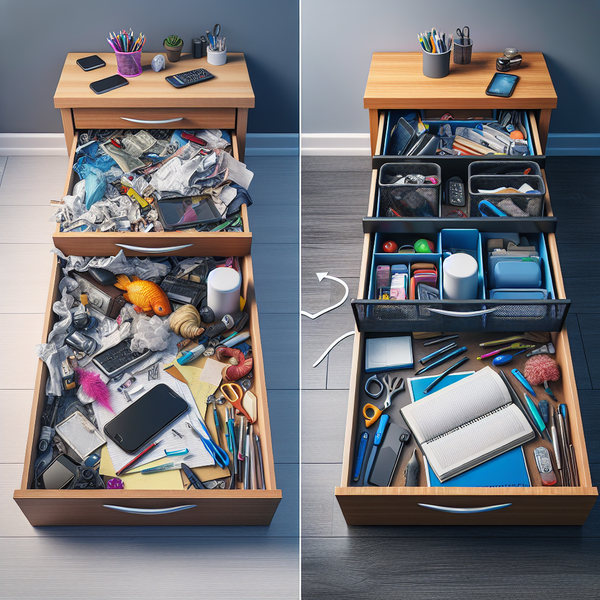
You know that moment when you look around and think, Where did all this stuff come from? It creeps in. Drawers that barely close. A closet that hides favorite clothes under piles of maybe someday. A bookshelf that looks more like a storage unit. Many of us hit that point and start daydreaming about living with less. Today we will dive into real minimalist lifestyle stories, the benefits of minimalism, and how happiness minimalism shows up in daily life. We will also break down easy ways to start a declutter lifestyle without turning your home into a showroom.
Benefits of minimalism at a glance: what less can make possible
Minimalism does not mean empty rooms or banning color. At its core, it is the practice of choosing what matters and letting go of the rest. Within the first few weeks, people often feel lighter, more focused, and more present. These are not just buzzwords. The benefits of minimalism show up in real, ordinary moments, like not losing your keys, finding the book you want on the first try, or finally enjoying a quiet Sunday morning without the chores shouting from every corner. These are the quiet wins that make living with less so powerful.
Let us start with a few everyday snapshots. They are not grand makeovers with dramatic before and after photos. They are simple scenes from people who wanted space to breathe, time to think, and room to enjoy what they already own.
Maya, a teacher with early mornings: Maya felt buried under lesson plans at work and laundry at home. She did one 20 minute sweep each night for a week. Out went the chipped mugs, the extra throw pillows, and a suitcase of tangled cords. The first Saturday after her mini reset, she made pancakes, played a podcast, and did not touch a single junk drawer. She said her shoulders relaxed without her thinking about it. That is happiness minimalism in action.
Leo and Sam, new parents: Their living room turned into a sea of baby gear. They drew a simple line: one toy bin in the living room and one in the nursery. The rest lived in a closet or went to a neighbor whose twins were on the way. With less underfoot, they could move freely, nap on the floor, and enjoy a full cup of coffee while the baby giggled. A small boundary created a big calm.
Anika, a freelance designer: She felt pressure to buy every new tool. Instead, she set a 30 day wait rule. By the end of the quarter, her spending dropped, her savings grew, and she noticed she was using her current tools more fully. Less buying made more making.
These minimalist lifestyle stories show a pattern. When stuff stops shouting, you hear your life again. That is the quiet but real draw of a declutter lifestyle.
Living with less in practice: three real angles that work
Minimalism is not one size fits all. Here are three focused angles that people use to build a simpler home and a calmer headspace. They overlap, but each has its own strength and its own benefits of minimalism.
Angle 1: Start with time, not stuff
Many people begin by tossing bags of clothes. That works for some. But a time first approach can be gentler and more effective long term. Track one week of your time. Where do you feel rushed or stuck? What chores are eating your evenings? Now make small cuts to free time before you cut possessions.
Ideas that work:
- Create a five minute launch zone by the door for keys, wallets, and the one bag you use daily. No more frantic hunts.
- Limit laundry days and match your wardrobe to that schedule. If you wash twice a week, you might not need 15 pairs of pants.
- Batch similar tasks. If mail piles stress you out, handle it every Tuesday and Friday at the same time. Keep a small recycle box right by the entry.
By focusing on time first, living with less becomes a support system for the week you want, not a style you force. The benefits of minimalism then look like evenings for walks, calls with friends, or a proper stretch before bed.
Angle 2: Edit by category, not by room
Room by room decluttering can just move items around. You empty the hallway only to watch that same clutter settle in the spare room. Editing by category shows you the full picture. Try one category each weekend: coats, gadgets, books, backup toiletries, mugs, linens.
Real story fuel:
- Erik counted 27 coffee mugs in a two person home. He cut to four favorites. Breakfast felt special again. Space cleared for a plant by the window. He called it the mini kitchen upgrade that cost nothing.
- June had three sets of mixing bowls. She kept the heavy glass set she used daily and donated the duplicate sets. Her small kitchen felt new. She noticed that her urge to scroll for more gadgets faded fast.
When you see the full count of a category, you start to choose quality and attachment over default keeping. This is where happiness minimalism often clicks. The mental load drops because there is less to manage, clean, and store.
Angle 3: Make money your minimalism coach
Numbers can clarify what your heart already knows. Attach tiny dollar notes to your decisions and you will feel a shift. Set a monthly Buy Less Challenge. Track every non essential purchase. Assign each item a job before it enters your home. If it has no job, it is not hired.
Examples:
- A friend switched to a 72 hour hold rule for online carts. By day two, most wants looked like noise. She saved enough in three months to fund a weekend away and a massage. The benefits of minimalism included time off and less stress, not just tidy shelves.
- An older couple sold camping gear they had not used in years. The cash went to a small porch upgrade and dinners with friends. Their stuff turned back into experiences.
Money based edits lead to a clearer declutter lifestyle: fewer impulse buys, more intention, and a growing emergency fund that lets you breathe easier.
What happy minimalists know that helps
Across hundreds of small stories, a few lessons repeat. These are not hard rules. They are friendly guardrails that make living with less sustainable and personal.
- Start in the easy middle. Do not begin with heirlooms or photos. Try linens, pantry overflow, or duplicate tools first. Quick wins build momentum.
- Use the One Shelf Test. Clear one shelf or surface and keep it clear for a week. Notice how you feel when you see it. That feeling is your compass.
- Set a container limit. One toy bin. One shelf for mugs. One drawer for tech cables. When the container is full, you edit.
- Name your season. A college studio, a growing family, a shared house, or a downsized condo each has different needs. Minimalism flexes with your season.
- Create a gentle exit plan. Keep a donation box by the door. When it fills, you drop it off. No guilt. No fuss.
When people follow these light rules, they report better sleep, more time outside, easier mornings, and a sense of visible progress. Those are the day to day benefits of minimalism you can feel without buying a single thing.
Five fresh minimalist lifestyle stories
Here are more snapshots to spark ideas. Names are changed for privacy, but the moments are real and common.
1) Rosa the nurse: Shift work meant strange hours and a tired brain. She simplified her wardrobe to two scrub sets she loved and a tiny capsule for days off. No more decision fatigue. She rolled all her off duty clothes into one drawer. Getting dressed took seconds and felt easy. With less laundry and fewer choices, she took two new classes on her days off and still had time to nap.
2) Duane the weekend guitarist: Gear crept into every corner. He set a three instrument rule and sold the rest. He kept the guitar that made him smile every time he played. Part of the cash funded lessons with a local teacher. Playing got better. Practicing felt less like guilt and more like joy. This is happiness minimalism: fewer objects, more music.
3) Aisha and her pantry: She used to shop for bulk deals that never quite got used. She tried a pantry pause for two weeks. She planned meals around what she had, made a list of true staples, and cleared expired items. The next month, her grocery bill dropped by 20 percent. Less food waste, less stress, and new recipes discovered in her own cabinets.
4) Nolan the tech lead: Working remote meant his desk became a catchall. He reset his space with a monitor riser, one notebook, and a pen cup. He added a small plant and a desk lamp he already owned. The clutter went into a labeled box in a closet. If he did not reach for it in 60 days, it would go. Focus returned, and his afternoon headaches faded.
5) Helen and her late life edit: Downsizing after 30 years in one house was heavy. She set a gentle pace. One drawer, one shelf, one short playlist at a time. She took photos of sentimental items, shared keepsakes with family, and kept only the pieces that made her smile. Her new place felt bright, not bare. She said the silence felt like a friend.
These minimalist lifestyle stories echo the same lesson: living with less gives back energy and attention. You spend less time maintaining and more time living.
Common traps and how to avoid them
Every path has bumps. Here are mistakes people make with minimalism and gentle ways around them.
- The all or nothing sprint. You empty a room in one weekend, feel amazing, then crash. Try a steady pace: 15 minutes a day or one small category per week.
- Buying organizers first. Pretty bins hide the problem and cost money. Edit before you contain. Then choose one container that sets a limit.
- Copying someone else. A home with kids, pets, hobbies, and guests will look different from a studio apartment. Honor your life. Keep what serves it.
- Getting stuck on sunk costs. Keeping a pricey mistake does not refund the money. Let it go and call it tuition for a lesson learned.
- Decluttering other peoples stuff. Lead by example. Keep your lane. If someone asks for help, share your approach gently.
Dodging these traps protects your momentum and your mood. It also keeps the benefits of minimalism grounded in real life.
Practical steps to start your declutter lifestyle this week
Here is a simple, flexible plan you can use right now. No marathon sessions. No strict rules. Just small wins stacked together.
Day 1: The 10 minute launch pad
- Clear a spot by the door for keys, wallet, and your main bag. Use a small tray or a bowl you already own. This tiny habit pays you back daily.
Day 2: The four mug edit
- Pick your top four mugs. Donate or box the rest. Enjoy seeing your favorites at the front. Feel how your kitchen breathes.
Day 3: Closet quick count
- Lay out pants or shirts by type. Keep what fits, feels good, and works with three other pieces. Box maybes for 30 days. If you do not miss them, let them go.
Day 4: Paper stop sign
- Set a small inbox for all paper. Twice a week, handle it in one go. Recycle, file, or act. No more piles on every flat surface.
Day 5: Digital sweep
- Delete 25 apps you do not use. Turn off non essential notifications. Create one home screen with your daily essentials. Digital living with less counts too.
Day 6: Food first plan
- Build next week dinners from what you already have. Make a short grocery list of true gaps. Taste the savings and the calm.
Day 7: Joy corner
- Create one small corner for a hobby or rest. A chair by a window with a lamp. A guitar on a stand. A sketch pad on a clean desk. This is the promise of happiness minimalism made visible.
You can repeat this seven day plan whenever you feel clutter creep back in. It is short, clear, and friendly to busy lives.
Advanced tweaks if you want to go deeper
Once your base is solid, you can layer on a few advanced moves. These serve people who want to fine tune their declutter lifestyle without going extreme.
- The one in, one out flow. When a new item enters, an old one exits. It keeps volume steady.
- The slow buy list. Keep a running list of wants. Revisit in 30 days. If an item still fits your life and budget, then it earns its place.
- The seasonal test. Each season, pick one area to edit. Winter coats in early fall. Beach gear in spring. Keep decisions in season and easier.
- The quality swap. Replace worn basics with durable alternatives. One lasting tool beats three flimsy ones.
- The open shelf rule. Keep one surface in each room clear. It is a daily reminder of calm.
These tweaks turn minimalism into maintenance and protect the benefits of minimalism you worked hard to build.
How living with less reduces stress in the brain
You do not need a lab coat to see it. Visual noise pulls at your attention. Every extra stack is a little task you are not doing. When you remove the background buzz, your mind gets a break. People report easier focus, calmer sleep, and fewer decision spirals. Less clutter means fewer choices, which means more energy for work, play, and connection. Happiness minimalism is not magic. It is the steady relief of fewer demands.
Minimalism and money: a practical partnership
Living with less can improve your money without strict budgets. Here is how that often unfolds in real life.
- You stop buying backups for backup items because you can find what you own. That saves real cash.
- You invest in repairs and maintenance for what you keep, so things last longer.
- You funnel declutter sales into a joy fund for trips, classes, or debt paydown. Motivation grows when you see quick wins.
These small shifts add up. A few hundred saved each month can change a year. A calm home helps you notice and enjoy those gains.
Minimalism for families and shared homes
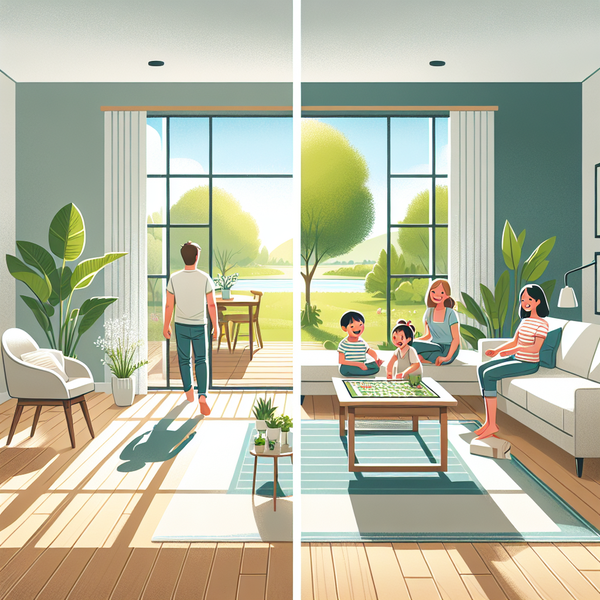
You can build a declutter lifestyle in a busy household. Start with spaces you own, like your desk, your side of the closet, or your hobby corner. Share your Why, not your rules. Invite others to pick one shared space to simplify together, like the entryway or the pantry. Celebrate small wins. Keep mess friendly storage at kid height. And remember, minimalism is not a contest. It is a set of choices that make daily life better.
Travel, hobbies, and the fear of missing out
A common worry is that minimalism steals spontaneity. The opposite tends to be true. When you travel with a lighter bag, you move easier and say yes more often. When you cut hobby clutter, you spend more time doing the hobby. Choose depth over breadth. A few good tools you know well beat a closet of half used kits. Your calendar can be minimalist too. One free afternoon beats four rushed appointments.
How to measure progress without counting items
Minimalism is not only about numbers. Try softer measures:
- How fast can you reset your living room after guests leave?
- Do mornings feel easier?
- Are you spending fewer weekends on chores?
- Can you find the thing you need in under 30 seconds?
- Do you feel less guilty about unused stuff?
If the answers move in a good direction, your minimalist lifestyle stories are already writing themselves.
Quick reference: five do this, not that tips
- Do this: Pick a small daily tidy window. Not that: Marathon weekend purges that exhaust you.
- Do this: Keep favorites front and center. Not that: Hide what you love at the back while storing maybes.
- Do this: Edit categories to see the truth. Not that: Shuffle items between rooms.
- Do this: Add joy corners. Not that: Chase a perfect aesthetic that ignores your life.
- Do this: Let money guide you with wait rules. Not that: Reward stress with impulse buys.
Conclusion: your next small step toward a calmer home
Living with less is not about living without. It is about living with intention. The benefits of minimalism are not abstract. They show up when you hit the light switch and see a calm room, when your bag is packed in two minutes, when dinner comes together from what you already have, and when you have the energy to call a friend. The real power of a declutter lifestyle is that it gives you back attention and time, the two things that make every day better.
You do not need to do it all. Pick one idea from the stories above and try it today. Clear the mug shelf. Make a launch pad. Count your shirts. In a week, you will feel the first ripple. In a month, you will start to trust your choices. That is happiness minimalism, and it is closer than you think.