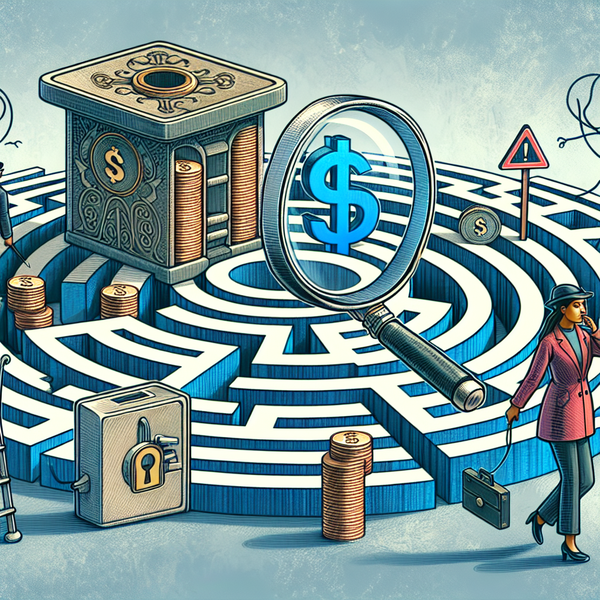

Investment app pitfalls: Why your investment app is making you a worse investor
You downloaded that slick investing tool, funded the account, and felt like a pro in five minutes. The charts move. Confetti pops. Your watchlist glows green. It feels great. But here is the twist. Many of the biggest investment app pitfalls are baked into the experience itself. These tools are designed to keep you engaged, not always to help you build wealth. That is why you see more trading and less planning. That is why honest traders share trading apps criticism and warn about overtrading risks.
In this guide, we will break down how small design choices nudge your behavior. You will see how commission-free trading effects changed the game, why behavioral biases investing can take over without you noticing, and how investment platform nudges can push you off course. Then we will get practical with steps to take back control.
Trading apps criticism and commission-free trading effects, explained
Before the rise of slick mobile platforms, investing felt slow and boring. You saved, you bought funds, you held them. Then came real-time quotes on your phone, free trades, social features, and a flood of market alerts. Overnight, investing turned into a game you can play anywhere. That shift is not neutral. It changes behavior in ways that cut into returns.
Here is the big picture: the average investor does worse than the market. A major reason is behavior. Buying after a run-up. Panic selling when prices dip. Jumping between hot ideas. Trading apps poured fuel on that fire. They stamped out friction with zero commissions, instant notifications, and eye catching animations. The result is more taps, more moves, and more mistakes. Many users now feel they must do something every day. Yet the best long term results often come from doing less.
Consider the core incentives. Platforms make more when you stay active. That could mean order flow, margin interest, or premium features. To keep you engaged, they lean on proven hooks. Bright colors. Streaks. Push alerts. Community buzz. Those choices are not evil. But they push your attention to the short term. That is where many losses happen.
Let us dive deeper into specific traps and how to escape them.
Behavioral biases investing and investment platform nudges in the real world
Behavior is the engine behind many losses. The market is already hard. Layer in design tricks and your brain takes shortcuts. You do not notice it at first. But over weeks and months, these small nudges build into a costly habit. Below are the big three traps that matter most.
1) Overtrading risks take off when friction vanishes
Once upon a time, placing a trade felt heavy. You had to call a broker or pay a stiff commission. That friction acted like a speed bump. You paused and thought. Commission-free trading effects smashed that speed bump to pieces. Now the path is smooth, fun, and instant. Your brain responds by doing more. Not better. Just more.
More trades mean more chances to be wrong. More taxes. More spread costs. More time spent glued to a screen. Many investors end up chasing small wins while taking big losses. The data is clear across many markets. High turnover tends to hurt net returns. The intensity of alerts and chart updates only adds to the urge to act. What started as a smart tool can turn into a lever that you pull all day.
Here is a common pattern. You buy a stock after a pop because your feed lights up with green arrows and hot takes. A few hours later, it dips. An alert pushes a red banner onto your lock screen. You sell in a panic. The stock rebounds the next day. Repeat this cycle enough and you underperform by a mile. That is the cost of overtrading risks, enabled by low friction and bright signals.
2) Short term performance theater and trading apps criticism
Many users raise trading apps criticism about the way performance is shown. Dramatic daily P and L cards. Fireworks on gains. Dark clouds on losses. That style pulls your focus from long term goals to short term drama. It tricks you into thinking today is all that matters.
Short term framing can spark fear or greed. Instead of asking, Does this position fit my plan, you ask, How do I get back to green by Friday. That frame leads to worse timing. It pushes you to dump laggards at the worst moment, and to pile into winners late in the run. This is how behavioral biases investing shows up on your screen in real time.
3) Investment platform nudges that look harmless but are not
Investment platform nudges are small prompts that steer choices without forcing them. Suggested lists. Popular tickers. Trending trades. One tap options. These features can get you to explore. They can also get you to copy the crowd at the exact wrong time.
Think about a list called Top Movers. It highlights names that are already up or down a lot. Clicking that list will expose you to volatile plays. You end up making fast decisions with little context. Or consider default order types that push you toward market orders. That can be costly in thin names. A small nudge, a small difference, and it compounds over time.
None of these nudges feel like pressure. That is the point. They do not force you. They simply tilt the table. If you do not see the tilt, you end up sliding in the direction the platform prefers: towards more taps and more action.
The hidden costs behind commission-free trading effects
Free trades look like a pure win. Costs did go down. But zero is not neutral. Free can push you to transact more. And there are other ways you still pay. Here are a few to keep on your radar:
- Spread and slippage: Even if the trade is free, you can still lose money between the quoted price and the fill price.
- Payment for order flow: Your orders may be routed in ways that are cheap for the platform but not ideal for price improvement.
- Margin interest: Easy access to margin can grow losses and rack up interest charges fast.
- Premium features: Subscriptions and data add-ons can eat into returns if they do not improve your process.
- Taxes: High turnover can trigger short term gains taxed at higher rates in many places.
When you add these up, zero commission is not the full story. It changes your behavior and can raise hidden costs in the background.
How behavioral biases investing shows up on your phone
Biases are shortcuts the brain uses to save energy. They work fine for daily life, but they can wreck a portfolio. Here are the usual suspects and how apps amplify them.
- Recency bias: You weigh the last move too much. Apps highlight fresh movers. That feeds a chase for heat.
- Loss aversion: Losses sting more than gains feel good. Red alerts and negative badges magnify the sting and push panic sells.
- Confirmation bias: You seek takes that agree with you. Social feeds and curated news can box you into echo chambers.
- Overconfidence: Easy wins early on can build a sense that you have a gift. Confetti, streaks, and badges can fuel that feeling.
- Herding: Trending lists make crowd behavior visible and tempting. That can lead to buying tops and selling bottoms.
Each bias gets stronger when feedback is constant. Daily P and L snapshots. Push alerts. Heat maps. The more you check, the more you feel. The more you feel, the more you trade.
Case study style example: how one week spirals
Monday morning: You see a hot stock on a trending list. It is up 9 percent. You buy. The app fires a congrats screen. You feel smart.
Tuesday: A choppy open drops your position 4 percent. A red alert pings you. You are urged to set a tight stop. You do. It triggers during a brief dip. You lock in a loss.
Wednesday: A big name influencer posts that the stock is a long term winner. You feel regret. You buy back in at a worse price.
Thursday: The company announces a mixed update. The stock whipsaws. You sell again near the low because your P and L card looks scary.
Friday: The stock rebounds on broader market strength. You feel exhausted and behind. You move to the next shiny idea.
Now zoom out. The business did not change much. Your plan did. Often. That is the harm. The app made action too easy. Overtrading risks turned small noise into big losses.
Signals that your app habits are hurting you
- You check P and L many times a day and feel strong emotions.
- Your holding period is weeks or days, though your goal is long term.
- You trade more after reading feeds than after reading reports.
- You buy the same names that trend on lists or social tabs.
- Your return lags a simple index fund by a wide margin over a year.
If two or more of those sound familiar, your platform experience may be shaping your choices more than your plan is.
Design red flags to watch for
- Confetti, sound effects, and animations tied to trades.
- One tap options trading with little context or education.
- Hard to find settings for limit orders or good till canceled orders.
- Default watchlists that push volatile names or weekly movers.
- Streaks or badges that reward activity instead of results.
These are classic investment platform nudges. They may be fun, but they rarely serve your long term goals.
Practical guardrails that work in real life
You do not need to delete your app. You need to take control of the experience. Try the steps below. They reduce noise, cut overtrading risks, and move your focus back to goals.
- Turn off non essential alerts
Kill price pings, hot list updates, and social notifications. Keep only alerts tied to your plan, like limit order fills or rebalancing reminders.
- Move long term money to a calmer platform
Use a separate account for long term funds with a quiet interface. Keep the fun, high touch app for a small sandbox if you must.
- Write a one page plan
Define your target mix, rules for buys and sells, and when you rebalance. Store it in your notes and read it before each trade.
- Batch your checks
Look at your account on a set schedule. For long term money, once a week is plenty. For shorter term trading, set two windows a day.
- Use limit orders by default
Market orders can fill at poor prices in fast moves. Add a small buffer and let the order work. You will feel calmer and get better fills.
- Cap your daily actions
Pick a max number of trades per day or week. This cuts impulse taps. Save a trade token for high conviction setups only.
- Track process, not just P and L
Log why you entered, your thesis, your risk, and your exit rules. Review monthly. Celebrate good decisions, not lucky wins.
- Automate the boring stuff
Use auto-invest for core funds. Rebalance on a schedule. Remove the chance to tinker when you are bored.
- Hide the shiny tabs
If the app lets you, change the home screen to show your plan or your pie chart. Make it dull on purpose.
- Set a cooling off rule
Before any new position, wait 24 hours. If the idea still stands after a night of sleep, proceed. If not, skip it.
Build a better setup with simple tools
Here is a lightweight stack that helps you stay sane without losing access to useful features:
- A quiet brokerage account for core holdings with a simple interface and strong automatic investing options.
- A watchlist app that lets you set wide, meaningful alerts based on levels tied to your plan, not every tiny tick.
- A notes tool for trade journals, checklists, and a one page plan. Keep it short and clear.
- A calendar reminder for monthly or quarterly reviews, rebalancing, and tax moves.
This setup strips away constant noise but keeps the core features that matter. It also walls off long term money from the thrill ride of daily swings.
What to do when you love the gamified stuff
Maybe you enjoy the rush. That is human. In that case, set a small fun budget. Treat it like entertainment. Keep it under 5 percent of your portfolio. Use your main account for boring, steady compounding. This split makes room for curiosity without risking your future.
Then improve your odds in the fun bucket. Use position sizing rules. Risk a small amount per idea. Scale in. Set stops in advance. Journal. That way you learn faster and limit damage when a hot story fades.
How to read social features without getting burned
Social tabs can surface ideas. They can also lure you into dangerous waters. Here is how to use them well:
- Look for process based posts, not hype. Seek details about risk, time frame, and thesis.
- Check the date. Old posts recycled as new can trap late buyers.
- Run a simple checklist before any action: Does this fit my plan, what is the downside, what will make me exit.
- Never chase a gap at the open because a feed told you it will moon. Let price settle first.
Social is a tool. It is not a plan. Make it serve your goals instead of shaping them.
Reframe success so the app does not set the rules
Your app rewards activity. You should reward discipline. Try these new scorecards:
- Did I follow my written rules this week.
- Did I skip bad setups even when I felt FOMO.
- Did I rebalance on schedule without second guessing.
- Did I keep costs and taxes low.
These are the marks that lead to better outcomes. They fight the pull of investment platform nudges and help you build real wealth.
Summary of key takeaways
- Many investment app pitfalls come from design choices that push frequent action.
- Commission-free trading effects reduce friction and fuel overtrading risks.
- Behavioral biases investing gets stronger with constant alerts and flashy P and L views.
- Investment platform nudges steer you without you noticing, often toward riskier choices.
- Simple guardrails, a clear plan, and fewer notifications can restore focus and improve results.
Conclusion: make the tool serve you, not the other way around
Your phone can be the best and worst thing to happen to your money. The same app that makes investing easy can also make bad habits easier. Once you see how commission-free trading effects, investment platform nudges, and behavioral biases investing work together, you can fight back.
Start by stripping out noise. Write a simple plan. Automate the boring but important moves. Keep a small sandbox if you crave action. And judge your success by discipline, not dopamine. Do that, and you will flip the script. Your app will stop making you a worse investor and start becoming the quiet helper it should be.
Meta Description: Why your investment app may be holding you back. Learn the top investment app pitfalls, trading apps criticism, overtrading risks, behavioral biases investing, and commission-free trading effects, plus steps to fix them.