
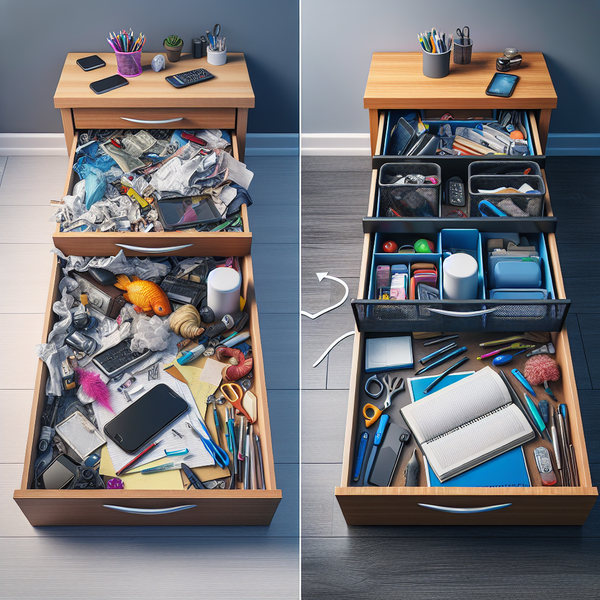
Declutter Challenge Results: One Drawer a Day for 30 Days
You know that one messy drawer that swallows scissors and spare keys? Now imagine giving that drawer five minutes of love every day, then moving to the next one tomorrow. That is the heart of a declutter challenge. This simple daily decluttering routine sneaks past the stress of big cleanouts and builds momentum you can feel. Over one month, those tiny wins stack up. You tap into smart organization hacks, notice real decluttering before after changes, and start to feel the calm that minimalist home tips promise.
In this guide, I will break down what actually happens when you clear one drawer every day for 30 days. You will see what to expect in week one, how motivation shifts around week two, and the surprising ripple effects by week four. You will also get practical steps, friendly tools, and a few mindset moves that help you keep going even when life throws curveballs.
Daily Decluttering That Actually Sticks
Think of daily decluttering as a micro habit. It is small enough to start now, and steady enough to change your space fast. When you declutter only one drawer each day, you remove decision fatigue. You stop asking where to begin. You start, finish, and feel done in minutes. That feeling is gold. Done creates momentum.
Here is the simple math. Thirty days equals roughly thirty drawers or small zones. You might tackle a nightstand, a kitchen junk drawer, the drawer under the sink, a vanity drawer, a craft bin, or a tool caddy. You are creating pockets of order in places you actually touch every day. That is why this method feels motivating. Every open-and-close moment is a mini reward.
Beyond the neatness, you will notice a shift in mood. When your home has less noise, your brain relaxes. The weight of nagging clutter drops. You stop wasting time hunting for batteries or lip balm. You buy fewer duplicates. You feel more in control, which often spreads into other habits like meal prep and budget planning. That is the sneaky power of a tight declutter challenge.
At first, you may doubt that a tiny step can matter. But by the end of week one you will see the start of a clear pattern. By the end of the month, the pattern will feel like a new lifestyle. The drawer a day plan is a bridge from chaos to calm without the drama of a full home overhaul.
Section 1: What You Will Notice in the First Week
Day 1 to 3: You start in an easy drawer. Toss pure trash. Rehome the obvious. Keep only what you use. You may feel a little spark because this win did not take long. You also learn how much clutter is just old packaging, dead pens, and expired coupons.
Day 4 to 7: You pick up speed. You see patterns across drawers. The same items travel from zone to zone. Cables, batteries, and travel size bottles tend to multiply. Create small homes for these categories now. A shallow tray, a recycled box top, or a zip pouch can do the job in seconds. This is where organization hacks start to shine: simple containers, clear labels, and a one home rule for each item type.
Quick wins you can bank:
- Free up 15 to 30 minutes you used to waste searching for stuff.
- Reduce visual noise around places you open often like the entry console and kitchen drawers.
- Lower stress and decision load at the start and end of the day.
Section 2: Weeks Two and Three, Where Momentum Builds
By week two, you will want a simple plan. Map out seven drawers for the next seven days. Keep them small. You are not emptying a garage here. You are harvesting wins.
Specific Aspect 1: Micro sorting beats marathon sorting
In a big cleanout, you pull everything out, get overwhelmed, and crash. In this plan, you sort one small container and you are done. Use these easy category rules:
- Keep items you use weekly or monthly.
- Donate items that are useful but not for you.
- Recycle packaging, dead batteries, and junk mail responsibly.
- Trash items that are broken beyond repair.
These clear choices keep you moving. They also cut the mental chatter that slows decluttering.
Specific Aspect 2: Light systems remove repeat messes
When you set a tiny rule for a tiny space, you prevent relapse. Some simple daily decluttering systems that work:
- One category per drawer where possible. For example, make a tech drawer for chargers and adapters only.
- Use dividers you already own like checkbook boxes, clean yogurt cups, and shoe box lids. Free and fast beats fancy.
- Label in plain words using masking tape and a marker. Later you can make pretty labels if you want.
- Set a reset habit at night. Two minutes to put items back in their lanes.
These are not rigid rules. They are guardrails. Think minimalist home tips without the pressure to be perfect. Simple beats complex every time.
Specific Aspect 3: Decision fatigue is real, so cap your effort
A 10 to 15 minute timer protects your energy. You end on a win, not a collapse. A timer also trains your brain that this is a quick task, not a whole day job. People often make two mistakes here:
- Over sorting one drawer for an hour. That drains motivation for tomorrow.
- Skipping reset and leaving a half sorted mess on the counter. That creates friction and dread.
Aim for clear, good enough results. You are building a habit, not entering a contest.
Section 3: Week Four, the Turning Point
By week four the changes are obvious. You open drawers and find what you need without thinking. Your counters look calmer because the drawers under them make sense. This is the moment for a few powerful checks.
- Clutter audit: Walk room by room and note drawers that still bug you. Add them to next week.
- Flow check: Does the home for an item match where you use it? Move it closer. Think scissors near gift wrap, coupons near the door, lip balm near the mirror.
- Duplicate filter: Keep your favorite two. Let go of the rest. You do not need six bottle openers.
Here is where decluttering before after moments really show. Before, you felt dread every time you opened certain hideaways. After, you feel a small spark of pride. Before, you lost time every week searching. After, you glide to what you need. The shift is not just visual. It is emotional and practical.
Organization Hacks and Minimalist Home Tips You Can Use Today
Ready to start or want to refine your method? Use these practical steps to make daily decluttering stick for good.
Set up your starter kit
- Small trash bag and recycling bag
- Donation box that lives near your exit door
- Timer on your phone set to 12 minutes
- Masking tape and a marker for quick labels
- Three or four small containers for instant sorting
Pick a 30 day path
- List 30 drawers or tiny zones. Keep it easy. Kitchen junk drawer, pen drawer, nightstand, coffee table drawer, bathroom vanity left, vanity right, and so on.
- Schedule a daily slot. Morning coffee, lunch break, or right after dinner.
- Choose a reward you enjoy on day seven, day fourteen, day twenty one, and day thirty. A favorite snack, a new plant, or time for a movie night.
Follow the 4 bin rule each session
- Keep: Use weekly or monthly.
- Relocate: Keep but in a better home.
- Donate: Still useful but not for you.
- Trash: Broken, expired, or mystery items with no value.
Lean on everyday organization hacks
- Use shallow trays so items do not drift.
- Corral small bits with zip pouches or mint tins.
- Stand items up instead of stacking when possible. Standing creates instant visibility.
- Label the front edge of drawers for a quick visual map.
Make it pretty only after it works
Function first, style second. Once a drawer is stable for a week, then upgrade containers if you like. Choose one color for bins to create a calm look. Repeat materials to avoid visual clutter. This is one of the most reliable minimalist home tips. Simple and consistent beats fancy and fussy.
Prevent clutter creep
- Adopt the one in, one out rule for duplicates.
- Do a 60 second reset at night in the two most used drawers.
- Keep a small donation box open at all times. When it fills, drop it off.
Track your decluttering before after story
- Take a quick photo before each session and a quick photo after. It keeps you honest and motivated.
- Note wins in a simple checklist. Seeing thirty check marks is a huge boost.
- Share a weekly update with a friend. Accountability helps on slow days.
Fix common snags fast
- No time today? Do a two minute trash only pass and call it done.
- Sentimental tug? Park it in a labeled memory box and keep moving. Review that box at the end of the month.
- Partner or roommate pushback? Declutter only your spaces first. Show results. Invite, do not nag.
Deep Dive: Room by Room Drawer Ideas
Kitchen: Designate a real junk drawer that is not a junk pit. Use dividers for tape, tools, and notepads. Keep utensils in a separate zone. Add a spare key hook inside the cabinet near the door. Daily decluttering here saves you from buying duplicates of gadgets you already own.
Bathroom: Sort by daily use. Keep dental, hair, and skincare in their own slots. Use small jars for hair ties and clippers. Toss expired products and samples you will never use. Your morning routine will run smoother right away.
Bedroom: Nightstand drawers are magnets for random stuff. Limit yourself to sleep related items only. Earplugs, lip balm, a light book, and a charger. Everything else gets a new home.
Office: Create a command drawer with pens that work, sticky notes, stamps, and checkbook. Use a cable drawer for tech. Label edges so anyone can put things back where they belong.
Entry: Give each person a slim drawer or caddy for masks, gloves, sunglasses, and spare change. Place a donate pouch near the door so it actually leaves the house.
These tiny setups embody minimalist home tips in action. They reduce friction where life happens most. They also feed your motivation. Every smooth drawer is proof that small actions add up.
Mindset Moves That Keep You Going
- Identity first: Tell yourself I am a person who resets small spaces. Identity drives behavior.
- Celebrate visible wins: Open the tidy drawer on purpose three times a day. Enjoy it.
- Lower the bar, raise the floor: If you feel stuck, make your task smaller. One divider, not the whole drawer.
- Use streaks: Track days in a row. Missed a day? Restart at one. Clean slates are powerful.
Over time, the habit anchors itself. You start to feel protective of your orderly spaces. You become a gatekeeper for what comes in. That is where daily decluttering graduates from a task to a lifestyle.
Realistic Timeline and What to Expect
Days 1 to 7: Fast wins. You clear trash and low hanging fruit. Mood lifts.
Days 8 to 14: Systems click. Labels and dividers reduce repeat messes. You notice fewer supply runs because you can find what you own.
Days 15 to 21: You hit one or two tricky drawers. You learn to park hard items in a review box so you keep momentum.
Days 22 to 30: Drawers feel stable. Your confidence grows. You start to plan a new round for closets, cabinets, or digital files.
By the end, the decluttering before after contrast is plain. Your home did not just get cleaner. It got easier to live in. That is the best metric there is.
Common Mistakes to Dodge
- Buying containers before you measure or sort. Use what you have first.
- Decluttering in random order every day. Pick a path and stick to it.
- Letting guilt items camp out. If it does not serve you, release it to someone who will use it.
- Expecting perfection. Aim for better, not perfect. Progress beats polish.
Simple Upgrades When You Are Ready
- Switch to clear bins in deep drawers so you can see contents at a glance.
- Add soft close drawer liners to keep items from sliding.
- Use color coding lightly. One color per category in an office drawer can be helpful.
Conclusion: Small Drawers, Big Life Upgrade
Decluttering one drawer a day for a month sounds almost too easy. But easy is the point. When a task is small, you will show up. When you show up, results stack. This declutter challenge removes stress, saves time, and makes your space work for you. Through daily decluttering, you build simple systems, gather real wins, and see clear decluttering before after proof that fuels your next round.
If you are ready to start, pick one drawer right now. Set a 12 minute timer. Sort fast, label once, and close it feeling proud. Tomorrow, repeat. In 30 days, your home will feel lighter, your head will feel clearer, and your future self will be grateful you began.