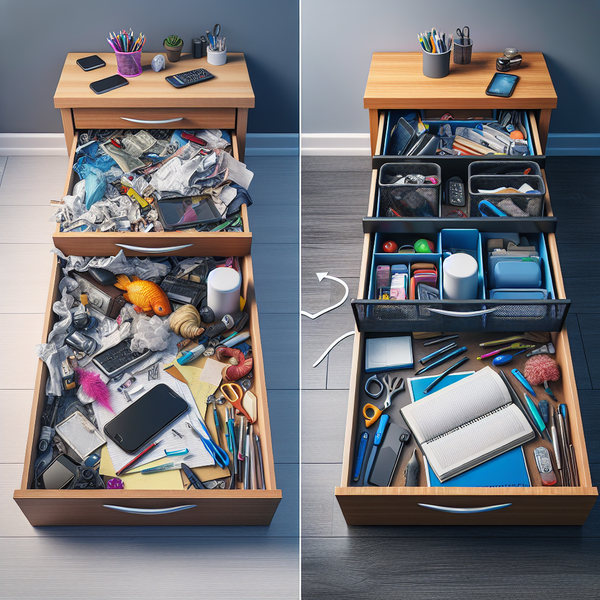

Morning routine creativity unlocked in 10 minutes
Ten minutes. That is all you need to spark fresh ideas before your day gets loud. If you have ever wondered how to shape morning routine creativity without an hour of meditation or messy hacks, this guide is for you. We will walk through a simple practice that fits any schedule. It centers on 10-minute rituals, creative morning habits, and small moves that boost creativity in a calm, steady way.
Here is the best part. You do not need fancy tools. You will use your breath, your body, and one tight prompt. We will cover why short daily rituals work, how to stack a tiny sequence that flips your brain into idea mode, and how to tweak it for your life. By the end, you will have a clear plan you can try tomorrow morning with zero stress.
Why 10-minute rituals beat willpower for creative morning habits
Many people treat creativity like a storm. Wait for it. Hope for it. Try to catch it when it passes by. That can work once in a while. But a better way is to guide it with a repeatable pattern. Short daily rituals do exactly that. They cut down choices, calm your system, and nudge your mind into a state that invites ideas.
After you wake, your brain is in a soft, flexible zone. You have not yet picked up a hundred tabs of news and messages. Your attention is lighter. That window is perfect for creative morning habits. With a tiny structure, you can slide into a flow state far faster than later in the day. This is why 10-minute rituals punch above their weight. They remove friction. They hand you an easy win. And they build a rhythm that grows stronger every morning you repeat it.
There is also a sneaky benefit. A small ritual lowers pressure. When the goal is only ten minutes, your mind is more willing to start. That first step is where most of us stall. Once you begin, momentum does the rest. It is the same reason a single push gets a bike rolling. You do not need to sprint. A gentle shove is enough to boost creativity and keep pedaling.
Key idea: Creativity is a state, not an accident. Shape the state, and ideas follow. Morning routine creativity works because you stack cues that lead your brain there on command.
Before we dive in, a note on expectations. This practice will not give you a perfect script every time. It will give you more interesting starts more often. It will reduce blank page fear. It will train your mind to show up. Over weeks, those gains compound. Tiny seeds, big trees.
A daily ritual to boost creativity in one tight block
Here is the heart of the method. Five micro steps. Ten minutes. You can do it at your desk, at your kitchen table, or on a patio with a mug of tea. You can adapt the steps to your style. Keep the flow and timing, and you will feel the shift.
Micro Step 1: Reset with one sensory cue and light movement
Purpose: Wake up your body without flooding your brain. A cool or warm sensation plus gentle motion tells your system it is safe and ready.
How to do it:
- Take three slow sips of cool water or warm tea. Focus on the temperature.
- Stand and roll your shoulders for 20 seconds. Then do 30 seconds of easy marching in place. Keep it light.
- End with a single deep breath in, long breath out.
Why this works: Simple movement boosts blood flow just enough to lift attention. The sensory cue anchors you in the present. Together, they lower noise and prime focus. This opens the gate for morning routine creativity without a jolt.
Anecdote: A freelance designer I worked with used to jump straight into email. Her head filled with tiny fires. We swapped that for 60 seconds of shoulder rolls and a warm mug hold. The difference was instant. Her early sketches got bolder, and she stopped doom scrolling by 8 a.m.
Micro Step 2: Prompt priming on paper or voice memo
Purpose: Aim your attention with one clear question so ideas have a track to run on. No vague wandering.
How to do it:
- Open a notebook or a blank note. Set a 2 minute timer.
- Use a single prompt. Example prompts you can rotate:
- What is one fresh twist I can try on my current project?
- What would this look like if it were fun and simple?
- What is a tiny story from yesterday that I can turn into something?
- Write short, messy lines. Do not edit. Stop when the timer ends.
Why this works: A good prompt narrows the field. It gives your brain a target and reduces decision fatigue. Two minutes is long enough to warm up and short enough to avoid overthinking.
Micro Step 3: Idea sprint with a tight constraint
Purpose: Generate without judgment. Constraints are a secret lever. They lower the fear of big choices and boost creativity by setting a clear box to play inside.
How to do it:
- Set a 5 minute timer.
- Pick one constraint and stick to it. Try one of these:
- Only verbs. List ten verbs that fit your project mood.
- Three boxes. Fill three quick sketches or bullet blocks.
- One theme, three angles. Write three tiny takes on the same idea.
- Keep your hand moving. Aim for quantity, not polish.
Why this works: The brain loves rules because they reduce the load. You move faster and hit more sparks. The five minute cap keeps energy tight and prevents overwork.
Micro Step 4: One micro output or share
Purpose: Turn ideas into a small result. Finishing something tiny trains your mind to close loops. That builds confidence and repeats the cycle tomorrow.
How to do it:
- Pick one idea from your sprint. Make a tiny thing from it in two minutes:
- Draft a single paragraph for a blog.
- Sketch a thumbnail for a poster.
- Record a 20 second voice note you might post later.
- If you have a friend or a quiet online space, share the tiny thing. If not, place it in a Done folder. Seeing progress matters.
Micro Step 5: Quick recap and next cue
Purpose: Lock in the gain and prepare tomorrow’s path. Your future self should not have to think.
- Write one sentence: Today I found that X worked, next time I will try Y.
- Place your notebook and pen where you will see them first thing.
- Pick tomorrow’s prompt now. One line, ready to go.
The full flow in numbers: 1 minute reset, 2 minute prompt, 5 minute sprint, 2 minute micro output. That is your ten. Consistent, compact, and powerful.
Common mistakes to avoid:
- Phone first. Opening messages before you finish the ritual floods your focus. Park the phone facedown.
- Too many choices. New app, new notebook, new system each day. Keep tools boring.
- Chasing perfect. The goal is a spark, not a masterpiece. Many small wins beat one rare mega win.
Expert style insight in plain words: Brains follow cues. When you repeat simple cues, the response gets faster. Your daily rituals become a switch you can flip. Over time, the switch feels automatic. That is the real magic of creative morning habits.
Variations for different roles:
- Writers: swap the sketch block for a 5 sentence story pass.
- Designers: replace the prompt with a quick mood board swipe using only three colors.
- Coders: run a tiny spike. Write pseudocode for one function only, or outline tests first.
- Teachers or managers: draft a 3 line agenda that makes one meeting 20 percent shorter.
Real world story: A startup marketer tried this routine for two weeks. She did it at 7:20 a.m. after feeding her dog. By day six, she had a bank of 14 hooks, three micro visuals, and a tight landing page outline. She said the biggest win was the calm. She no longer sat in front of a blank page with tense shoulders.
Practical tips to make the ritual stick
Consistency beats intensity. Use these simple tactics to build daily rituals that last and that boost creativity without strain.
- Prepare at night: Place your notebook, pen, and water glass in one tidy spot. Friction kills habits.
- Choose a non negotiable time: Tie the ritual to a trigger like after brushing teeth or after feeding the cat. When X happens, I do the ten minute block.
- Set a hard stop: When the timer ends, stop. Leaving ideas on the table sounds odd, but it builds hunger for tomorrow. That is fuel.
- Keep a single prompt list: Start with five prompts you love. Rotate them so you do not waste time searching.
- Use one small constraint per week: Verb list week, three boxes week, three angles week. Too much variety can stall progress.
- Track with a visual streak: Make a tiny grid on a sticky note. Fill a square each day you complete the block. Visible streaks drive action.
- Protect the zone: Earplugs, soft instrumental music, or a white noise app can help. The goal is a bubble, not silence.
- Take it outside once a week: Fresh air changes your inputs. Do the same ten minutes on a balcony or bench. New context, new sparks.
- Respect your body: If you have pain or limits, keep the movement gentle. Chair stretches work fine.
- Use a reset phrase: A short sentence like Start small, have fun can cue the state. Say it as you begin.
Prompts you can use all month
- What is the simplest version of my idea that would still delight someone?
- How would I explain this to a friend who has two minutes?
- What if I subtract one element? What becomes clearer?
- If I had to make this playful, what would I change first?
- What could I do in 24 hours that moves this project forward?
- What pattern do I keep using that I could flip upside down today?
Quick constraints that keep energy high
- One page, three paragraphs max.
- Only black pen, no erasing.
- Three colors, no gradients.
- Five lines of code or pseudocode only.
- One noun, one verb, one image.
Troubleshooting guide
- If you feel sleepy: Add 30 seconds of brisk movement or splash cool water on your face before the reset step.
- If you feel scattered: Shorten the prompt to one word. Example: Contrast. Then riff on it.
- If you feel stuck: Switch the medium for a day. Draw if you write. Speak if you draw. Novelty shakes loose ideas.
- If mornings are chaotic: Run the same ten minute block right after lunch. Morning routine creativity is ideal, but mid day can work too.
How to blend this with your current morning routine
You may already have coffee, a short walk, or a few minutes of reading. Keep those. Place the creative block right after the first thing you know you will do. This is called habit stacking. Your brain uses the first action as a cue for the next. If you brew coffee every day, your trigger can be: pour coffee, do the ten minute block, then check messages.
Why this feels good over time
Humans like finishing loops. When you start your day by finishing one small creative loop, you raise your sense of control. That feeling lasts. It spills into other tasks. Many people say they make faster decisions and handle surprises better after two weeks. You build a secret reserve. That is a big win from a tiny daily investment.
How this plays with bigger projects
Use the ritual to explore, not to finish large chunks. Think of it as your idea gym. Strength first, heavy lifts later. Big projects can live in your main work block. The ten minute ritual feeds them with fresh angles and small tests. It keeps the work alive so it does not turn stale.
What to expect in week one, two, and four
- Week 1: You are learning the flow. Some days will feel odd. That is normal. Stay with the sequence.
- Week 2: You start to look forward to the block. You see clear gains, like better starts and less dread.
- Week 4: The ritual feels automatic. Ideas show up faster. You have a stack of micro outputs ready to expand.
Advanced add ons, if you have time
- Two minute walk before the reset: A quick loop around the block adds oxygen and new stimuli.
- Soundtrack rule: Use the same song to start the sprint each day for one month. Pavlov for creativity.
- Theme weeks: Pick a theme like texture, contrast, or rhythm. Aim all prompts at that theme for five days.
A note on tools
Use what is at hand. Paper always works. Notes app works. If you draw, index cards are great. If you code, a simple editor window is perfect. Keep it low friction. Fancy tools can become delay tactics. Your goal is small beginnings, repeated often.
Health and energy check
Sleep and hydration matter. If you are tired or dehydrated, ideas struggle. Try a fixed bedtime, dim screens before bed, and a glass of water at wake up. These simple basics make your 10-minute rituals twice as effective.
For teams and classrooms
This routine also works in groups. Try a stand up spin: one minute reset together, one shared prompt, three minute sprint, round robin share of one line each. It builds trust, speeds up thinking, and keeps meetings light. In ten minutes, a group can surface ten to twenty ideas worth testing.
When life gets messy
You will miss days. That is fine. Do not chase streaks so hard that you quit after a break. Use this rule: never miss twice. In practice, this means if Tuesday went off the rails, you do a half ritual Wednesday. Five minutes still counts and keeps the habit alive.
Bringing it all together
Morning routine creativity thrives on simple moves that repeat. Your brain learns the pattern. Your body learns the pace. Over time, you do not need to think about starting. You just start. These creative morning habits are not about being perfect. They are about showing up, making a tiny thing, and building a stack of sparks. From there, the rest of your day gets easier.
Conclusion: your 10 minute spark, every day
If a blank page has ever stared you down, give this ritual one week. The sequence is simple: reset, prompt, sprint, micro output, recap. Ten minutes is short enough to fit any life yet strong enough to boost creativity in a real way. You will generate more starts, feel calmer, and make steady progress on the work that matters.
Set up your tools tonight. Pick tomorrow’s prompt. When you wake, step into your 10-minute rituals before the world pulls at you. In a month, you will look back at a pile of small products and a mind that switches into idea mode on cue. That is the power of daily rituals done well. Start small. Repeat often. Watch what grows.