
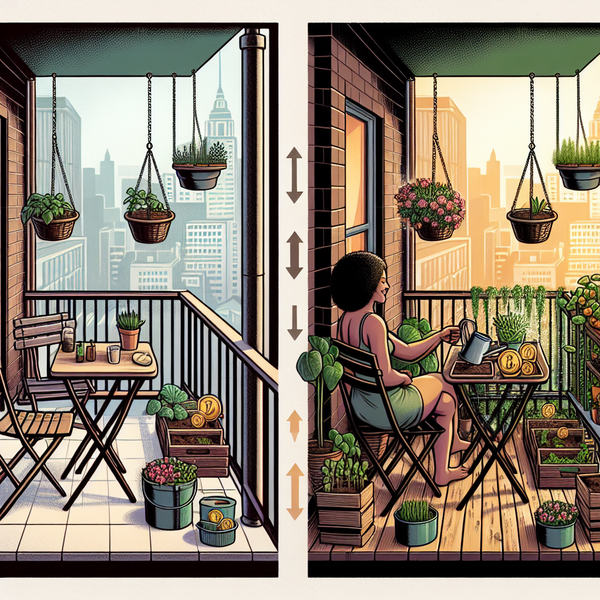
Balcony Garden Ideas That Deliver Surprising Benefits
Picture this. You step outside with a cup of tea and brush your hand across a pot of mint. The scent lifts your mood in an instant. A tiny space can do that. With smart balcony garden ideas and small space gardening tricks, that little slice of sky can become your favorite room. This guide unpacks urban gardening benefits, easy container gardening setups, and balcony plants that thrive. You will see how to plan, plant, and keep it low stress so your balcony feels like a mini retreat.
Small Space Gardening Overview: How Little Areas Grow Big Joy
Most of us do not have a backyard. No problem. A balcony can host a lush mini world with the right plan. Small space gardening is about making every inch work. Vertical rails, walls, and corners are fair game. The goal is not perfection. It is steady, simple steps that turn a bare ledge into a place you love.
Why care? The urban gardening benefits are real. Plants can soften harsh views, filter dust, and invite helpful insects. You can step out and snip basil or cherry tomatoes for dinner. A few pots can cut trips to the store and freshen your meals. Plus, caring for greenery is a calm, hands-on break from screens.
Balcony garden ideas fall into a few buckets. Design for light and wind. Pick the right containers. Choose balcony plants that match your microclimate. Layer scents, textures, and colors. Mix edibles with ornamentals. When you combine those pieces, even a narrow balcony can feel generous.
One important note before you start. Check weight limits and building rules. Wet soil is heavy. Choose lightweight containers and potting mix when needed, and spread weight along walls or over support beams. Safety first, then style.
Container Gardening and Balcony Plants That Thrive in the City
Aspect 1: Urban gardening benefits you can feel day to day
Let us talk about the feel-good side first. People who grow even a few herbs report less stress. You water, prune, and watch growth. It slows your breathing. It gives a tiny sense of control when the city buzz runs high. That mental reset is one of the top urban gardening benefits.
There are practical wins too. Plants can buffer noise a touch. A dense row of pots acts like a soft barrier. Large leaves catch dust and pollen that might otherwise drift into your home. Heat can be less harsh as foliage shades dark surfaces. On summer evenings, transpiration cools the air around your seating area.
Food wise, container gardening puts fresh flavor within arm reach. A pot of thyme or a compact pepper plant does not need much. A trough of salad greens gives you a cut-and-come-again supply. Even a single dwarf tomato in a 10 to 12 inch pot can produce more fruit than you expect. These balcony plants pay rent in taste.
Community and connection grow too. You may swap seedlings with a neighbor or compare bloom times. Birds and pollinators show up. That tiny balcony becomes a link in a larger urban web. It is a small act with spillover benefits you cannot always predict, which is why so many people fall in love with small space gardening.
Aspect 2: Design moves that make container gardening look and feel cohesive
Great balconies do not happen by accident. A few design moves make all the difference.
Start with a simple theme. Pick one look and repeat it. It could be terracotta with soft Mediterranean herbs. Or matte black containers with glossy green foliage. Too many styles can feel messy in small spaces. A tight palette makes it calm.
Use levels and layers. Elevate some pots on benches or plant stands. Hang planters at eye level. Clip rail boxes outside the railing if rules allow. Stagger heights so foliage overlaps. This creates depth without crowding. It also frees floor space for your chair and small table.
Plan for wind. High floors can be breezy. Choose weighted planters or add stones at the bottom for stability. Tuck larger containers near corners and walls. Go for sturdy balcony plants with flexible stems, like rosemary, chives, or compact grasses. Use soft ties to secure trellises.
Match light to plant needs. Track sun for a few days. Full sun means 6 or more hours. Part sun is 3 to 5 hours. Shade is less than 3. Many great balcony plants thrive in part sun, like lettuce, parsley, nasturtiums, and compact hydrangeas. If you have full sun, go bold with peppers, cherry tomatoes, lavender, and dwarf citrus. For shade, lean on ferns, pothos, begonias, and mint.
Choose the right pot and mix. Container gardening works best with pots that have drainage holes. Use a high quality potting mix, not garden soil. Mix in perlite or pine bark for airflow. Add a slow release fertilizer at planting time. This keeps care simple and steady.
Water smart. Group thirstier plants together. Place cacti and succulents in their own zone. Wick watering or self watering planters are helpers when life gets busy. A simple drip line with a timer can also be a game changer for larger setups.
Aspect 3: Picking balcony plants for your microclimate and lifestyle
Choosing plants is the fun part. Focus on winners for your light, wind, and time.
Edibles that fit small space gardening
- Herbs: basil, thyme, chives, mint, oregano, and sage do well in containers.
- Salad greens: arugula, lettuce mixes, and spinach grow fast in shallow troughs.
- Compact fruits and veggies: cherry tomatoes, patio peppers, bush beans, and dwarf strawberries.
- Root crops: radishes and baby carrots in deep pots with loose mix.
Ornamentals that love balcony life
- Sun lovers: geraniums, marigolds, zinnias, and lavender bring color and pollinators.
- Shade stars: begonias, ferns, caladiums, and impatiens keep low light corners lush.
- Evergreens for structure: dwarf boxwood, rosemary, and compact ornamental grasses.
- Vines for privacy: star jasmine, sweet pea, or compact clematis on a slim trellis.
A quick word on scale. A dwarf lemon tree looks adorable, but it needs a big pot and regular feeding. If you want low lift, stick with herbs and a few flowering annuals. If you love to fuss, try a tiny citrus and a tomato, but be ready with a consistent water plan.
Common mistakes to avoid
- Potting mix packed too tight. Plants need air at the root zone. Keep it light and fluffy.
- Overwatering. Check moisture with a finger test. Water when the top inch is dry for most plants.
- Ignoring wind. Secure tall planters and choose flexible stems for high floors.
- Mismatched light. Shade plants in harsh sun will sulk. Sun plants in shade will stretch and weaken.
- Skipping feeding. Container gardening leaches nutrients with each watering. Use slow release or a gentle liquid feed every few weeks.
Budget and sustainability tips
- Reuse food safe buckets or rescue pots from friends and thrift stores.
- Line heavy ceramic pots with a plastic inner pot to save weight and water.
- Collect rainwater if your building allows a small can on the balcony.
- Make a tiny worm bin or use kitchen scrap compost tabs to nourish the soil.
- Select native or climate adapted balcony plants to save water and support local insects.
How to set up your balcony garden in one weekend
Here is a simple plan to get results fast without overwhelm.
Day 1 morning: Scout and measure
- Measure length, depth, and any tight spots around doors and furniture.
- Note where the sun hits each hour from morning to late afternoon.
- Check wind patterns and any roof overhangs that limit rain.
- Confirm building rules and weight limits to guide container choices.
Day 1 afternoon: Build your layout
- Pick a theme. For example, herb kitchen garden plus a color accent like coral and white.
- Sketch zones: one corner for a chair, one wall for vertical planters, one rail for boxes.
- Choose containers. Mix two sizes and one color for a tidy, repeat look.
- Plan water. Add saucers or a self watering insert to your largest pot.
Day 2 morning: Shop smart
- Buy a light potting mix with perlite for container gardening.
- Grab slow release fertilizer, a watering can, and soft plant ties.
- Pick balcony plants fit for your light: herbs, one or two edibles, and a couple of easy bloomers.
- Optionally, get a slim trellis and two rail boxes for small space gardening impact.
Day 2 afternoon: Plant and place
- Pre moisten potting mix so it is damp but not soggy.
- Fill containers two thirds full, set plants at the same depth they grew in their nursery pots, and backfill.
- Top dress with a thin layer of fine bark or decorative stones to reduce splash and weeds.
- Water well until a bit drains out of the bottom. Add saucers as needed.
- Place tall pieces at the back or corners, medium in the middle, and small near the front.
Care routine that sticks
- Water in the morning so leaves dry by evening. Check with the finger test.
- Feed lightly every 3 to 4 weeks, or rely on slow release pellets per label.
- Prune and harvest often. This keeps herbs bushy and flowers blooming.
- Rotate containers a quarter turn weekly for even growth.
- Watch for pests. Remove by hand or use a gentle soap spray if needed.
Real world balcony garden ideas for tricky setups
If you have deep shade: Focus on texture. Mix ferns with glossy philodendron in hanging baskets. Add white or pale flowers like impatiens to brighten. Use a mirror panel on a side wall to bounce light, as long as it is safe and secure.
If you have blazing sun: Choose heat lovers. Lavender, rosemary, peppers, and dwarf zinnias handle it. Use larger containers that hold moisture longer. Add a light mulch like straw or fine bark. Consider a breathable shade cloth during heat waves.
If your balcony is windy: Avoid top heavy pots. Pick squat containers and secure trellises with soft ties. Grow flexible balcony plants like grasses, thyme, and nasturtiums. Tuck a row of sturdier evergreens as a wind buffer.
If water access is tough: Go for drought friendly container gardening. Succulents, sedum, and Mediterranean herbs need less frequent water. Self watering pots or a small reservoir tray can stretch time between refills.
If privacy is the goal: Use vertical elements. A slim cedar screen with climbing jasmine softens sightlines. Mix in bamboo look grasses in long troughs. Rail boxes with trailing plants blur edges in a gentle way.
Mixing beauty and bounty
You do not have to choose between pretty and practical. Blend edible and ornamental balcony plants for a layered look.
- Pair a dwarf tomato with marigolds. The flowers deter some pests and add color.
- Underplant a citrus with thyme and oregano to fill bare soil and scent the air.
- Let nasturtiums trail from a rail box. The leaves and flowers are edible and peppery.
- Pop in pansies around kale for a fresh mix of textures and hues.
Container gardening shines when you tuck in companions like these. You get harvests and a balcony that looks polished all season.
Year round small space gardening plan
With a bit of planning, your balcony can stay lively through the year.
- Spring: Plant cool season greens and herbs. Add pansies or snapdragons. Refresh potting mix in older containers.
- Summer: Swap in heat lovers. Keep up with water and mulch. Deadhead spent blooms for more flowers.
- Fall: Plant kale, chard, and mums. Add bulbs to deep pots for a surprise next spring.
- Winter: Focus on structure. Evergreens, twigs, and LED string lights create a cozy mood. Protect pots from freeze by clustering near walls.
This rotation keeps the view fresh and lets you enjoy the ongoing urban gardening benefits without a long winter lull.
Quick troubleshooting
- Yellow leaves: Often overwater or low nutrients. Ease up on water. Add a balanced feed.
- Leggy growth: Likely low light. Move to a brighter spot or choose shade tolerant balcony plants.
- Wilting at midday: Heat stress. Add mulch, water in the morning, and consider afternoon shade.
- No flowers or fruit: Not enough sun or too much nitrogen. Adjust placement and feeding.
Cost breakdown ideas
A great balcony does not need a big budget. Try these low cost balcony garden ideas.
- Start plants from seed for herbs and greens. Direct sow in troughs for a quick win.
- Split multi packs of annuals with a neighbor to diversify at half the cost.
- Use coco coir bricks as a lightweight base mixed with compost for a quality potting blend.
- Make plant stands from stacked crates or cinder blocks with a board on top.
Why this works so well in city life
Small space gardening fits busy schedules. You can water and prune in ten minutes. You get instant feedback from growth and bloom. You can taste your work in a salad or a sprig of mint in your tea. Those micro moments add up. This is the heart of urban gardening benefits. They are small, steady boosts that lift daily life.
Plus, container gardening is flexible. Moving day or a season shift does not mean starting over. Slide a pot to a brighter spot. Swap a tired annual for a fresh bloom. Try a new herb. Your balcony stays dynamic and personal to you.
When you choose resilient balcony plants and keep care simple, your tiny garden becomes a habit you enjoy, not a chore you dodge.
Action plan: turn your balcony into a tiny garden this week
- Pick a theme and measure your space.
- Choose 3 to 5 containers in two sizes with drainage.
- Buy potting mix, slow release fertilizer, and a watering can.
- Select 2 herbs, 1 edible crop, and 2 easy flowers suited to your light.
- Plant, water, and set a simple care routine with a weekly five minute check.
That is it. Start simple. Build from there. You will learn what your balcony loves. You will learn what you love too.
Wrap up
Turning a balcony into a garden is not about square footage. It is about intention and a few smart moves. With clear balcony garden ideas, smart container gardening choices, and the right mix of balcony plants, you get a fresh view, fresh food, and a calmer mind. The urban gardening benefits touch your routines in surprising ways. Step outside, start small, and let your tiny garden grow on you. The best time to plant is now.