
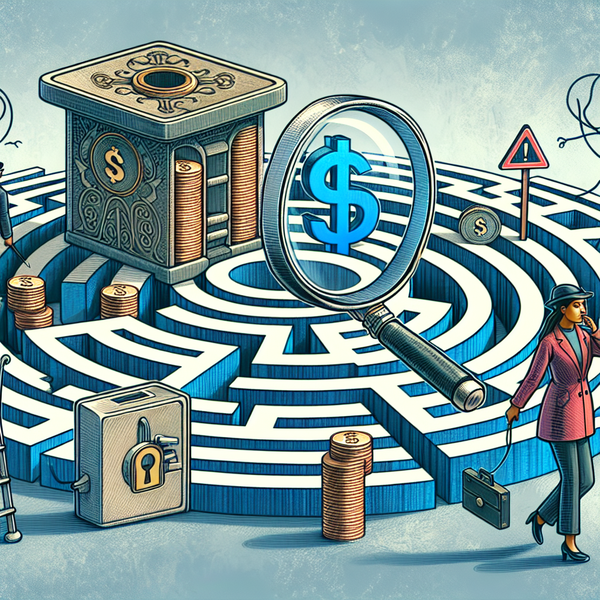
Financial scams 2025: 10 clever traps draining savings and how to avoid them
You work hard for your money. Keeping it safe should not feel like a full time job, but the truth is the con game keeps changing. Financial scams 2025 are slick, fast, and often designed to look boringly normal. A simple text from your bank. A friendly investment tip. A routine login alert. One tap and poof, savings vanish. In this guide, we break down what is new, what still works for crooks, and how to stay ahead with smart fraud prevention tips that fit real life.
Here is what we will cover. A quick overview of why scams are up. A deep dive into ten clever tricks that target your savings right now. Practical steps for investment fraud prevention, identity theft protection, and spotting fake investments before they hook you. No scare tactics, just clear steps you can use today.
Why investment fraud prevention matters more than ever this year
The line between legit and fake is thinner than it used to be. Scammers steal brand logos, copy real websites, and use live chat to look professional. They ride headlines and hype. New tech makes it worse. Deepfake voices spoof your boss or a loved one. Text bots fire off thousands of phishing bank scams in minutes. Fake trading dashboards update in real time with made up gains. It all looks so normal that many people do not realize what hit them until the money is gone.
Here is the real risk: a small slip can lead to a chain reaction. Click a bad link, enter your email and phone, and you may face account resets, phone SIM swaps, and credit pulls. That is how a tiny mistake turns into a full identity takeover. Strong investment fraud prevention and identity theft protection do more than block one scam. They reduce the odds that a mistake becomes a meltdown.
The good news is that simple moves help a lot. Save numbers to your contacts so you can spot fake callers. Use passkeys or security keys where possible. Freeze credit so a thief cannot open accounts. And learn the new red flags. The better you are at spotting fake investments and dodging urgent messages, the safer your savings stay.
Deep dive: spotting fake investments and phishing bank scams in the real world
Let us walk through ten scams that are hitting people right now. You will see patterns: pressure, secrecy, fast movement, and payment methods that are hard to reverse. Notice how each trick leans on trust. Then keep an eye out for these moves in your own inbox and chats.
-
Text blasts from your bank that are not from your bank
These phishing bank scams hit your phone with a warning. Unusual charge. Card locked. New device login. The message includes a link that looks real at a glance. The page steals your username, password, and security codes. You enter the code, they enter the same code, and your account is drained in seconds.
How it plays out: Tina got a Saturday text that said there was a 742 dollar charge pending. She tapped, logged in, and approved a security code. By Monday, two wires cleared. The bank log showed that the code allowed a new device to be trusted.
Protect yourself: Save your bank number in contacts. Ignore links in texts. To check a warning, open your bank app yourself or call the number on the back of your card. Turn on push notifications for transactions so you catch trouble fast. Layer in identity theft protection tools that alert on changes to your data.
-
Fake investment platforms with shiny dashboards
Scammers build sleek websites that mimic major brokers. They promise low fees, insider access, or AI powered picks. You see a personalized dashboard with live charts and unreal smooth gains. You are asked to deposit via crypto, gift cards, or a wire to a foreign account. When you try to withdraw, support stalls or demands a tax fee first.
Red flags to watch: guaranteed returns, zero risk claims, limited time offers, and complex jargon that dodges basic questions. This is where spotting fake investments saves you most.
Protect yourself: Search the firm on your national regulator site before you send a cent. Read plain language reviews from multiple sources. For real investment fraud prevention, do a $10 test deposit and test withdrawal before you commit. If you cannot easily get money out, walk away.
-
Deepfake voices that sound like your boss or your mom
A crook can clone a voice with a short clip from social media. Then they call with urgent requests. Move funds now. Confirm a code. Read me the digits on that card. The voice sounds right, the background noise sounds like an office, and your guard drops.
How to break the spell: agree on a safe word with family or a private callback channel at work. For any money request, hang up and call back on a number you already trust. Never approve a transfer or code while on an inbound call.
-
QR code tricks at parking, cafes, and charity tables
It is easier to swap a sticker than hack a site. Scammers place a fake QR over a real one, which sends you to a cloned page. You pay for parking or donate, and the money goes to a thief. Some codes try to install a malicious app.
Protect yourself: if a code links to payment, type the official URL instead. Check for odd domains or spelling errors. Use your phone camera preview to see the link before you open it. Keep mobile wallet notifications on.
-
Tech support that offers to fix a problem you did not have
A pop up warns about a virus and shows a number to call. Or a rep emails you claiming to be from a major brand. They ask to remote into your computer. Once inside, they show fake system errors and guide you to your bank to process a refund or fee. Then they move money out or harvest logins.
Defense moves: do not call numbers on pop ups. Close the browser, clear history, and restart. If you need help, go to the official website by typing the address yourself. Use a separate device for banking and do not install remote access apps on it.
-
Account recovery bait that leads to a phone SIM swap
You get a message about an account reset you did not request. A scammer then calls as phone support and urges you to verify codes. If they trick your mobile carrier, your number gets moved to their SIM. Now they can receive login codes and reset passwords across your life.
Prevent the cascade: add a port out PIN with your carrier. Use app based authenticators or security keys for important accounts, not just SMS. Turn on alerts for SIM changes. This is core identity theft protection because your phone number is a key that unlocks many doors.
-
Charity and disaster relief scams that ride the news cycle
After a storm, wildfire, or global crisis, donation links surge. Most are honest, but crooks move fast to plant fake sites and peer to peer requests. They use stolen images, tearful stories, and pressure to act now.
Smart giving: donate through well known platforms or go directly to the charity website. Avoid links in social posts or DMs. Verify the charity status on a trusted registry. If someone asks you to donate by gift card or crypto for a charity, stop and rethink.
-
Marketplace overpayment and refund cons
You sell a couch or gadget online. The buyer pays too much and asks you to return the extra. Or they send a check that looks real, which clears at first, then bounces days later. Once you send the refund, your money is gone.
Simple rule: never refund money from a payment method that can bounce. Only ship or transfer goods after funds settle. Use the official marketplace payment system. If someone complicates a simple sale, that is your sign to pass.
-
Romance plus investment, also known as pig butchering
It starts with a polite hello on a dating app or social site. The chat moves off platform. Your new friend is patient and kind. Weeks later, they mention a hot investment and offer to walk you through it. You see small early gains on a very real looking site. When you add more, the trap closes and withdrawals stop.
Protect your heart and wallet: keep relationships on the platform for longer. Be wary of money talk, especially crypto or forex, from someone you have not met in person. If you hear guaranteed returns, that is your cue to leave. Share the pitch with a trusted friend to get a reality check. Real investment fraud prevention is often a second pair of eyes.
-
Free trial and subscription traps
That free trial is not free if it hides a renewal that bills fast. Some shady apps and sites make canceling hard or bury terms in tiny print. Others dress up small monthly fees that stack across many services you barely use.
Easy wins: use virtual cards with spending limits for trials. Set calendar reminders the day you sign up. Cancel on day one if the service does not wow you. This habit is part of overall fraud prevention tips because it reduces small leaks that add up.
Common mistakes people make
People trust visuals more than they should. A clean logo feels safe. A padlock icon in a browser is assumed to mean trustworthy, but it only means the connection is encrypted. People also rush. Scammers love Friday afternoons, holidays, and travel days, when your attention is split. Slow down, even for 30 seconds. That small pause stops many traps.
What smart savers do differently
They use standard places for money moves. They call back on saved numbers. They treat codes like cash and never read them out loud. They assume any transfer could be irreversible and they double check the destination. They build basic identity theft protection into weekly habits. They update passwords, review statements, and keep their contact info current at banks and brokers.
Practical moves you can take today
- Lock down your credit: place a credit freeze with all major bureaus. It is free, it takes minutes, and it blocks most new account fraud.
- Upgrade your logins: use a password manager, turn on passkeys or a hardware security key where possible, and switch from SMS to app based codes on bank and email accounts.
- Make a personal callback rule: if money is involved, you initiate the call. Never act on inbound requests, even if the caller ID looks legit.
- Create bank alerts: push alerts for deposits, withdrawals, and wire requests catch trouble fast. Set daily transfer limits if your bank allows it.
- Build a save file: keep a short list of your real support numbers, account portals, and official URLs. Use it instead of links in texts or emails.
- Run the vibe check: urgent, secret, and time boxed equals danger. If someone wants you to move money fast or in a special way, slow down and verify.
- Test before you trust: for any new platform, do a small deposit and a withdrawal. Real services make withdrawal easy.
- Sanity check investments: use a regulator database search, scan for accurate company registrations, and look for clear, plain language disclosures. Spotting fake investments starts with boring paperwork.
- Segment your money: keep savings in one bank and day to day spending in another. That way a breach in one does not drain everything.
- Backups and clean devices: keep devices updated, remove unused apps, turn on automatic updates, and back up important files. A clean device is stronger against trick installs.
- Teach your circle: share these fraud prevention tips with family. A scammer may target the least tech savvy person in your home to reach your accounts.
Fast ID protection checklist
- Freeze credit and set fraud alerts.
- Add a port out PIN to your mobile carrier account.
- Turn on dark web monitoring in your password manager.
- Use separate emails for banking and shopping to limit crossover risk.
- Review account recovery settings so a crook cannot change them easily.
Before you invest checklist
- Verify registration of the platform and the person selling it.
- Search for complaints and enforcement actions.
- Refuse to invest based on screenshots or dashboards alone.
- Walk away from guaranteed returns or secret strategies.
- Get a second opinion from a fee only advisor or a savvy friend.
None of this needs fancy tools. The core is mindset. Assume any unexpected request could be a trick. Use only channels you control. Keep codes to yourself. And take one extra step to verify. These habits give you real world investment fraud prevention without a ton of stress.
Conclusion: stay calm, stay curious, and make scammers work for nothing
Scammers win when they rush you, shame you, or blind you with fake urgency. Flip the script. Slow down. Ask boring questions. Use your own links and your own numbers. The more you practice, the easier it is to spot small tells in phishing bank scams and fake investment pitches.
Remember the big picture. A single slip does not have to spiral. With simple identity theft protection steps in place, one bad click is a speed bump, not a crash. Keep this guide handy. Share it with people you care about. Revisit the ten scams before tax time, travel season, and big shopping weeks. If something feels off, it probably is. Trust that feeling and verify before you tap or transfer.
Want a five minute win right now
- Freeze your credit.
- Turn on push alerts for bank and card activity.
- Switch your email and bank to app based codes or a security key.
- Delete old payment apps you no longer use.
- Write down those callback numbers in a safe place.
Small moves like these beat even the craftiest financial scams 2025. Keep the momentum going, and keep your savings in your pocket, where it belongs.