Are Your Cleaners Secretly Polluting Your Home
Cleaning Product Hazards: Why Your Cleaning Products Might Be Making Your Home Worse
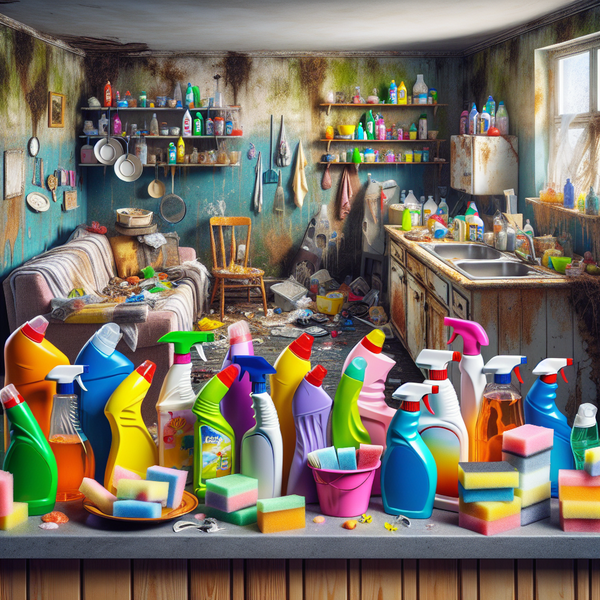
You scrub, spray, and wipe because you want a fresh, healthy home. But here is the twist. Some bottles under your sink can work against you. Hidden fumes. Harsh residues. Irritated skin. The list can get long. This is where the conversation on cleaning product hazards matters. Today we dig into what is in many bottles, why it can backfire, and how safe cleaning alternatives and green cleaning products can help. We will also talk about homemade cleaners, how to avoid toxic cleaners, and build a plan for non-toxic home cleaning that actually works.
In this guide, you will get clear answers. We will cover health and surface risks. We will bust a few myths. You will get simple swaps and step by step tweaks you can make this week. No scare tactics. Just practical advice.
Green cleaning products and safe cleaning alternatives that actually work
Section 1: Overview of the Main Topic
Let us start with the big picture. Most people clean to remove dirt and germs. Yet many conventional formulas add extra problems. Synthetic fragrances hang in the air. Strong solvents strip more than grime. Preservatives can bug your skin or eyes. When used daily, these layers build up indoors. Doors and windows stay shut most of the year in many homes. That can trap vapors. This is why cleaning product hazards deserve attention.
Why now? We spend more time at home than ever before. Kids and pets play on floors and carpets. We cook more meals and wipe more counters. Our exposure goes up with every pass of a spray. The good news is this. You can clean well without harsh chemicals. Green cleaning products and smart habits remove grime and reduce risk. Think fewer warnings and more results. That is the core promise of non-toxic home cleaning.
Section 2: Detailed Breakdown
Specific Aspect 1: What is in the bottle and why it matters
The label tells a story. If you know how to read it, you can avoid toxic cleaners fast. Watch for terms like caustic, corrosive, danger, and poison. These words are not there by accident. They point to strong bases or acids that can burn skin, eyes, or airway. Many all purpose sprays also carry fragrance blends. These can include dozens of compounds under one word. That makes it hard to know what you breathe during and after cleaning.
Solvents like glycol ethers can boost cleaning power. They also can irritate sensitive skin. Bleach kills germs but can react with acids or ammonia. That reaction can release harmful gases. It is rare but risky. This mix of ingredients can turn a simple task into a health drain. That is the heart of cleaning product hazards.
Here is a simple example. You mop the kitchen with a strong cleaner. It smells like flowers. The scent lingers for hours. You think clean. But that scent tells you some vapors remain indoors. Over time, headaches or a scratchy throat can show up. For some, it also means sneezing or skin issues. This is not a one time disaster. It is slow drip exposure you can fix with safe cleaning alternatives.
Specific Aspect 2: Surfaces, finishes, and the hidden cost of overkill
Many formulas are great at one job. But that does not mean they are right for every surface. Bleach can lighten grout but can also weaken it with routine use. Ammonia cuts grease well but can dull some coatings. Vinegar is a star on glass. Yet it can etch marble, limestone, and some tiles. That means a clean today and a repair bill later.
Think about your home as a set of materials. Wood floors, sealed stone, stainless steel, glass, ceramic, laminate, and painted walls. Each has a best friend cleaner and a set of enemies. Overuse of heavy duty products can strip finishes and shorten the life of appliances and furniture. A smart routine uses the least aggressive method that still works. That is the heart of safe cleaning alternatives.
Action steps that help right now:
- Match the method to the mess. Dust first, then clean, then if needed disinfect. Save strong products for times of illness or raw meat spills.
- Always test in a small spot. Especially with stone, wood, and new finishes.
- Use microfiber. It lifts soil with just water for many jobs and supports non-toxic home cleaning.
Specific Aspect 3: Health, habits, and everyday exposure
Cleaning is a routine, not a one time event. Small choices add up. Spraying in a closed bathroom? That tight space fills fast. Mixing products in a bucket because more must be better? That can create fumes. Using a disinfectant wipe on everything every day? That can leave residues that offer no benefit once dry.
Many health pros suggest a focus on soil removal instead of constant disinfection. Soap and water break apart grease and dirt. A clean surface does not need daily disinfecting unless there is a known risk. Fresh air helps too. Crack a window or run a fan. It lowers the load of any vapors from toxic cleaners or even mild ones. It is a simple shift with a big payoff.
Homemade cleaners that beat toxic cleaners for everyday messes
Section 3: Application and Practical Tips
You do not need a chemistry degree to clean well. You just need a short list of reliable tools and recipes. These homemade cleaners and habits can help you switch to green cleaning products without losing cleaning power.
Starter kit for non-toxic home cleaning
- Microfiber cloths for dusting and polishing with water.
- Spray bottles labeled for different solutions.
- Castile soap as a mild general cleaner.
- White vinegar for glass and mineral deposits on safe surfaces.
- Baking soda as a gentle scrub for sinks and tubs.
- Hydrogen peroxide 3 percent as an occasional disinfectant when needed.
- Olive oil or mineral oil for light wood conditioning.
- Fragrance free options to cut unnecessary irritants.
Simple recipes that work
- All purpose soap spray: 2 cups warm water plus 1 teaspoon castile soap. Use on sealed counters, painted walls, and most hard surfaces. Wipe with a damp cloth and dry.
- Streak free glass cleaner: 1 cup water plus 1 cup vinegar. Spray on glass and mirrors. Wipe with a dry microfiber cloth. Avoid on stone.
- Gentle scrub paste: 1 part water to 3 parts baking soda. Make a paste. Use on sinks, tubs, and stove grates. Rinse well.
- Tile and grout refresher: Spray surfaces with the soap spray. Sprinkle a little baking soda on grout lines. Scrub with a brush. Rinse. Dry with a clean towel.
- Quick disinfect step for cutting boards after raw meat: Wash with hot soapy water first. Then spray with hydrogen peroxide 3 percent. Let sit for 5 minutes. Rinse and air dry. Use this only when needed.
Label reading cheat sheet
- Skip heavy fragrance: Choose fragrance free or essential oil only if you want scent. Less is more for indoor air.
- Look for third party seals: Labels like Safer Choice can help you find green cleaning products that meet strict criteria.
- Avoid mixing: Bleach with acids or ammonia can form harmful gases. Stick to one product at a time. Rinse between changes.
- Watch signal words: Danger and Warning call for extra care. Choose a milder option when possible.
Ventilation and technique
- Open a window or run a fan when you clean. Fresh air reduces any vapor exposure from toxic cleaners and even milder ones.
- Spray the cloth, not the air: It limits mist and hits the mess directly.
- Work top to bottom: Dust falls. Clean high areas first, then lower ones.
- Use the right tools: A damp microfiber mop handles floors without heavy chemicals.
When to disinfect and when to relax
- Disinfect after raw meat prep, during illness, and on high touch spots in shared spaces as needed.
- Clean only for routine messes. Soap and water remove soil and reduce germs enough for healthy homes.
- Choose targeted products: Use peroxide or alcohol based products when disinfection is truly needed. Follow label contact times.
Common mistakes to avoid
- Overusing strong products: You do not need a hospital grade disinfectant for a dusty shelf.
- Chasing scent as proof of clean: A fresh smell is not the same as a clean surface.
- Skipping rinse steps: Residue builds over time. Rinse and dry when the label says so.
- Ignoring material limits: Vinegar and lemon on stone can cause etching. Bleach on metal can pit it. Know your surfaces.
- Not letting products sit: If a label calls for a few minutes of contact time, do not wipe it right away.
Safe cleaning alternatives in every room
- Kitchen: Soap spray for counters. Baking soda paste for sinks. Peroxide for cutting boards when needed.
- Bathroom: Soap spray on counters and fixtures. Vinegar on glass and hard water spots if surfaces allow. Baking soda paste for tubs.
- Floors: Damp microfiber mop with warm water, or a small dose of castile soap for sealed floors. Avoid soaking wood.
- Laundry: Use fragrance free detergent. Add a cup of vinegar to the rinse for towels if your machine allows. It reduces residue and odors.
- Dusting: Dry or slightly damp microfiber cloth. No aerosol sprays needed.
Building a long term non-toxic home cleaning plan
- Audit what you have: Pull out every bottle. Keep what you use. Drop duplicates and harsh items that are not needed.
- Set a simple core kit: Soap, vinegar, baking soda, microfiber, and one disinfectant for special cases.
- Swap as you run out: Replace one product at a time with safe cleaning alternatives so the change feels easy.
- Create cleaning zones: Kitchen caddy, bathroom caddy, and floor kit. Keep it organized so you use less and waste less.
- Store smart: Keep products locked away from kids and pets. Date your homemade mixes and make small batches.
- Vent and rinse: Build these into your routine so residues and vapors stay low.
Real world comparisons: what to use instead
- Oven cleaner swap: Try baking soda paste on a warm (not hot) oven. Let it sit for 30 minutes. Scrub and wipe. Repeat as needed.
- Toilet bowl cleaner swap: Sprinkle baking soda into the bowl. Add a splash of vinegar. Let it foam. Scrub with a brush. For stains, let it sit longer.
- Glass cleaner swap: Vinegar and water with a dry microfiber cloth beats many streaky sprays.
- Floor cleaner swap: Warm water and a few drops of castile soap is plenty for most sealed floors.
- Stainless steel polish swap: A drop of mild dish soap on a damp cloth cuts fingerprints. Follow with a tiny bit of mineral oil for shine.
What about store bought green cleaning products
Not into DIY every time? No problem. Many brands now offer solid green cleaning products. Look for short ingredient lists. Skip heavy fragrance. Choose concentrates to cut plastic waste. Check reviews for real world performance. You can build a hybrid system: buy a few favorites and make the rest.
Cost and convenience
Switching to non-toxic home cleaning can lower costs. Bulk vinegar and baking soda are cheap. Castile soap lasts a long time. Microfiber cuts paper towel use. Less clutter under the sink also saves time. You grab the right tool without digging through a mess of bottles.
Safety and storage tips
- Always label spray bottles with the name and date.
- Never mix unknown products. Rinse bottles before reuse.
- Store chemicals up high or locked if kids or pets are around.
- Use gloves if your skin is sensitive, even with mild products.
- Dispose of old or harsh products at local hazardous waste drop offs.
Conclusion: Clean better, breathe easier
Your home should feel safe, not like a lab. By understanding cleaning product hazards, you can avoid overkill and choose safe cleaning alternatives. With a few homemade cleaners, some smart habits, and a couple of trusted green cleaning products, you get strong results without the extra risk from toxic cleaners. That is the path to steady, non-toxic home cleaning that fits real life.
Start small. Swap one product this week. Vent when you clean. Spray the cloth, not the air. Watch how much calmer your home feels. Clean should smell like nothing at all.
Meta Description: Learn the truth about cleaning product hazards and discover safe cleaning alternatives, green cleaning products, and homemade cleaners for non-toxic home cleaning.