
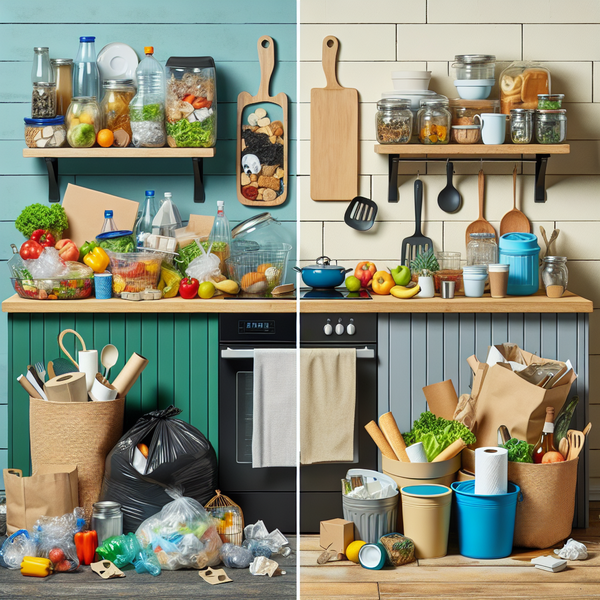
How One Simple Swap Halved My Household Waste
Sustainable homemaking: The One Swap That Cut My Household Waste in Half
I used to think a greener home meant a total lifestyle overhaul. Turns out, the biggest shift came from one small, practical move. It sat right on my kitchen counter, looked plain, and asked for nothing more than peels and coffee grounds. That one swap changed how I see trash. It also made sustainable homemaking feel simple and real. If you want to reduce household waste without flipping your world upside down, this is the easiest place to start. Along the way I will share zero waste swaps, eco-friendly home tips, and a bunch of tricks to reduce waste in the kitchen and beyond. This is sustainable living that feels doable on a busy day.
Why one simple switch reshaped my home routine
Here is the short version. I stopped tossing food scraps in the trash and started composting. I know, not a flashy headline. But it made a huge dent. Scientists and city waste teams say organic matter can be a massive chunk of household garbage by weight and volume. It smells, it leaks, and it makes the bin gross. Once I rerouted those scraps, I saw the trash bag shrink like magic. Less stink, fewer trips to the bin, and a calmer kitchen. The result was less clutter and a lighter footprint. That is the heart of sustainable homemaking: small daily choices that stack up to big change.
At first I thought composting would be complicated. Worms? Rat proof bins? Yard space? I had all the questions. But the real win came from keeping it simple. I started with a small countertop caddy and a compost plan that fit my setup. The system felt natural within a week, and after one month the trash bag had cut in half. That is when I realized this was not just a green hobby. It was the easiest way to reduce household waste fast.
The swap that did the heavy lifting: from trash can to compost system
Let me walk you through how I did it, what I used, and why it worked so well. This is the core swap. Everything else is a bonus.
The setup I chose
I placed a small, lidded compost caddy on the counter next to the cutting board. I used a simple steel bucket with a charcoal filter in the lid. It looks tidy and keeps odors in check. If you like a more minimal look, a ceramic jar works too.
Where the scraps went
I tried three routes and you can pick the one that fits your home:
- City green bin: If your city collects organics, just empty your caddy into that bin. Done.
- Backyard compost: A basic tumbler or bin works for peels, grounds, and dry yard waste.
- Community drop-off: Many farmers markets and gardens accept food scraps weekly.
This is one of those zero waste swaps that scales up or down. Tiny apartment? Use a small caddy and a weekly drop-off. Big yard? Start a bin and enjoy free soil later. Either way, your landfill bag stops ballooning with wet scraps. That alone can reduce waste in the kitchen by a lot.
What I put in the caddy
- Fruit and veggie peels
- Coffee grounds and paper filters
- Tea leaves and paper tea bags without staples
- Eggshells, crushed
- Stale bread and grains in small amounts
- Unbleached paper towels that wiped up only water or food
What I kept out
- Meat, fish, and dairy if using a backyard bin
- Oily food or lots of cooked food at once
- Plastic, foil, and wrappers labeled as compostable only in industrial systems
That is it. No fuss. Just move the scraps over, empty the caddy often, and enjoy a cleaner bin. This one move changed my day-to-day rhythm and made sustainable living feel simple.
How I set it up without stress and made it stick
Plenty of people try composting and then stop. My goal was to make it so easy that I could do it on autopilot. These eco-friendly home tips kept me on track.
1. Place the caddy exactly where you cook
If you need to walk across the room, you will skip it on busy nights. I set mine to the right of the cutting board and to the left of the sink. Reach, flip lid, drop scraps, lid down. Two seconds. Done.
2. Keep the lid clean and the inside dry
Moisture is what causes smells. I line the bottom with a little shredded paper or a brown paper bag. I also rinse the bucket weekly. That is a key reduce waste kitchen habit with a big payoff.
3. Choose a trash day for the caddy
I empty the caddy on the same day I take out the trash or recycling. That rhythm makes it easy to remember. No guessing. No overflow.
4. Teach the household with a simple list
I taped a little card inside a cabinet that lists what goes in and what stays out. Kids can learn it fast. Guests can help. It keeps the system smooth.
5. Do not chase perfection
If someone drops a bit of cheese in there once in a while, it is not the end of the world. Keep going. The point is to reduce household waste, not create a new source of stress.
Once the compost routine was running, I looked around for other zero waste swaps that felt just as easy. Many fancy items do not stick. I wanted simple swaps that cut real waste without a lot of effort.
Other easy wins that support the compost habit
These small changes reinforce the main swap. They keep kitchen waste down and make sustainable homemaking feel light and practical.
Switch to refill and bulk basics
I bring jars and cloth bags to buy rice, oats, nuts, and coffee. That trims plastic packaging. It also looks great in the pantry and helps me see what I have. Less waste, less clutter, less food wasted.
Use a meal plan that matches your week
Too much ambition turns into wilted herbs and sad leftovers. I plan a realistic number of dinners and leave a night or two for leftovers or a simple pasta. That reduces food waste fast and supports sustainable living without going to extremes.
Pick durable reusables you enjoy using
I like glass containers for leftovers, silicone lids, and a single set of cloth towels. I still keep a small roll of paper towels for messes that I do not want to wash. Balance is fine. The trick is to choose reusables you actually reach for. That is one of the most reliable eco-friendly home tips because habit beats hype.
Keep a visible stock station
I freeze veggie scraps in a bag labeled stock. When it fills up, I simmer them into broth. Scraps become soup and I reduce waste in the kitchen while saving money. If I cannot make stock right away, I drop the bag at a community compost instead.
Store produce so it lasts
Greens like a damp towel in a container. Carrots and celery stay crisp in water. Berries last longer in a breathable container. Simple storage tricks help reduce household waste by keeping food fresh until we eat it.
What surprised me, what I messed up, and what I would do again
Composting is simple once you get going. Still, a few lessons saved me time and frustration.
Surprise 1: The trash stopped smelling
Food scraps cause most odors. Once those moved to the caddy, the main bin stayed dry and calm. I no longer rush to take it out. That one change made cleanup nicer and helped the kitchen feel more peaceful.
Surprise 2: The bin filled slower, so I used smaller bags
With less weight and moisture, the bin fills slower and stays cleaner. I use smaller bags now, which means I buy fewer rolls. Small wins stack up in sustainable homemaking.
Mistake 1: I tried to switch everything at once
I bought too many special containers at first. A few were helpful, but some sat in a drawer. My advice: pick one or two zero waste swaps and stick with them for a month. Once they feel easy, add another. The goal is a steady rhythm that fits your life.
Mistake 2: I hid the caddy
I tried storing the caddy under the sink to keep the counter clear. Out of sight, out of mind. We forgot to use it. Keeping it visible was the key to reduce waste in the kitchen without thinking about it.
Expert style insight: Keep the carbon to nitrogen balance in mind
If you use a backyard bin, aim for a mix of browns and greens. Browns are paper shreds, dry leaves, and cardboard. Greens are peels, coffee grounds, and food scraps. Too many greens can cause odor. Too many browns slow the process. A loose 2 to 1 ratio of browns to greens works well. If it smells, add more browns and turn it. If it looks dry and slow, add a few greens and a splash of water. That is compost care 101 for sustainable living.
Practical guide: set up this swap in one afternoon
You can launch this system today. Here is a quick plan that keeps it easy and helps reduce household waste from day one.
Step 1. Choose your path
- If your city collects organics, use the green bin and a countertop caddy.
- If you have a yard, pick a compost tumbler or bin that suits your space.
- If you are in an apartment, find a weekly drop-off or subscribe to a pickup service.
Step 2. Pick a caddy you like
- Steel or ceramic with a tight lid keeps smells in check.
- Size matters. A 1 to 1.5 gallon bucket is a sweet spot for most kitchens.
- Optional liners: Try paper liners or go liner free with a quick rinse each week.
Step 3. Place it where you prep food
- Next to the cutting board is ideal.
- Keep a small bin or paper bag nearby for dry browns if you are backyard composting.
Step 4. Make a scrap list
- Yes: peels, grounds, shells, tea, and clean paper towels.
- No: plastic, foil, rubber bands, and glossy paper.
- Backyard note: avoid meat and dairy unless you have a high heat system.
Step 5. Set a routine
- Empty the caddy two to four times a week.
- Rinse the bucket weekly and swap filters every few months if it uses one.
- Turn a backyard pile weekly and add browns when it looks wet or smells.
Step 6. Layer in more easy wins
- Keep a leftovers container front and center in the fridge.
- Buy pantry staples in bulk with your own jars.
- Use a sharp knife and plan prep day to cut and store produce right away.
These are the eco-friendly home tips that helped me turn one smart swap into a lasting habit. This path will reduce waste in the kitchen and keep your home calmer day after day.
Beyond the kitchen: make the same logic work in the rest of your home
Once the compost habit clicked, I used the same approach in other rooms. The idea is simple. Put the better choice within arm reach, and the wasteful choice farther away. Here are a few low effort, high impact ideas for sustainable homemaking.
Laundry lane
- Switch to a concentrated detergent in a refillable bottle or cardboard box.
- Use wool dryer balls instead of single use sheets.
- Wash on cold. It saves energy and keeps clothes in shape longer.
Bathroom basics
- Refill hand soap and body wash at a local shop or buy in bulk.
- Try a safety razor with replaceable blades instead of plastic disposables.
- Use a bamboo toothbrush and recycle the bristles if your program allows.
Cleaning kit
- Pick a multipurpose concentrate that you dilute at home.
- Use cloths you enjoy washing and a small caddy so supplies live together.
- Store baking soda and vinegar for simple jobs. They are cheap and effective.
Takeout and snacks
- Keep a small utensil set and napkin in your bag or car.
- Store reusable containers near the door, not buried in a cupboard.
- Say no to extras like sauce packets and plastic straws you will not use.
Notice the theme. Make the good choice the easy choice. That is the backbone of sustainable living and the best way to reduce household waste for the long haul.
Simple FAQ for real life composting
Does composting smell?
Inside the kitchen, not if you keep the lid on and empty the caddy often. Outside, a healthy pile smells like soil, not garbage. If there is odor, add dry browns and mix it.
What if I live in a small apartment?
Use a small caddy and a weekly drop-off or pickup service. You can also try a compact electric composter if available in your area. Keep it simple and doable.
Is this really the biggest win?
For many homes, yes. Food scraps are heavy and messy. Moving them out of the trash often cuts bag volume in half. It also makes other zero waste swaps easier because the kitchen stays cleaner and more organized.
What about cost?
A basic caddy can be very affordable. Backyard bins range in price. Many cities offer discounts or free compost programs. Over time, you may buy fewer trash bags and throw out less food, so it can balance out.
Wrap up: one habit, half the waste, and a calmer home
If you want a quick win that you can feel in a week, start a simple compost routine. It is the one sustainable homemaking swap that cut my waste in half and made my home feel fresher. Place the caddy where you cook. Empty it on a schedule. Keep the system light and friendly. Add easy zero waste swaps as you go.
Here are the main takeaways:
- Composting pulls the heavy, smelly part of trash out of your bin.
- Simple placement and routine make the habit stick.
- Supporting steps like bulk buying and smart storage reduce waste in the kitchen even more.
- Small wins stack up. That is the heart of sustainable living.
Ready to try it? Set a caddy on the counter tonight. Put peels in it tomorrow. Choose your drop-off or bin this week. You will feel the shift fast. Less stink, fewer bags, and a good feeling every time you toss a banana peel in the right place. That is how we reduce household waste without making life harder. That is how a home becomes an easy, eco friendly place to live well.