
Meta Description: Learn the truth about bank fees hidden charges. Get overdraft fees and account fees explained in simple words, plus practical banking tips on how to avoid bank fees and find fee-free accounts.
What Your Bank Does Not Want You to Know About bank fees hidden charges
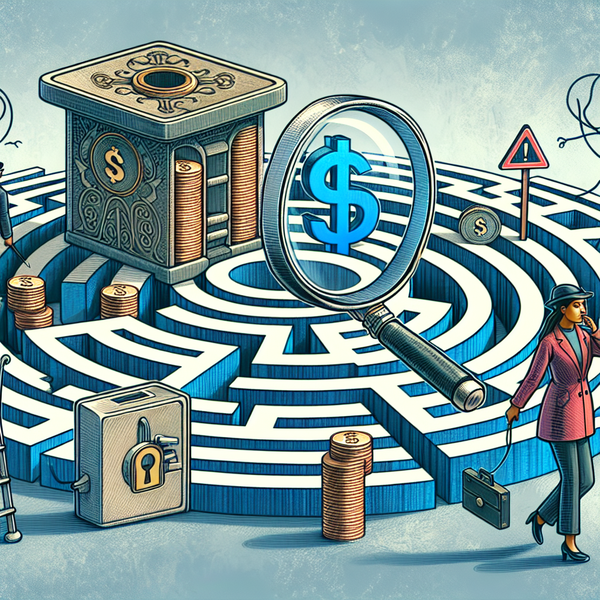
Banks design fees like a maze. The signs look clear at first. But take one wrong turn and the costs pile up fast. If you have ever been hit by a random charge or a surprise overdraft, you know the sting. Today we pull back the curtain on bank fees hidden charges, the real reasons they exist, and how to keep more of your money where it belongs.
This guide lays out the big stuff in plain language. You will see overdraft fees and account fees explained. You will learn how to avoid bank fees without making your life harder. You will get practical banking tips you can use today, and a simple way to move to fee-free accounts if your bank is not playing fair.
Overdraft fees and account fees explained in plain language
Money moves fast. A latte in the morning. A streaming bill at night. A hold on your card from the gas pump. It all adds up. When timing is off by even a day, your account can slip into the red. That is when overdraft fees hit. Banks charge a flat amount, often between 25 and 40 dollars, each time a payment overdraws your account. Some banks also charge an extended overdraft fee if your balance stays negative for a few days. It is like a parking ticket for leaving your car too long in a no parking zone, plus another ticket if you do not move it.
Beyond overdrafts, everyday accounts can carry a cluster of charges. These include monthly maintenance fees, minimum balance fees, out of network ATM fees, foreign transaction fees, paper statement fees, wire fees, cashier check fees, and even inactivity fees if you do not use the account for a while. Many of these are small on their own. Together, they drain cash little by little.
Why do banks use fees at all. Two big reasons. First, fees bring in revenue. Second, fees nudge behavior. If a bank wants more direct deposits or more card use, it adds a fee waiver if you meet those goals. That is why the same account might cost one person nothing and cost another person 15 dollars a month.
The trick is knowing the rules and how they work in real life. The fine print lists rules, but your real day to day habits decide what you pay. The rest of this article shows you how to cut through the noise with clear banking tips that work even if you do not love spreadsheets.
How to avoid bank fees with practical banking tips and fee-free accounts
Let us break the problem into parts. First, the ugly one: overdraft fees. Then, the core of everyday costs: maintenance and account service fees. Finally, the sneaky stuff: smaller charges that show up when you travel, transfer money, or make changes.
Overdraft fees up close
Think of overdrafts as a timing issue more than a math issue. Your bank balance can look fine at noon, then go negative by 5 PM if a big payment posts before your paycheck hits. Some banks reorder transactions so that large ones hit first, which can trigger more fees on smaller items after. Others have moved to more consumer friendly posting, but you still need to know the rules.
Ways overdrafts happen:
- Debit card authorization holds at gas stations and hotels can be bigger than the final cost. That hold can push your available balance down temporarily.
- Automatic payments can post early or on weekends, then hit the next business day, which can mess up timing.
- Mobile check deposits can have delayed availability. Money looks like it is there, but it is not cleared yet.
Real life example: Sam had 28 dollars left on Thursday morning. He bought lunch for 13 dollars and filled up gas where a 100 dollar hold landed. Later that day, his phone bill for 45 dollars posted. Even though the gas charge settled at 42 dollars the next day, the hold pushed him negative on Thursday, and he paid an overdraft fee. One lunch, one bill, one hold, one fee.
Practical moves to cut overdraft risk:
- Turn off overdraft coverage for debit card purchases. Many banks let you opt out so card purchases get declined instead of paid with a fee. This does not cover checks or ACH payments, but it solves a big chunk of pain.
- Use low balance alerts and large transaction alerts. Set a number that fits your budget, like 75 dollars. When you get a ping, pause spending until a deposit clears.
- Keep a small buffer in checking. Even 50 to 100 dollars can act like a shock absorber.
- Link to a savings account for overdraft protection transfers. Many banks let you cover a shortfall by moving money from savings for a smaller transfer fee or no fee at all.
- Ask for a one time courtesy refund if you slip. If your account is in good standing, many banks will reverse one or two overdraft fees per year if you ask the right way.
Account fees explained without the jargon
Monthly maintenance fees are the cover charge to use the account. Common waivers include minimum daily or average balance, a set number of direct deposits, or a total balance across your accounts. The bank wants sticky users and predictable deposits. You want simple rules that you can meet without stress.
Here is how to trim or erase monthly fees:
- Pick an account tier you can actually meet. If the standard checking needs 1500 dollars minimum but the basic version needs 500 dollars or one direct deposit, the basic account may be smarter.
- Arrange direct deposit from your employer or benefits provider. Many banks waive the fee for any monthly direct deposit, sometimes with a minimum amount like 250 or 500 dollars.
- Use online statements. Paper statements can cost 2 to 5 dollars per month. E statements are free and faster.
- Ask for a student, senior, or military account if you qualify. These often remove monthly fees and lower other charges by default.
- For joint households, consider a single shared account with one robust balance that clears waivers, then add free subaccounts or digital envelopes for budgeting.
Hidden charges that nibble at your balance
Small fees do not look scary, but they can hit often.
- Out of network ATM fees: Your bank may charge 2 to 3 dollars to use another banks machine, plus the ATM owner adds another 2 to 3 dollars. If you do this weekly, you burn 20 to 25 dollars a month. Switch to a bank with a large ATM network or choose fee-free accounts that reimburse ATM fees.
- Foreign transaction fees: Some banks add 1 to 3 percent for purchases outside your country or processed by an overseas network. For travelers and online shoppers, that adds up fast. Use a card with no foreign transaction fee.
- Wire fees: Domestic wires can cost 15 to 35 dollars to send and 10 to 15 dollars to receive. For large one time transfers, it can be worth it. For regular bills, set up ACH or bill pay, which is usually free.
- Paper statement and cashier check fees: These are easy to avoid with e statements and bank checks only when necessary.
- Inactivity or dormancy fees: Some banks charge after months of no activity. A small automatic transfer in or out can reset the clock.
- Early account closure fees: New accounts sometimes have a 90 to 180 day window. Close inside that and you pay a penalty. Mark your calendar if you plan to switch.
- Returned deposit and stop payment fees: Bounced checks you deposit and stop payments you request both carry charges. Digital payments reduce these risks.
Expert style moves you can use today
- Make payday a system day. On the day your direct deposit hits, move set amounts to savings, bills, and spending. This avoids random timing issues.
- Separate bills from spending. Keep one small checking account just for card swipes and daily purchases. Keep another account for fixed bills to reduce overdraft risk from surprise swipes.
- Read the fee schedule once, then highlight the parts that touch your life. If you never send wires, skip that section. If you travel, circle ATM and foreign fees.
- Take five minutes to set up alerts: low balance, deposit received, and large transaction. These three cover most gotchas.
- Use a cash cushion category in your budget. Treat a 100 dollar buffer as off limits.
- Review monthly. Scan your statement for one time fees and ask for refunds quickly.
How to avoid bank fees with steady habits
Here is a simple checklist to make fees rare:
1) Enable account alerts for balance and large transactions
2) Switch to e statements to kill paper fees
3) Arrange direct deposit to qualify for maintenance fee waivers
4) Keep a small buffer in checking to absorb timing hiccups
5) Use your bank or partner ATMs to avoid surcharges
6) Turn off debit overdraft coverage for purchases
7) Link savings for overdraft protection transfers if offered
8) Review your fee schedule once a year and after any bank merger
9) Call and request a courtesy refund for any one time mistake
10) Consider fee-free accounts if your current bank keeps charging you
Finding truly fee free accounts
The best cure for fees is an account that does not use them. Fee-free accounts have no monthly maintenance fee, no minimum balance, and no overdraft fee for debit card purchases or they simply decline the transaction. Many online banks and credit unions fit this profile. Some large banks now have a simple account tier with no overdrafts by design.
What to look for:
- No monthly fee, no minimum balance
- No overdraft fee for debit card purchases
- Free in network ATM access and some out of network reimbursements
- Free bill pay and mobile check deposit
- Clear fee schedule with few one off charges
Before you switch, map your money flow
Switching is easy if you plan it. Follow these steps:
1) Open the new fee free account first
2) Move a small test deposit and set up mobile access and alerts
3) Switch direct deposit with your employer or benefits provider
4) Change bill pay for rent, utilities, and subscriptions
5) Keep both accounts open for one pay cycle to catch stray charges
6) Close the old account only after all automatic payments move
Ask for refunds and negotiate like a pro
Banks are more flexible than you think. If you have a good history, polite questions can work wonders. Focus on these points when you call or chat:
- Explain what happened in simple terms and note any unusual events like a gas hold or a delayed deposit
- Ask if they can provide a one time courtesy refund for the fee
- Confirm how to set up alerts or overdraft protection so it does not happen again
- If you faced multiple fees in one day, ask if they can cap or reduce them
- If a monthly fee posted but you almost met the waiver, ask for a goodwill credit and confirm the exact waiver rules
Most banks train staff to help when the customer asks clearly and is not a repeat offender. If the first person says no, try again through a different channel like a branch, chat, or social support.
Banking tips for special cases
Gig workers and freelancers: Income is lumpy. That makes overdrafts more likely. Use two checking accounts. Keep one for incoming payments and taxes. Use the second for spending. Transfer money weekly. This smooths timing and reduces surprises.
Students: Look for student accounts with no monthly fees and automatic ATM fee refunds up to a limit. Set an alert at 50 dollars to avoid low balance slip ups during finals or travel.
Travelers: Use a card with no foreign transaction fee. Withdraw cash at partner ATMs or pull more cash less often to pay fewer surcharges. Notify the bank before long trips so fraud filters do not hold your card at an awkward time.
Small business owners: Business accounts have their own fee layers like transaction limits and cash deposit fees. If you run a micro business, ask if a credit union business account or an online business account can meet your needs with low or no fees.
Common mistakes that trigger fees
- Ignoring low balance alerts or never setting them up
- Using out of network ATMs for convenience every weekend
- Keeping one checking account for everything, which mixes timing for bills and daily swipes
- Forgetting about monthly subscriptions that post at odd times
- Assuming mobile check deposits are instantly available when they are not
- Closing an account too fast after switching and missing a late charge
How banks disclose fees and how to read it fast
Every bank must publish a fee schedule and an account disclosure. These are long, but you do not need to read every word. Focus on these sections:
- Monthly maintenance fee and waiver rules
- Overdraft policy for debit, ACH, and checks
- ATM network, surcharges, and any reimbursements
- Funds availability for mobile deposits and large checks
- Wire transfers and other one off services
- Early account closure and dormancy rules
Print or save the PDF and highlight the parts that matter to you. If something is unclear, ask support to explain in plain language. Make them tell you an example with real numbers. You are the customer. Clear answers are part of the service.
When it makes sense to pay a fee
Not every fee is evil. Sometimes you pay for speed or security and it is worth it. A wire for a house closing. A rush card replacement when you are traveling. A cashier check for a landlord who refuses digital payments. The key is to make fees the rare exception, not a monthly habit.
What to do if you are stuck in a fee loop
If fees keep hitting month after month, stop and reset.
1) List the last three months of fees by type and date
2) Identify the trigger for each fee, like low balance or out of network ATM
3) Pick one change that would have prevented each fee
4) Implement those changes with alerts and account settings
5) If the pattern continues, move to fee free accounts that better match your habits
Remember, banks design accounts for the average customer. If you are not average, you need a setup that fits you, not the other way around.
Quick myth check
Myth: Overdraft fees are a cost of being bad with money.
Reality: Overdrafts are often timing issues, not moral failures. With alerts, buffers, and the right account settings, you can avoid most of them.
Myth: All banks charge the same fees.
Reality: Fee policies vary a lot. Newer accounts and credit unions can be far more friendly.
Myth: It is hard to get a fee refund.
Reality: Many banks will reverse a first time fee or a rare mistake if you ask fast and explain what changed.
Key banking tips to remember
- Know your waiver rules and meet them the easy way, like with direct deposit
- Use alerts as your early warning system
- Keep a buffer and separate bills from spending
- Choose fee-free accounts if your bank will not budge
- Ask for refunds when a one time mistake happens
Final word on fee-free accounts and peace of mind
Money stress often comes from surprises. Bank fees are surprise machines when you do not know the rules. You can defuse the trap by using simple systems, clear alerts, and the right account type. If your bank makes you feel like you are walking through a minefield, move on. Fee free accounts are real, and they are easier than ever to open and use. Keep your money working for you, not feeding a line of tiny charges.
Bringing it all together
You now have overdraft fees and account fees explained without the heavy jargon. You have a clear map for how to avoid bank fees with practical steps. You know what to ask for, what to watch, and when to switch. Start with one change today: set a low balance alert, turn off debit overdrafts, or open a fee free account. Small moves stacked together beat surprise fees every time.
Extra resources you can apply right now
- Check your current banks fee schedule and highlight the parts that touch your habits
- Run a 15 minute statement scan to spot recent fees and ask for refunds
- Compare three fee-free accounts from reputable online banks or local credit unions
- Set three alerts: low balance, deposit received, and large transaction
- Create a buffer goal of 100 dollars in checking and treat it as untouchable
Your money deserves better than slow leaks. Plug the holes, keep it simple, and enjoy more peace of mind every time you tap your card or pay a bill.