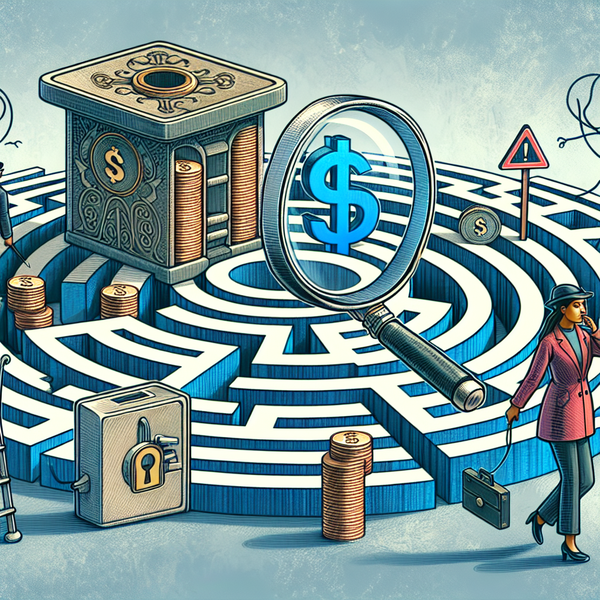

The Psychology of Overspending: Consumer Psychology and How Retailers Hack Your Brain
You walk into a store for toothpaste and leave with a new throw blanket, a seasonal candle, and a snack that you did not know existed. You open a shopping app for one quick look and suddenly your cart is full. This is not random. This is consumer psychology in action, and retailers are very good at it. Behavioral finance explains why your brain leans toward quick rewards. Clever store design and digital nudges push impulse buying. If you want to learn how retailers influence spending and how to reduce overspending, you are in the right place. If you need shopping addiction help, you will also find clear starting points here.
In this guide, we are going to map what happens in your head when you shop, show the tactics that push you to spend more, and give you simple steps that actually work in daily life. No jargon. Just useful moves you can try today.
Why Your Brain Falls for Store Tricks and Cart Traps
Overspending is not about being weak or careless. It is about how the human brain makes fast decisions in busy environments. Consumer psychology studies those mental shortcuts. Behavioral finance explores how money choices go off track when emotions run the show. Together, they explain why impulse buying feels so natural and why sticking to a plan can feel tough.
Here is the quick version of what is going on:
- Your brain loves rewards. A deal tag or a new item feels exciting. That spark can override slow, careful thinking.
- You save mental energy by using shortcuts. If a sign says Best Seller, you assume it is a smart pick. If the price ends in .99, it feels cheaper than it is.
- Context matters. Music, scents, and colors change how long you linger and how you feel. When you feel good, you spend more.
- Friction shapes behavior. One click pay makes spending easy. A pause or a password makes you think twice. Small hurdles can reduce overspending.
Retailers know all this. A store layout is not random. A website menu is not random. Checkout flows are tested again and again. The goal is simple: help you find something you like and then get you to add one more thing. Understanding how retailers influence spending gives you power. Once you see the pattern, you can protect your money and your peace of mind.
Inside the Playbook: Tactics That Drive Impulse Buying
Layouts and Flow: From Fresh Scents to the Long Walk
Walk into a grocery store. The warm lights and fresh flowers sit near the door. That is the reset zone. You slow down. You feel calm. That sets the tone for spending. Essentials like milk sit far from the entrance. You pass aisles of goodies on the way. That long path increases exposure and temptation. This is simple but effective consumer psychology at work.
More examples you will spot once you look:
- End caps with big signs: The ends of aisles hold limited time offers. These displays run deals that nudge impulse buying, even if the savings is small.
- Cross merchandising: Pasta stacked next to sauce. Batteries next to toys. The link feels natural, so an extra item slides into your cart.
- Irregular paths: Some stores bend aisles or add islands. That reduces speed and increases browsing. Browsing boosts spending.
- Sampling stations: A taste lowers your guard. Free feels generous. The social moment makes a purchase feel easy.
Online, the layout trick becomes the endless scroll. New items load and you keep swiping. You do not hit a stopping point. Banners rotate with bright themes. Related items sit right beside what you came for. One click add from the recommendation list sends cart totals higher. When you see how retailers influence spending through design, you can slow down and choose on purpose.
Pricing Psychology: Anchors, Decoys, and Charm Numbers
Behavioral finance has a famous idea called anchoring. The first number you see shapes what feels fair later. Retailers use this in several ways:
- The decoy plan: Three options appear. Basic, Standard, and Premium. The middle looks like the best value. The Premium price is high on purpose. It anchors your mind, so Standard feels smart.
- Was price vs Now price: A big crossed out number and a bold sale tag create urgency. You focus on the discount, not on whether you need it.
- Charm pricing: 9.99 feels different than 10.00. Your brain reads the leftmost digit first. It feels cheaper, even when the difference is one cent.
- Bundles: Pay a bit more to get a bundle. The set feels like a deal. You spend more than planned to avoid FOMO.
Then there are buy now, pay later options. They split the cost into small parts. That reduces the pain of paying. It also blurs the total. If you stack these plans, the monthly burden grows faster than you think. If you want to reduce overspending, keep a running tally of all those small splits. Imagine them as one number, not four tiny ones.
Coupons and points programs are another lever. They are not bad, but they are built to keep you in the loop. Points feel like free money. In truth, they are nudges to return and spend again. A clean rule helps here: if you would not buy it at full price, skip it at half price. That simple line fights impulse buying and keeps your budget intact.
Triggers and Tech: Notifications, Scarcity, and Social Proof
In digital shopping, tech is the new sales floor. Your phone buzzes. A push note says your favorite brand dropped a limited color. There are only three left in your size. A countdown clock ticks. A banner says 28 people bought this today. These are strong cues. They tap urgency and herd behavior. This is how retailers influence spending without saying please buy this.
Common triggers to watch for:
- Scarcity notes: Only 2 left or Selling fast creates pressure. You fear missing out and act now.
- Social proof: Best seller tags, high ratings, and review counts reduce doubt. They can be helpful, but they also speed up decisions.
- Email promos and app streaks: Daily drops, flash deals, and loyalty streaks make shopping a habit loop. The more touches, the more buys.
- Seamless pay: Stored cards, one click, and face sign in remove friction. You skip the pause where you might rethink.
These tools are not evil. They can help you find good stuff. But if you feel out of control, add friction back into your process. Turn off push notes. Remove saved cards. Add a 24 hour rule. These moves break the loop and reduce overspending in a gentle way.
Practical Moves That Reduce Overspending Today
Knowledge is great, but habits change your outcome. Here are simple, clear steps you can use to reduce overspending, fight impulse buying, and take back control. Mix and match what fits your life.
Set a spend plan you can live with
- Pick a weekly flex amount for fun buys. Keep it small and fixed. When it is gone, you are done for the week.
- Use a separate debit card for that flex pool. Do not link credit. Friction helps.
- If you like visuals, try envelopes or a simple tracker app. Keep it low effort.
Make a yes list and a wait list
- Before shopping, write a yes list with three items you are allowed to buy. If it is not on the list, it goes to your 24 hour wait list.
- For online items, park them in a wish list for at least one day. Most desire fades with time.
- Need vs want test: Will this fix a problem today, or is it a spike of excitement? If it is just a spike, wait.
Add healthy friction to your checkout
- Turn off one click and remove saved cards. Type details by hand. That pause can save you a lot of money.
- Set a tiny rule: no purchases with your phone. Buy only on a laptop at home. Location rules zap impulse buying.
- Block shopping apps during certain hours with a timer tool. Make shopping a deliberate act, not a reflex.
Clean up your triggers
- Unsubscribe from brand emails that tempt you. Keep only the ones you truly use.
- Silence push notes for sales and drops. Remove the buzzing hook.
- Move shopping apps off your home screen. Out of sight, out of mind works.
Use smart price habits
- Compare unit prices. A larger pack is not always cheaper.
- Beware bundles. Ask if each item is worth it alone. If not, skip the bundle.
- Set a personal anchor. Decide the most you will pay for a category before you shop. This beats retail anchors.
Practice the 1 in, 1 out rule
- For clothing, books, and decor, if one comes in, one must go out. This keeps clutter low and choices mindful.
- Take a photo of what you will donate before you buy. It makes the trade off real.
Use future you as a guide
- Ask the 30 day test for non essentials over a set price: Will I be glad I bought this a month from now?
- Check the true cost. Add care, storage, and time. A cheap item that eats time is not cheap.
- Think in hours, not dollars. If you earn 20 per hour, a 60 purchase costs three hours of work. Does that feel worth it?
Make subscriptions earn their keep
- Audit renewals every quarter. Cancel auto shipments that pile up.
- Switch to manual reorders for a month. See what you actually miss.
- Use one calendar for all renewals. Put a reminder one week before each charge.
Harness behavioral finance for good
- Automate savings on payday. Pay yourself first, then spend what is left. This flips the usual script.
- Use a fun fund. Label a savings pot for a treat you truly want. Anticipation beats random hauls.
- Make progress visible. A simple chart by your desk beats ten budgeting tabs you will not open.
Plan your environment
- Do weekly pantry and closet checks. Seeing what you own curbs duplicate buys.
- Shop with a snack and a clear head. Hunger and stress push bad choices.
- Set a time limit for stores. Browsing longer means buying more.
Use cash for problem categories
- If takeout or small decor is your weak spot, switch to cash for that category. When it is gone, it is gone.
- For online, try prepaid debit for fun spends. Cap the load each week.
When to seek shopping addiction help
- If shopping hides stress, sadness, or anxiety, you are not alone. Reach out to a counselor who understands compulsive buying.
- Look for support groups, either local or online. Sharing tools and wins helps a lot.
- Set one small goal with a friend or partner, like a no buy weekend. Check in by text to keep it light and supportive.
None of this needs to be perfect. The goal is progress. If you take three of these steps this week, you will feel a real shift. The urge to buy will still pop up, but it will not run the show.
Real World Scenarios and How to Handle Them
Let us walk through a few common traps and simple responses. This brings consumer psychology down to ground level.
The flash sale countdown
You see a timer with ten minutes left. Your heart races. The item looks great, but you did not plan for it.
Response: Take a screenshot, close the tab, and set a 24 hour reminder. If the deal vanishes, another will come. If you still want it later, you can search again. This move cuts the urgency hook that drives impulse buying.
The decoy pricing stack
A software site shows three plans. Premium is very costly. Standard looks like a sweet spot. You click fast.
Response: Step back. Make a list of what you need. If Basic meets those needs, start there. Upgrade only when you hit a real limit. This protects you from anchors and decoys.
The store maze
You go in for coffee filters and pass three themed displays. You pause and pick up extras.
Response: Shop your list in reverse. Head straight to the back for your item, then exit. Or set a ten minute timer. Short trips cut exposure to tempting zones and reduce overspending.
Buy now, pay later creep
You add three small BNPL purchases in one week. It feels tiny, but the monthly total grows.
Response: Write all active BNPL plans on one index card with the next due date and the total monthly cost. Seeing the full number fixes the mental blur that BNPL creates.
Build a Long Term System You Can Trust
Patching leaks is good. Building a simple system is better. Here is a lightweight plan that weaves in behavioral finance and keeps your stress low.
- Weekly: Set a five minute money check. Look at your flex balance and coming bills. Adjust if needed.
- Monthly: Review subscriptions and one big category. Cancel at least one thing or reduce one plan.
- Quarterly: Do a closet or pantry reset. Donate what you do not use. Make a note of gaps. Shop your gaps first.
- Yearly: Pick one habit to level up. Maybe it is a 48 hour hold for items over a set price. Maybe it is a budget date with a friend. Keep it simple.
Add one more anchor for motivation. Give your money a job that excites you. A future trip. A buffer fund for stress free months. A class you want to take. Tie your choices to that vision. It becomes easier to say no to random buys when you are saying yes to something better.
Conclusion: Make Your Brain the Boss Again
Retailers are skilled at shaping choices. They study how retailers influence spending and they act on that knowledge every day. That is not a reason to feel upset. It is a reason to get smart about your own patterns. Consumer psychology and behavioral finance show where the traps sit. Once you see them, impulse buying loses a lot of its power.
Here is the quick recap:
- Stores and sites use layout, pricing, and tech to nudge you.
- Your brain uses shortcuts. That is normal, not a flaw.
- Small bits of friction and clear rules help reduce overspending.
- If shopping feels compulsive, seek shopping addiction help. Support works.
Pick two tips from this guide and try them for one week. Maybe you set a 24 hour wait rule and remove saved cards. Maybe you build a yes list before each shop. You do not need perfection. You just need a plan that fits your life. That is how you turn the volume down on spendy urges and take control of your money story again.