
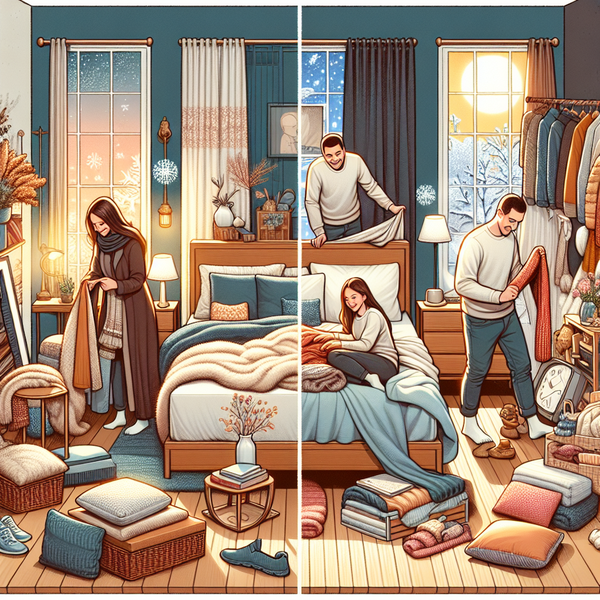
Seasonal home changes that shape a home for better sleep and a lighter mood
You know that sweet moment when the first warm day hits and your heavy blanket feels like a sauna? Or when the first chill rolls in and your bedroom feels like an ice cube tray? That is your sign to try seasonal home changes. A small shift at the right time can turn a regular space into a home for better sleep. It can also lift your mood without a big spend or a full remodel. In this guide, you will learn how to time your seasonal decor rotation, how light and sleep connect, and a handful of mood boosting home tips you can start today.
Seasonal homemaking overview for real life and real rest
Seasonal homemaking is the art of tweaking your space around the calendar. Think light layers in summer, cozy textures in winter, and a calm reset in spring and fall. The goal is simple. Make your home work with nature, not against it. When your rooms match the season, your routine feels easier. Your body sleeps better. Your mind feels lighter.
Here is why this matters. Your brain tracks light and temperature every day. That rhythm sets your energy, your hunger, and your bedtime. If your room is bright at midnight or hot at dawn, that rhythm gets confused. A few planned shifts each quarter can fix that. Seasonal decor rotation is not only about pretty pillows. It is a set of tiny switches that help you sleep deeper, wake up happier, and glide through changes in weather with less stress.
In this article, you will get:
- A simple overview of seasonal homemaking and why it boosts rest
- Three core levers to pull: light and sleep, texture and temp, and color and scent
- An action plan for each season, from storage bins to bedtime routines
- Common mistakes to skip plus budget swaps that actually work
How seasonal decor rotation works room by room
You do not need a huge budget or a truckload of new things. Seasonal decor rotation is about swapping placement, fabrics, and light more than buying everything new. Here is a quick look at how this can work across key rooms.
Living room: In summer, pull sheer curtains forward and tuck heavy drapes aside. Clear thick throws from your sofa and keep one light knit within reach. In winter, layer rugs, add a warm toned lamp bulb, and keep a basket of cozy throws near the sofa.
Bedroom: In spring and summer, use breathable sheets like percale or linen, and keep a light quilt on hand. In fall and winter, switch to flannel or sateen, add a medium duvet, and roll a heavier blanket to the foot for extra cold nights. Add blackout panels if the sun wakes you too early.
Entry: Rotate gear on hooks. Summer gets hats, light totes, and sunscreen in a small basket. Winter gets scarves, gloves, and a boot tray that actually fits under the bench. Clear the visual clutter and you clear mental clutter too.
Kitchen: Swap citrus and herb scents in warm months and lean into vanilla, clove, or cinnamon in cool months. Keep the counter as bare as possible in summer to reduce heat from appliances. In winter, a kettle and a small slow cooker are your cozy friends.
Bathroom: Lighter towels in summer dry faster and feel fresh. Plush towels in winter feel like a hug. Rotate shower curtain liners each season to keep things clean and clear.
Detailed breakdown: from light and sleep to texture and scent
Light and sleep basics that steer your daily rhythm
Your body has a clock. Light is the main dial for that clock. In the morning, bright light tells your brain it is daytime. At night, dim and warm light tells your brain it is time to wind down. Get this right and you build a home for better sleep without even trying.
Morning setup: Open blinds as soon as you can. Aim for bright, cool light in the first two hours after you wake. If your home is dim, place a bright lamp by the breakfast spot. Daytime bulbs at 4000 to 5000K feel like clean daylight and help you feel alert.
Evening wind down: Two hours before bed, switch bulbs to warm tones, about 2200 to 2700K. Think candle glow. Use table lamps and floor lamps instead of overheads. Turn down screen brightness or set a warm filter at sunset.
Night protection: Keep the bedroom as dark as you can. Use blackout curtains if streetlights leak in. A small night light with a red tone works for late bathroom trips without waking your brain too much.
Seasonal twist:
- Summer: Late sunsets can delay sleep. Close blinds earlier, switch to warm lamps after dinner, and add blackout panels if dawn hits too soon.
- Winter: Dark mornings can drag your energy down. Use a bright task lamp at breakfast or place your desk near a window. Step outside for ten minutes if you can.
Small changes in light and sleep cues can reset your energy within a week. If you have ever felt jet lag after daylight saving time, you already know how strong light timing can be.
Texture, fabric, and temperature for calm, stable sleep
Temperature swings mess with sleep. So do heavy, itchy fabrics or a mattress that runs hot. Seasonal home changes can smooth this out with a few planned swaps.
Winter setup:
- Use flannel or brushed cotton sheets for a soft, warm feel.
- Switch to a medium or heavy duvet insert. Keep an extra throw at the foot of the bed.
- Layer rugs near the bed to reduce cold floor shock.
- Set the room around 65 to 68 degrees if you can. A small space heater with a timer can take the edge off before bedtime.
- Target humidity at 40 to 50 percent. A quiet humidifier can help dry winter air.
Summer setup:
- Use percale or linen sheets. They breathe and wick moisture.
- Swap to a light quilt or a thin duvet. Keep a cotton blanket nearby for a 3 a.m. chill.
- Use a fan for white noise and airflow. Point it past you, not at you, to avoid dry eyes.
- Keep the room near 60 to 67 degrees if possible. A dehumidifier helps sticky nights.
- Choose moisture wicking mattress pads or pillows if you sleep hot.
The trick is to build a small capsule for each half of the year. One bin marked warm season. One bin marked cool season. That is seasonal decor rotation in a nutshell for your bed.
Color, scent, and tiny cues for mood boosting home tips
Color and scent are quick mood shifters. You do not need to repaint every quarter. You only need a few swappable accents. These small mood boosting home tips can make a gray day feel lighter.
Summer and spring:
- Lean into airy colors. Think soft white, pale blue, light green, or sandy beige.
- Use glass, rattan, and light wood to keep visual weight low.
- Pick citrus, mint, or basil scents. Open a window early to pull in fresh air.
- Style a simple bowl of fruit or a vase of greenery for a quick lift.
Fall and winter:
- Add deeper tones in small bursts. Rust, forest green, and plum work well in pillows and throws.
- Use chunky knits and velvet to add texture without visual clutter.
- Try vanilla, cedar, cinnamon, or clove for warmth.
- Pull lighting down to table height to make pools of cozy light.
Keep the base calm all year. Then rotate accents. That is the secret. Your home looks fresh but never busy. Your mood stays supported as the light outside shifts.
Seasonal home changes action plan you can start this weekend
Here is a step by step plan that turns ideas into a routine. Simple, fast, and repeatable.
Step 1: Build two rotation bins
- Bin A: Warm season. Light quilt, percale sheets, sheer curtain panel, light throw, citrus diffuser oil.
- Bin B: Cool season. Flannel sheets, medium duvet, heavier throw, warm bulb, cedar or vanilla oil.
- Label clearly and store where you can reach them in ten seconds.
Step 2: Map a mini calendar
- March: Spring reset. Swap to light sheets, wash throws, clean windows for brighter mornings.
- June: Summer switch. Add blackout panel if dawn is early, use warm lamps after dinner.
- September: Fall cozy. Bring out the duvet, add a rug near the bed, warm up lamp bulbs.
- December: Winter care. Add a humidifier, set a gentle space heater timer, rotate towels to plush.
Step 3: Dial in light and sleep
- Use cool white bulbs for daytime zones: desk, kitchen prep, entry.
- Use warm bulbs for evening zones: living room, bedroom, dining area.
- Program smart bulbs or use cheap plug in timers to auto switch at sunset.
- Place a small warm night light in the hall for safe trips without waking your brain.
Step 4: Shape a home for better sleep
- Set bed height so knees bend at a right angle. Easy in, easy out.
- Clear the floor path to bed. Move baskets under the nightstand, not beside it.
- Keep only one book by the bed. Clutter at night keeps your brain alert.
- Use an analog clock if screens tempt you. Place the phone to charge outside the room.
Step 5: Layer mood boosting home tips
- Open blinds within 15 minutes of waking in spring and summer.
- Start a scent ritual. Citrus in the morning, vanilla or lavender at night.
- Do a 5 minute tidy after dinner to clear surfaces.
- Keep a basket by the door for seasonal gear. Swap items as the weather changes.
Step 6: Test and tweak
- Try each change for a week. Note energy and sleep in a small notebook.
- Adjust one thing at a time: bulb warmth, blanket weight, or curtain layer.
- Keep what works. Let go of what does not. Seasonal homemaking is personal.
Common mistakes to skip and quick fixes that save time
Even small shifts can go sideways if you rush. Here are common mistakes and fast fixes.
Mistake 1: Changing everything at once
When you swap light, bedding, scents, and layout in one day, you will not know what helped. Pick one lever per week. Start with light and sleep, then move to fabrics, then accents.
Mistake 2: Ignoring storage
The swap will fail if you cannot find your bin. Store rotation bins where you actually use them. Bedroom bin under the bed. Living room bin on a closet shelf, not in the garage behind ten mystery boxes.
Mistake 3: Overdecorating for seasons
Keep the base neutral and calm. Add two or three accents per room, not ten. Seasonal decor rotation should feel like a breath out, not a party store explosion.
Mistake 4: Forgetting airflow and humidity
Stuffy rooms hurt sleep. Use a fan in summer and crack a window for five minutes in winter if safe. In very dry months, use a small humidifier at night. In sticky months, use a dehumidifier to keep the room in the 40 to 50 percent range.
Mistake 5: Bright overheads at bedtime
Warm, low lamps beat overhead lights at night. Add a dimmer if possible or use a lower watt bulb in the bedroom. Light and sleep timing matters more than you think.
Mistake 6: Heavy scents that overwhelm
Use one scent at a time and go light. Strong smells can trigger headaches. In summer, crack the window when you use citrus oils. In winter, keep the diffuser on a short timer.
Season by season playbook for a home for better sleep
Use this cheat sheet to guide your next switch. Each season has a focus, a quick bedroom tweak, and one mood lift.
Spring focus: Reset and clear
- Light: Clean windows and screens. Swap to cooler daytime bulbs in work areas.
- Bedroom: Switch to light sheets and a breathable quilt. Store heavy throws.
- Mood: Add a vase of greens. Use mint or basil in the kitchen for a fresh feel.
- Extra: Air out rugs and rotate the mattress.
Summer focus: Cool and calm
- Light: Close blinds during peak heat to keep rooms cooler. Use warm lamps after dinner to cue melatonin.
- Bedroom: Use a fan for airflow and switch to a moisture wicking pillow.
- Mood: Keep surfaces clear. Style one simple bowl of lemons or limes.
- Extra: Add a light cotton robe or a basket of lightweight throws for movie nights.
Fall focus: Soften and ground
- Light: Shorter days need layered light. Add a floor lamp near the sofa and a warm bulb by the bed.
- Bedroom: Bring back the duvet and a soft blanket at the foot. Layer a small rug by the bed.
- Mood: Switch to warm woods and a hint of rust or forest green in pillows.
- Extra: Start a short evening routine: warm tea, dim lights, one page of a book.
Winter focus: Warmth and protection
- Light: Use bright task lighting in the morning to fight low energy. Keep evenings warm and dim.
- Bedroom: Add flannel sheets, a medium or heavy duvet, and a humidifier near the bed.
- Mood: Use vanilla or cedar scent. Place a cozy throw on the sofa within easy reach.
- Extra: Keep a basket by the door with gloves and hats so mornings stay calm.
Budget friendly seasonal decor rotation that still feels rich
You do not need a cart full of new stuff. Try these low cost switches that look high impact.
- Swap covers, not pillows: Keep two sets of pillow covers for the sofa and bed. One light for warm months, one rich for cool months.
- Rotate art: Frame printables or postcards and swap them each season. Store the off season set behind the art that is up.
- Change bulb warmth: A four pack of warm bulbs costs less than a new lamp but changes the whole mood at night.
- Use natural touches: Clip greens in spring, branches in fall. Free and fresh.
- Shop your home: Move a lamp, swap a side table, or flip a rug. New placement equals new life.
Micro habits that make seasonal homemaking stick
Big changes are great. Tiny habits are better because they last. Add one habit at a time.
- Open and close timer: Open blinds in the morning and close them at dinner. Set two daily reminders for one week. Then it becomes automatic.
- Five item tidy: Each night, put away five things. Not six. Just five. You will be shocked by the impact in a week.
- Wash day rule: Wash seasonal bedding on the same day each week. Consistency keeps your bed fresh and sleep friendly.
- Evening scent cue: Start the diffuser 60 minutes before bed. Then shut it off at lights out.
- Seasonal sweep: On the first weekend of a new season, set a 30 minute timer and swap your bins. No overthinking. Just swap.
Quick checklist to build a home for better sleep in any season
- Bright, cool light in the morning. Warm, dim light at night.
- Breathable bedding in warm months. Cozy layers in cool months.
- Blackout panels if dawn wakes you too early.
- Declutter floors and surfaces near the bed.
- Humidity between 40 and 50 percent for comfort.
- Set a gentle wind down routine: lights, scent, book, bed.
Real world examples that make seasonal home changes click
Case 1: Early sunrise problem
A small city bedroom faced east. Summer sunrise hit at 5:30. The fix used three moves. A blackout roller shade behind the pretty curtain. A warm bulb table lamp for evenings. A light percale sheet set to reduce night sweats. After one week, wake time moved to 6:30 and falling asleep was easier.
Case 2: Winter blues slump
A ground floor living room felt dark in winter. The fix added a bright floor lamp near the chair for morning coffee, a mirror across from the window to bounce light, and a cozy throw basket within reach. Scent shifted to vanilla in the evenings. Mood lifted, and the afternoon crash eased.
Case 3: Hot sleeper couple
One person slept hot, the other did not. The fix split the bed. Two light twin quilts on a king. Breathable linen sheets. A fan angled past the bed for airflow and gentle white noise. Both slept through the night.
Wrap up and next steps for your seasonal switch
When you align your home with the season, you give your body and mind a break. Seasonal home changes are not about perfection. They are about smart timing. Switch light and sleep cues. Rotate bedding and textures. Add small mood boosting home tips with color and scent. That is it. Simple steps, big results.
Pick one room to start. Build two bins. Choose your first lever. Maybe light tonight, bedding next week, scent the week after. In a month, your space will feel calm and fresh. Your sleep will feel more stable. Your mood will follow. You have got this.