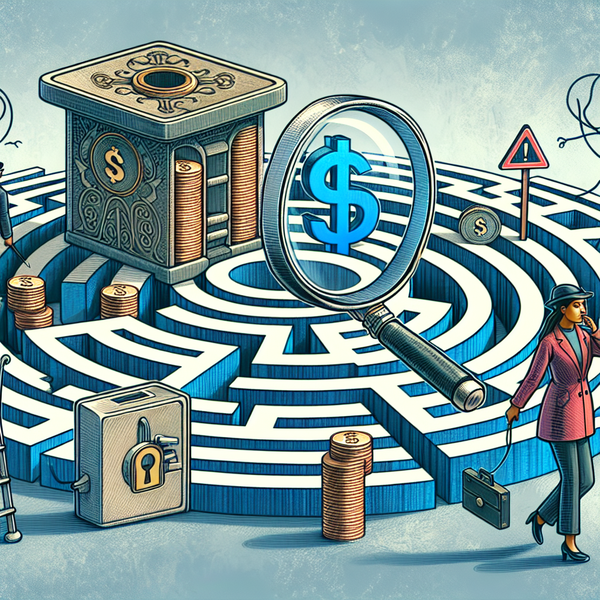

Low Risk Investments: High Return Hype vs Reality
Everyone wants calm seas and a fast ship. Bigger gains without sleepless nights sounds perfect, right? But the real question is simple. Can low risk investments really deliver high return results on a steady basis, or is that just clever marketing? In this guide, we unpack the truth behind safe investment returns. We break down risk vs return, the bond ladder strategy, high-yield savings, and how conservative portfolios work when the market acts weird. By the end, you will know what is realistic, what is hype, and how to build a plan that fits your goals.
Why Risk vs Return Still Rules the Game
There is one idea that sits at the center of investing. Risk vs return. More potential reward usually comes with more risk. Less risk usually means more modest gains. This tradeoff is not a myth. It shows up in history, in math, and in your stress levels when markets move.
So why do we hear about low risk investments that promise high returns? A few reasons:
Marketing loves a simple story. The pitch sounds great because it suggests you can have it all. In real life, costs, taxes, fees, and inflation still matter.
Timing can fool you. In some periods, safe assets do very well. For example, when interest rates rise, high-yield savings and new bonds can look strong. That does not mean the good times will last or apply across every cycle.
Risk wears many masks. People think risk means prices falling. But there is also inflation risk, interest rate risk, credit risk, and the risk of missing growth. Each type hits your money in different ways.
Safe investment returns are not free money. They are the result of tradeoffs that you choose on purpose. Once you see those tradeoffs, smarter choices become easier.
Bottom line: Aim to match your return goals to your true risk tolerance and time horizon. You do not need to chase big wins to hit your targets. You do need a plan that respects the rules of risk vs return.
Detailed Breakdown of Real World Safe Investment Returns
Let us dive into what people often call safe. We will look at how they work, where they shine, and where they fall short. The goal is clarity, not hype.
Bond Ladder Strategy for Steady Income
A bond ladder strategy spreads your money across bonds with different maturity dates. Think of it as steps on a ladder. One rung matures in one year, the next in two years, and so on. When a bond matures, you get your principal back and can buy a new bond for the last rung. This creates rolling income and reduces the guesswork around interest rates.
Why people like it
- Predictable cash flow: You know when each bond pays interest and returns principal.
- Interest rate defense: If rates rise, you will reinvest maturing bonds at higher yields over time.
- Custom fit: You can shape the ladder to match future needs, like tuition years or a home down payment.
What to ladder
- Treasuries: Backed by the U.S. government with very low credit risk.
- FDIC insured CDs: Bank certificates with insurance protection up to limits. Useful for shorter ladders.
- Investment grade corporate bonds: More yield than Treasuries, but with some credit risk.
- Municipal bonds: Potential tax benefits for those in higher tax brackets. Check local rules.
Common missteps
- Overreaching for yield: Stretching into long maturities or lower credit quality can add more risk than you expect.
- Ignoring taxes: Tax treatment varies. A tax aware ladder can beat a higher yield that is fully taxable.
- Skipping diversification: One issuer or one sector is a fragile bet. Spread across types and maturities.
A quick example
Imagine a five rung ladder with maturities at one, two, three, four, and five years. Each rung holds 20 percent of your bond allocation. As the one year bond matures, you reinvest into a new five year bond. Over time, you ride the rate cycle without trying to guess the perfect moment to buy or sell. This is the quiet power of a bond ladder strategy.
High-Yield Savings and CDs for Liquidity
High-yield savings accounts and CDs are the utility players of low risk investments. They are boring. That is the point. They keep cash safe, easy to reach, and earning more than a basic checking account.
Why they matter
- FDIC or NCUA insured: Protection up to legal limits for bank and credit union accounts.
- Liquidity: High-yield savings lets you move money fast. CDs offer higher rates in exchange for time locks.
- Rate cycles: When rates rise, online banks often move fast and pay more.
Using them well
- Emergency fund first: Build three to six months of expenses before chasing returns.
- CD ladder: Similar to bonds, you can ladder CDs to lock in higher rates while keeping rolling access to cash.
- Watch the fine print: Some banks use teaser rates. Check fees, minimums, and withdrawal rules.
Limits to know
- Inflation risk: Even high-yield savings can fall behind inflation in some years.
- Rate resets: Yields change. Do not plan long term goals on a temporary spike in rates.
- Tax drag: Interest is usually taxed as ordinary income. Hold in tax advantaged accounts when possible.
Used right, high-yield savings and CDs are the bedrock of safe investment returns. They are not flashy. They are sturdy. That is a feature, not a bug.
Conservative Portfolios That Balance Growth and Calm
Many folks want more than cash yields but less drama than a full stock portfolio. Enter conservative portfolios. These mix stocks, bonds, and cash to aim for smoother rides while still growing over time.
Core building blocks
- Short duration bonds: Less sensitive to rate changes, often a better fit for near term goals.
- High quality bonds: Treasuries and investment grade corporates form a steady base.
- Dividend stocks: Blue chips with stable payouts can add income, but they still carry equity risk.
- TIPS: Treasury Inflation Protected Securities can help with purchasing power.
- Cash sleeve: Adds flexibility for rebalancing and spending needs.
Example mix
A common conservative allocation might be 30 to 50 percent stocks and 50 to 70 percent bonds and cash. The exact split depends on your time horizon, income needs, and comfort with swings. The goal is not to beat the market. The goal is to meet your plan with the least stress.
How it earns
- Income: Interest from bonds and dividends from stocks.
- Rebalancing: Trim what rises, add to what falls. This can capture gains and control risk.
- Patience: The mix smooths volatility over cycles, which helps you stay invested.
Common mistakes
- Chasing last year: Overweighting what just worked invites pain when the cycle turns.
- Ignoring costs: High fees are a certain drag. Control what you can control.
- No plan for withdrawals: If you need steady income, map out a spending policy and keep a cash buffer.
Conservative portfolios are not magic. They are a tool that can produce steadier, safer investment returns if you build and maintain them with care.
Practical Tips to Build Conservative Portfolios
Want a clear path you can follow? Use these steps to design a plan that leans on low risk investments while respecting risk vs return.
- Start with goals: Name each goal and its deadline. A home purchase in two years needs safety. Retirement in twenty years can handle some swings.
- Set the right buckets: Short term goals in high-yield savings or a CD ladder. Mid term goals in a bond ladder strategy with some short duration funds. Long term goals in a conservative mix with a slice of stocks.
- Build a bond ladder: Choose quality first. Spread across maturities. Reinvest matured bonds to the tail of the ladder.
- Use cash with intent: Keep an emergency fund. Add a cash sleeve for two to three years of planned withdrawals if you are retired.
- Choose low cost funds: Favor index funds or ETFs with low expense ratios for bonds and stocks.
- Mind taxes: Place taxable bonds in tax advantaged accounts when possible. Consider municipal bonds in taxable accounts if you are in a high bracket.
- Automate contributions: Set monthly transfers to savings and investments. Small steps stack up.
- Rebalance on a schedule: Once or twice a year is enough for most people. Keep bands around targets, like plus or minus 5 percent.
- Stress test your plan: Ask what happens if rates fall, stocks drop 20 percent, or inflation rises. Adjust your mix to sleep well at night.
- Do not overreach: If a product promises high return with no risk, pause and read the fine print again.
These steps will not promise perfect outcomes. They do give you a repeatable process to pursue safe investment returns with eyes open.
How to Set Realistic Return Targets Without Guesswork
Setting targets is part art, part math. You do not need a complex model to get close.
- Cash and high-yield savings: Expect yields to move with interest rates. Great for safety and short term needs.
- Short term bonds: Often a bit more than cash, with small price swings.
- Core bond funds: Can deliver steady income over time, but prices can move when rates change.
- Conservative portfolios: Historically offer moderate returns with lower volatility than all stock portfolios.
Inflation check
Real returns matter more than nominal returns. If inflation runs at three percent and your account earns four percent, your real gain is about one percent before taxes. This is why conservative portfolios may include a small equity slice or TIPS. The goal is to preserve and gently grow purchasing power.
Sequence risk for retirees
If you plan withdrawals, the order of returns matters. A bad market early in retirement can hurt a lot. A cash buffer and a flexible withdrawal plan can reduce that risk. This is one more reason to use a bond ladder strategy and a cash reserve for near term spending.
Where Low Risk Investments Fit in a Bigger Plan
Low risk investments do best when each dollar has a job. Here is a simple way to assign roles.
- Cash and high-yield savings: Buffer for emergencies and near term expenses.
- CDs and short bonds: Known dates for known needs, like tuition or a car purchase.
- Core bonds: Income engine and ballast for conservative portfolios.
- Equities in a small dose: Growth kicker that helps fight inflation across decades.
This mix respects risk vs return. It is not about finding a unicorn investment. It is about building a system that makes sense for your timeline and nerves.
Red Flags When You Hear Safe and High Return in One Sentence
Not every safe pitch is what it seems. Watch for these signals.
- Vague promises: Pitches that skip how the return is generated.
- Illiquid products: If you cannot exit easily, that is a form of risk.
- Complex fee layers: Structured notes or exotic funds can hide big costs.
- Non transparent credit risk: Private debt can pay more, but you may not know the real risk until it is too late.
- Guaranteed language without details: True guarantees have a named guarantor, clear terms, and limits.
If something sounds too good to be true, slow down. Ask how, ask who, and ask what can go wrong. Safe investment returns come from understanding the mechanics and the tradeoffs.
Case Style Scenarios to Make It Real
Short horizon saver
Jamie wants to buy a home in 18 months. The plan: keep the down payment in high-yield savings and a 6 month CD ladder. Result: liquidity plus a bit more yield, with very low risk.
College planner
Sam needs tuition money over the next four years. The plan: build a four rung bond ladder strategy with Treasuries matching each semester date. Result: steady cash flow and protection from big market swings.
Near retiree
Avery is five years from retirement. The plan: shift to a conservative portfolio with 40 percent stocks, 50 percent bonds, and 10 percent cash. Add a two year cash buffer for future withdrawals. Result: better sleep and a clear spending runway.
These are not cookie cutter answers, but they show how low risk investments can anchor different stages of life.
Simple Checklist Before You Invest a Dollar
- Define the goal: What is this money for and when will you need it.
- Pick the right bucket: Cash, short bonds, core bonds, or a conservative mix.
- Check the yield vs risk: Compare after tax yields. Look at credit quality and duration.
- Know the costs: Expense ratios, spreads, early withdrawal fees.
- Plan for taxes: Placement matters. Use tax advantaged accounts when possible.
- Set automation: Auto transfers and auto reinvestment reduce friction.
- Schedule review dates: Put rebalancing and rate checks on your calendar.
Final Thoughts on Low Risk Investments
Low risk does not mean no risk. High return without risk is not a plan. The truth sits in the middle. When you match tools to timelines, you give yourself a great chance to grow wealth in a steady, sane way.
Here are the big takeaways:
- Risk vs return is a real tradeoff: Respect it and your plan will make sense.
- Use a bond ladder strategy: It turns interest rate noise into a steady rhythm.
- Lean on high-yield savings: Cash that pays is gold for emergencies and near term goals.
- Build conservative portfolios: Mix assets to balance calm and growth.
- Focus on process, not predictions: A simple, repeatable process beats guesswork.
You do not need a perfect forecast to win with safe investment returns. You need a clear goal, the right tools, and the patience to stick with the plan. Start small, keep costs low, and let time do the heavy lifting.