Little Known Decluttering Tricks Marie Kondo Will Not Tell You
Meta Description: Discover fresh decluttering tricks and Marie Kondo alternatives with simple minimalism tips, keep vs discard clarity, and home organization hacks to declutter fast.
Decluttering tricks that actually work at home
You can tidy for hours and still feel stuck. I have been there. So let us flip the script. This guide shares refreshing decluttering tricks that slide past decision fatigue and make space right away. Expect a mix of Marie Kondo alternatives, practical minimalism tips, and quick ways to declutter fast without guilt. You will learn how to make keep vs discard calls with zero drama and how to use smart home organization hacks that suit real life, not a show home.
Smart Marie Kondo alternatives for real life
Why this matters: Not everyone connects with the spark joy test. Emotions shift day to day. Your schedule shifts too. You need flexible moves that do not depend on a mood or a marathon weekend. These Marie Kondo alternatives lean on clear rules, tiny wins, and simple systems that hold up under stress.
What we will cover: First, a quick overview to ground your plan. Then, a detailed breakdown with specific moves. Finally, a set of concrete steps you can run today. Along the way, I will flag common mistakes and small course corrections that save hours later.
Section 1: Overview of the main topic
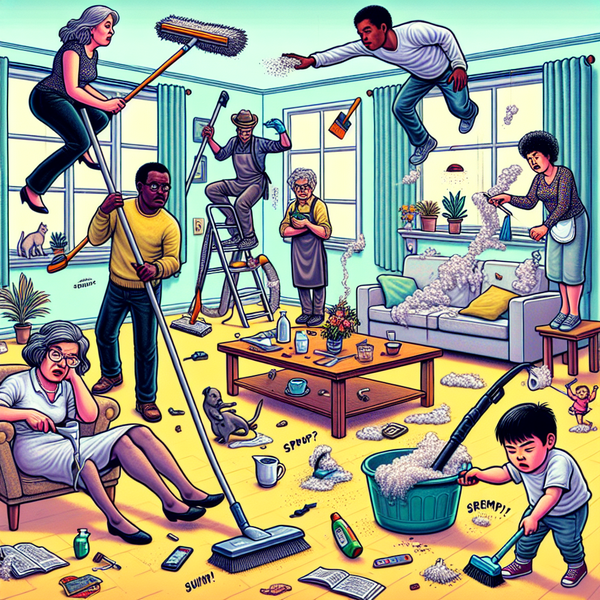
Clutter grows in silence. One drawer, one shelf, one missed inbox sweep at a time. When it piles up, standard advice can feel too slow or too strict. You need decluttering tricks that fit short windows and messy feelings. That is the heart of this guide. It is about building small, repeatable habits and using simple cues to decide fast. It blends the best of minimalism tips with realistic home organization hacks that survive busy weeks, guests, and late night snack runs.
The core idea: Reduce decisions and reduce friction. That way you move faster with less stress. Decisions shrink when rules are clear. Friction drops when tools sit where you use them. Together, those two levers help you declutter fast and keep it that way.
Benefits you will notice:
- More space on surfaces and in your head
- Fewer lost items and fewer oops I bought it twice moments
- A room that looks tidy after a two minute reset
- Energy to start creative or family tasks
Section 2: Detailed breakdown
Subsection 1: The two lane rule for keep vs discard
This is a calm alternative to the spark joy test. Set up two lanes on your table with painter tape or two towels.
- Lane A is Keep for Now
- Lane B is Discard or Donate
How it works: Pick up each item once. Ask two quick questions: Did I use it in the last 90 days, and will I use it in the next 90 days? If you feel a strong yes to either, it goes to Lane A. If not, and it is not a legal doc or a seasonal tool, Lane B. No middle pile. No maybe. Your brain loves a binary choice. This cuts decision fatigue in half.
Example: A second set of measuring cups. In the last 90 days, you used one set. The back up barely moved. Next 90 days, you have the same cooking rhythm. That extra set slides to Lane B. No guilt. Someone else will use it.
Bonus filter for clothes: Turn hangers backward at the start of a season. Each time you wear an item, turn the hanger forward. At the end of the season, anything still backward goes straight to Lane B unless it is formal wear with a clear date on the calendar.
Common mistake to avoid: Parking a maybe box in a closet. That is how clutter finds new roots. If you must use a probation step, write a date on the box that is 30 days out. No open ended storage.
Subsection 2: The four minute flow to declutter fast
Speed is your friend. Long sessions cause burnout. Short sprints build momentum.
Try this flow:
1. Set a timer for four minutes. Not five. Four feels light and easy.
2. Pick a micro zone the size of a placemat. A nightstand, one shelf, one drawer.
3. Run the two lane rule for the items in that micro zone.
4. End by restoring the space. Wipe, line things up, and breathe out.
Do it twice a day for a week and you will clear seven to ten small zones. That is a clear path on a desk, a tidy bathroom counter, and a calm coffee station. Short wins = steady wins. This is one of those home organization hacks that sticks because it respects your time.
Variation for families: Put on one song. Everyone clears their micro zone until the song ends. Use the chorus as a reset cue. It becomes a game, not a chore.
Subsection 3: Invisible clutter and the 3D test
We all know visible clutter. But there is invisible clutter too: long cords, apps on page three, old subscriptions, and stale food in the back row. Use the 3D test: Date, Duplicate, and Distance.
Date: When did I last use this or check it? If the answer is more than six months, it is a candidate to go.
Duplicate: Do I have another that does the same job? Keep the best and let the rest go.
Distance: Is it stored near the spot where I use it? If not, it adds friction. Move it closer or release it.
Example: Kitchen gadgets. You own two bottle openers and three wooden spoons. You reach for the same opener and the same spoon every day. The rest fail the Duplicate step. One opener and one extra spoon is enough. Donate the rest.
Expert angle: Distance kills habits. Keep dog leashes by the door. Keep batteries near remotes. Keep pantry snacks at eye level. Tool and task should be neighbors. This is one of the most overlooked minimalism tips because it sounds too simple. Yet it prevents future clutter from forming in the first place.
Subsection 4: The container cap method
Limits are your silent coach. Pick a small, fixed container for categories that sprawl: socks, skincare, spices, or craft supplies. You keep only what fits with a little breathing room. When the container fills, you run keep vs discard again. No extra bins, no overflow zones. You set the boundary once, and the boundary makes choices for you later.
Good sizes to start:
- A shoe box for backup cords
- A quart jar for pens
- A small caddy for shoes by the door
- A narrow tray for keys and mail
Watch out: Buying more containers is not decluttering. Containers are brakes, not excuses. Use a cap you already own before you shop for anything new.
Subsection 5: The pre commit discard routine
Decisions are smoother when you decide before the moment. Pre commit to discard or donate on a weekly cadence. Every Sunday night, put one item in a tote by the door. Shoes that pinch, a pan that sticks, a puzzle the kids outgrew. Next morning, the tote goes with you to your car or to the lobby for pickup. One item per week equals 52 items per year. If you add one item per family member, the math gets even better.
Subsection 6: The one touch paper rule
Paper piles grow fast. Bills, flyers, school forms. Try one touch. When you touch a paper, do one of these actions:
- Snap a photo and file it in a date named album
- Pay or act, then toss
- Recycle on the spot
- File in a thin action folder labeled This Week
Keep a shredder, recycle bin, and a pen within reach. That lowers friction. Aim to end each day with a clear kitchen counter. This is a small act with a big mood boost.
Subsection 7: Seasonal sprints with exit routes
Plan four seasonal sprints. Spring, summer, fall, winter. Each sprint lasts one weekend day or two weeknights. Make an exit plan first: charity hours, bulk pickup dates, or reseller apps you already use. Set that before you start. When you know items will leave the house within 48 hours, you act faster and avoid backslide.
Focus zones by season:
- Spring: garage and entry gear
- Summer: toys and outdoor stuff
- Fall: closets and pantry
- Winter: digital files and photos
Minimalism tips that help you declutter fast today
Section 3: Application and practical steps
Use these steps to lock in progress and keep it simple. These are light, repeatable, and friendly to busy routines. Mix and match as needed.
Daily two minute resets
- Pick one hotspot. Clear it in two minutes.
- Return items to their home. If an item has no home, give it a home or let it go.
- Set a tiny reward. Tea, a song, a stretch.
The 10 by 10 challenge
- Find 10 items to release in 10 minutes.
- Use the two lane rule. No hesitation.
- Load them straight into the trunk or by the door for pickup.
Set up three stage drop zones
- Stage one: a small tray for keys and mail. This prevents spread.
- Stage two: an action folder for bills and school notes.
- Stage three: a bin labeled Out. Donations live here for no more than one week.
Use visible labels you can read from six feet
- Big block letters beat fancy fonts.
- Label the shelf, not just the bin. That way items return to the same spot.
- Color code by room or person if that helps.
Adopt the one in, one out habit
- Buy a new hoodie, release an old one.
- New mug in, one mug out.
- This single habit keeps the container cap honest.
Practice five minute family sweeps
- Set a timer. Everyone clears their own micro zone.
- Put on a playlist to keep it light.
- End with a group high five. It signals done and builds buy in.
Upgrade the hard to reach spots
- Use lazy susans for corners and deep shelves.
- Install a simple hook rail behind doors for bags and hats.
- Put a low basket by the stairs for items that need to go up or down. Empty it at night.
Make decisions once with cheat sheets
- Create a keep vs discard cheat list. Socks with holes, expired sunscreen, promo water bottles, extra cables with no matching device. These go by default.
- Tape the list inside a cabinet or on your closet door.
- When you see an item on the list, you do not need to think. Action happens fast.
Set friction traps for impulse clutter
- Unsubscribe from two marketing emails per day.
- Move shopping apps off your home screen.
- Put a wish list buffer in notes. If you still want the item in 30 days, reconsider it then.
Build an exit lane for donations
- Schedule monthly pickup with a local charity.
- Keep a printed list of hours for drop off spots.
- Pre print a few address labels for resale mailers if you ship items.
Use the Sunday sweep for digital clutter
- Delete five photos, five old files, and five unused apps each Sunday.
- Clear your desktop to one row of icons.
- Archive email newsletters into a single Read Later folder. If you do not open them for two weeks, unsubscribe.
Room by room mini guides
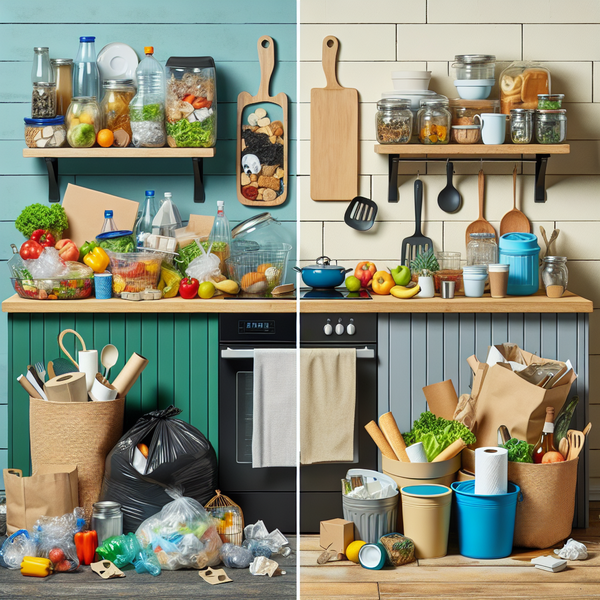
Kitchen: Keep counters clear except for daily drivers: coffee maker, knife block, and a small fruit bowl. Store gadgets by job, not by brand. A bin for baking tools, a bin for prep tools. Label shelves so guests can help put things away. This is a high leverage home organization hack that keeps the heart of the home calm.
Living room: Limit decor to odd numbers. Three items per surface looks intentional. Hide remotes in a shallow tray. Use a lidded basket for throws. The container cap keeps it tidy without effort.
Bedroom: Clear nightstands first. Better sleep starts there. Use a small dish for jewelry and a book slot for the current read. Keep laundry baskets where you change clothes. Simple placement prevents floor piles.
Bathroom: Put duplicates in a travel kit. That frees shelf space. Use a magnetic strip inside the cabinet for tweezers and small tools. Replace the old stash of hotel bottles with one good soap you love.
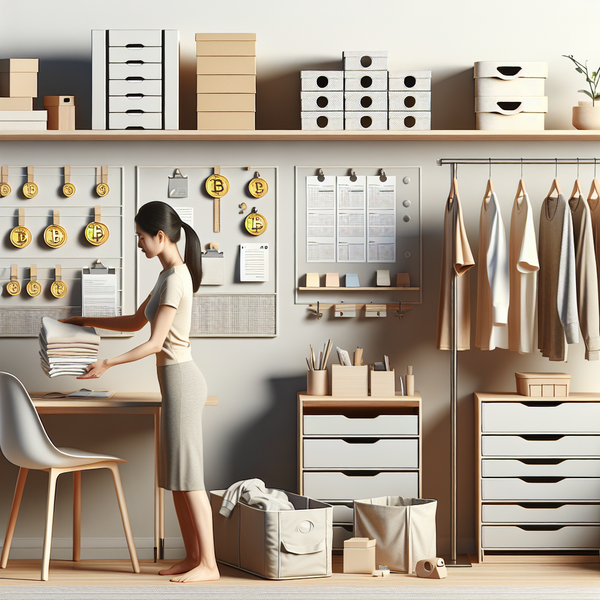
Closet: Sort by activity. Work, workout, lounge, dressy. Then sort by color within each group. It speeds mornings and makes gaps visible. Run the hanger test each season to keep the flow clean.
Kids room: Lower the bar. Literally. Place hooks and bins at kid height. Label with picture icons. Rotate toys so fewer are out. Less out equals deeper play and easier resets.
Entry: Use a simple rule: two pairs of shoes per person, max, by the door. Everything else lives in closets. Add a catch all tray for pocket items. Empty the tray each night.
Garage: Vertical wins here. Install a pegboard for tools and a bike hook if possible. Zone by activity: garden, sport, repair. Keep a donation bin right by the garage door to feed your exit lane.
Mindset resets that keep progress going
- Stuff is not a scrapbook. Take a photo and release the item.
- Future you is busy. Keep only what present you can maintain.
- Broken is a decision. Fix it this week or let it go.
When to ask for help
- If the task feels heavy, invite a friend for a 60 minute sprint.
- Hire a local organizer for a jump start session. Ask for systems, not just a tidy room.
- If clutter ties to grief or trauma, bring in a counselor to support you as you work. Slow is okay.
Conclusion: Make space for what matters
Decluttering does not have to be a strict ritual or an all day event. With clear rules like the two lane keep vs discard method, tiny sprints, and steady exit routes, you can declutter fast and stay that way. The beauty of these Marie Kondo alternatives is that they flex with your life. Mix in a few simple minimalism tips and lean on easy home organization hacks. The result is a home that resets in minutes and a mind that feels light and open.
Pick one micro zone right now. Set a four minute timer. Run the two lane rule. Then enjoy the quiet your space just made for you. That is how change sticks, one light step at a time.