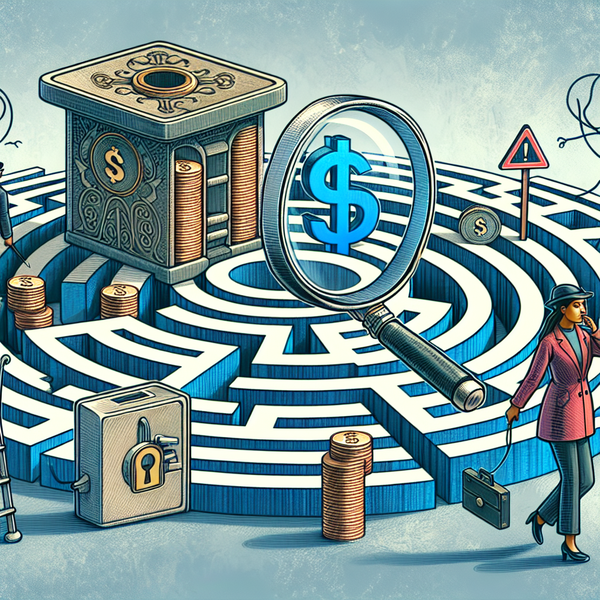

Is the FIRE movement 2025 still possible for beginners
Headlines keep saying the dream is over. But is it really? The FIRE movement 2025 still shows up in Reddit threads, Discord chats, and kitchen table plans. People still want financial independence in 2025, and for good reason. Life feels calmer when money is a tool, not a boss. If you are new to FIRE, or you stepped away during the wild years of inflation and rate hikes, this piece is your reality check. We will unpack what has changed, what still works, and how to map your next step with retire early strategies that fit the new world.
Here is the short version of what you will get: a quick overview of where FIRE stands now, a clear breakdown of the new playbook for saving and investing, and a pile of practical ideas you can use today. We will also walk through a sample plan with a FIRE calculator, look at side hustles for FI that still pay in 2025, and list simple passive income ideas you can start without a huge bankroll.
Financial independence 2025 overview and why it still matters
The economy looks different than it did five years ago. Housing is expensive in many cities. Wages rose for many fields, but not evenly. Rates are higher than the zero rate era, which changes the math on bonds, savings accounts, and what safe income looks like. Markets had big ups and downs. It feels messy, but there is a silver lining for anyone chasing FIRE.
Here is the shift: you can now earn a real yield on safe money again. Cash and short bonds often pay more than they did in the last decade. That makes your early game more forgiving. At the same time, higher living costs force sharper choices. You cannot coast your way to financial independence in 2025. You need a plan you can adjust, and the guts to stick with it.
So is FIRE still possible? Yes, if you define your version, not the internet version. Classic FIRE said cut your costs to the bone, invest the rest, and pull 4 percent from your stash forever. That still works in spirit, but the details need an update. Some folks aim for Lean FIRE. Others like Coast FI, where early savings grow on autopilot while you work on things you enjoy. Still others prefer Barista FI, where a lighter job covers health care while investments fund the gap. All of these paths sit under the same umbrella: more control over time and money.
Here is what has not changed: your savings rate still matters more than fancy stock picks. Broad, low cost investing still beats most hot takes. Flexibility beats rigid rules. Your money plan must reflect your real life, not someone else grind.
Retire early strategies and the new playbook for beginners
Time for the nuts and bolts. This section breaks down how to get from today to your number with retire early strategies that match 2025. We will cover three pieces: your savings engine, your investing approach, and your risk plan. You will also see a simple example using a FIRE calculator so you can plug in your own numbers later.
Subsection 1: The savings engine that powers your plan
When people think FIRE, they picture the big portfolio. But the first lever is your savings rate. That is the percent of take home pay you keep after covering life. Higher is better, but you do not need an extreme number if you combine smart income moves with strategic spending.
Two levers shape your savings engine:
1) Reduce fixed costs that do not bring joy. Think housing, cars, subscriptions. House hack with a roommate or rent a smaller place near transit. Drive a reliable used car and keep it maintained. Cancel stuff you do not use. These changes stack up fast.
2) Grow income with targeted moves. Ask for raises with a clear case. Switch to roles with better pay or skill paths. Spin up side hustles for FI that fit your schedule and skills. A short term sprint can transform your long term plan.
Mini case: Sam and Lina rent a one bedroom for 2,200 per month. They move to a two bedroom with a roommate for 2,600 total, so their share drops to 1,300. They also sell a second car they barely use and cut 400 per month in insurance, gas, and payments. Result: around 1,300 per month freed up. They channel it into investments and a high yield cash buffer. That one choice can cut years off their timeline.
Now, let us plug numbers into a FIRE calculator to see the path. Say your yearly spending target at FI is 40,000. Using a cautious 3.5 percent withdrawal rate, your FI number is about 1,143,000. If you invest 3,000 per month at a 5 percent real return, the calculator shows you need roughly 20 years. Add a side income that lets you invest 4,500 per month, and the timeline drops near 15 years. The point is not to predict the future to the decimal. It is to steer your decisions with a simple map you can update.
Key tip: revisit your FIRE calculator inputs every quarter. Update spending, savings, and returns. Treat it like a dashboard, not a rigid contract.
Subsection 2: Investing in 2025 and passive income ideas that still work
Your investments do two jobs. They grow your stash and, later, they pay you. In 2025, you have more ways to get paid while managing risk. Keep it simple and low cost. Complexity rarely boosts returns enough to justify the stress.
Core portfolio ideas:
1) Broad stock index funds. Use total market or S and P 500 funds with tiny fees. They offer growth, simplicity, and tax efficiency. They are the backbone for most FIRE folks.
2) Bonds with real yield. A mix of short and intermediate term funds can smooth the ride. In 2025, bond yields can provide ballast and income without wild swings.
3) Global diversification. Add a global ex US fund to spread risk. It does not always win, but it can help over decades.
4) Tax advantage accounts first. 401k or similar plans, IRAs, and HSAs where available. These can supercharge compounding. If early access worries you, learn about rule 72t, Roth contributions basis, or the mega backdoor pipeline. These legal paths can unlock funds when you need them.
Passive income ideas to consider:
- Dividends from broad ETFs. Do not chase yield alone. Pair yield with quality, diversity, and low fees.
- Treasury ladder. Stagger short term Treasuries so some mature every month or quarter. This can build a steady cash stream with low risk.
- High yield savings or CDs for your near term needs. Boring, but useful.
- REITs for real estate exposure without the hassle. Keep position sizes modest to manage risk.
- Digital products. Once built, ebooks, templates, or simple online courses can sell for years with light upkeep.
- Print on demand. Design once, let the platform fulfill orders. Test niches before going all in.
Side hustles for FI that fit real life:
- Local services with fast cash flow: mobile car wash, lawn care, pet sitting, tutoring, or fitness coaching. These can start this weekend with low startup costs.
- Skilled freelancing: design, writing, coding, video editing, bookkeeping. Use platforms to find clients, then move off platform for better margins.
- Reselling and flipping: source from estate sales, thrift shops, or auctions. Start small, learn what moves, and reinvest profits.
- Micro SaaS or no code tools: solve one painful problem well. Charge monthly. Keep features small and support tight.
- Content with a product angle: newsletter or channel that points to a paid guide, template, or course. Aim for trust and useful help, not clickbait.
These are not get rich quick plays. They are steady levers that can add 500 to 2,000 per month. That extra savings, invested, shortens your runway.
Subsection 3: Risk management, safe withdrawals, and common mistakes
FIRE is not about perfection. It is about margins and flexibility. Here are the big risks and how to plan for them in 2025.
Sequence of returns risk: This is the chance that markets slump right when you start withdrawals. It hurts more at the start than later. Two ways to soften it: keep two to three years of core expenses in cash or short bonds, and allow flexible withdrawals. For example, cut spending by 5 to 10 percent in rough years, then raise later when markets recover.
Safe withdrawal rate: The classic 4 percent rule came from specific data and a 30 year window. Early retirees face longer horizons. Many people today aim for 3.25 to 3.75 percent to add safety. You do not need the perfect number. You need a range and a plan to adjust.
Health care and insurance: For many in the United States, this is the beast. Build it into your number. Look at marketplace plans, part time roles with benefits, or Barista FI paths. Consider term life and disability insurance during the build phase if others rely on your income.
Housing risk: Rates and rents swing. If you own, maintain a healthy buffer for repairs and vacancies if you rent out a room. If you rent, plan for realistic rent growth in your calculator.
Tax surprises: Taxes can eat more than you think, especially when harvesting gains or Roth converting. Learn the basics of tax brackets and how dividends and gains are taxed. Use tax advantage accounts to your benefit. A bit of planning here saves thousands.
Common mistakes to avoid:
- Chasing high yield stocks or crypto as a shortcut. Risk and return are linked. Quick wins can reverse fast.
- Ignoring fees and taxes. Low cost funds and smart location matter more than hot tips.
- Setting a lifestyle floor that keeps rising. Your future freedom depends on your future costs. Let spending drift up only when you can do so safely.
- Trying to do everything at once. Pick one or two levers. Nail them. Then add more.
- Never revisiting your assumptions. Your FIRE calculator is a living tool. Update it as life changes.
Practical tips you can use this week
1) Define your FI number two ways: a lean version and a comfortable version. Use a 3.5 percent withdrawal rate for a cautious estimate. If you need 50,000 per year, your comfortable target is about 1,430,000.
2) Run your numbers in a FIRE calculator. Set three return cases: cautious, base, and optimistic. Plan with the base case and stress test with the cautious one.
3) Automate your savings. Send money to investments the same day you get paid. Remove friction and you remove excuses.
4) Cut one fixed bill this month. Renegotiate insurance, switch phone plans, or cancel a dead subscription. Redirect that cash to your brokerage or IRA.
5) Pick one side hustle for FI and give it 30 days. Track hours, revenue, and what you learned. Keep or cut based on data, not vibes.
6) Build a simple treasury ladder for your emergency fund. For example, split six to nine months of expenses across 4, 8, and 13 week bills. Roll them on repeat.
7) Keep investing simple. Use two or three index funds and a set stock to bond mix. Rebalance once or twice a year or when it drifts by more than 5 percent.
8) Protect the downside. Keep an emergency buffer. Carry the right insurance. Avoid high interest debt at all costs.
9) Invest in skills that raise your rate. A short course that boosts your hourly pay by 10 dollars can beat a year of latte cuts. Funnel the raise straight to investments.
10) Plan for health care early. Price marketplace plans, employer options, and clinics in your area. Test medical tourism options for big procedures if that fits your comfort and care needs.
11) Create a simple one page plan. Include your FI number, savings rate target, allocation, and your top three passive income ideas. Put it where you see it daily.
12) Schedule a quarterly money date. Update your FIRE calculator inputs, net worth, and spending. Celebrate progress, then adjust next steps.
How a beginner might reach FI with clear retire early strategies
Let us pull it all together with a clean example. Imagine you are 29, making 80,000, bringing home about 4,800 per month after taxes and benefits. Your current spending is 3,800. You save 1,000 each month, plus a 4 percent 401k match. You want financial independence in 2025 terms that fit new realities. Your target spending at FI is 42,000 per year. Using 3.5 percent, your FI number is about 1,200,000.
Step 1: Cut housing by 400 with a roommate or a move. Step 2: Add a weekend tutoring side hustle that nets 600 per month. Step 3: Ask for a raise with a two page case, move to a similar role at a new employer if needed, and net another 400 per month after tax.
Now your monthly savings can jump from 1,000 to around 2,400. Invest it in a simple mix like 70 percent total stock market, 20 percent total bond market, 10 percent international. Keep fees low. Let dividends reinvest. With a 5 percent real return, your FIRE calculator shows about 17 years to your number. If your side hustle grows to 1,200 per month and raises stack, you could compress that to 12 to 14 years.
What about safety? Keep a year of core expenses in cash and short Treasuries when you are within five years of your target. Practice living on 42,000 for a few months now so there are no surprises later. In down years, trim flexible spending by 5 to 10 percent and pause big travel. In strong years, refill the buffer or handle delayed home projects.
Optional twist: Aim for Coast FI by stacking 200,000 by your mid 30s. Then move to a lower stress role that covers your target lifestyle while your stash compounds. You might reach full FI later without sacrificing health or relationships now.
Real talk on mindset and motivation
Numbers matter, but so does your mindset. Progress feels slow in the beginning. Then the curve bends, and momentum takes over. Here are a few anchors that help people stick with it:
- Focus on systems, not streaks. Automate, calendar, and check in. Let habits carry you when motivation dips.
- Use community. Join a local meetup or an online group. Share wins and roadblocks. Friendly accountability works.
- Design your joy. Cut spending that does not add to your life. Keep or add the things that do. FIRE is not a misery contest. It is a values exercise.
- Choose patience over prediction. You do not need to time the market. You need to stay the course.
Frequently asked questions about the FIRE movement 2025
Does higher inflation kill FIRE? Not if you plan for it. Use a cautious withdrawal rate, invest in assets that outpace inflation over time, and keep a flexible budget.
Are passive income ideas still worth it? Yes, but quality matters. Go for simple, repeatable systems with real demand. Avoid hype and focus on margins.
What about buying a rental now? Run the math with high rates and realistic costs. If cash flow works after repairs, vacancy, and management, it can help. If not, wait or explore REITs while you learn.
Is 4 percent still safe? For a 30 year window, it may be fine. For a 50 year early retire, many choose 3.25 to 3.75 percent with flexibility. Model both in your calculator.
What is the best FIRE calculator? The best one is the one you will use. You need fields for savings, returns, inflation, and withdrawals. Save your assumptions, and check them often.
Conclusion: your plan for financial independence in 2025
The dream is not dead. The rules just changed a bit. The FIRE movement 2025 favors people who focus on high impact moves: a strong savings engine, simple low cost investing, and flexible withdrawals. Add side hustles for FI that fit your skills. Layer in passive income ideas that are boring and reliable. Use a FIRE calculator to steer, not to obsess. Adjust when life shifts, and keep going.
You do not need perfection. You need steady action and time. Start with one change this week. Run your numbers. Make one cut. Add one income stream. Then show up again next month. That is how financial independence 2025 becomes your story, not just a headline.
Meta Description: Is the FIRE movement 2025 still realistic? Learn retire early strategies, passive income ideas, side hustles for FI, and how to use a FIRE calculator to plan your path.