How to Create a Calm Kid-Friendly Home Without Losing Your Mind
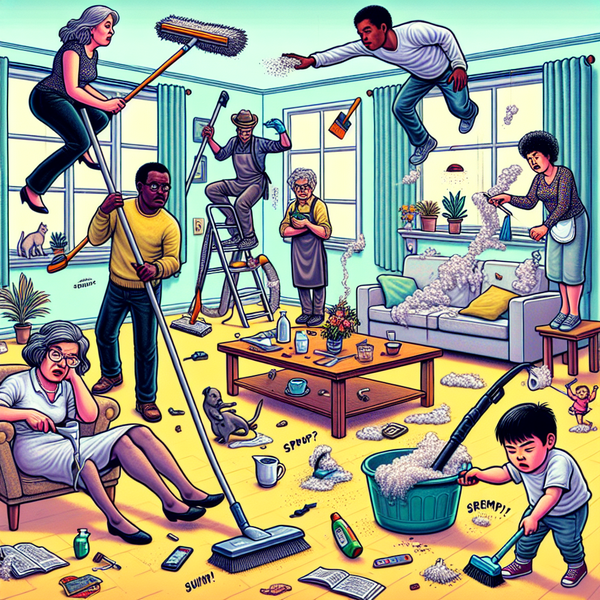
Picture this. It is 7 PM. Pasta is boiling. Someone is yelling about a missing stuffed bear. There are magnetic tiles in the hallway that feel like tiny traps. You step on a rogue lego. Again. If this sounds like your Tuesday, you are in the right place. A calm home with kids is not a fantasy. You do not need a designer budget. You do not need a bigger house. You need a simple plan, a few smart habits, and a kinder setup that fits real life.
In this guide, we will build a kid-friendly home that lowers stress and lifts peace. We will talk about smart ways to organize toys, how to set up childproof decor that still looks good, and family home routines that keep things steady. Mix in a handful of parenting homemaking tips you can start tonight, and you will feel the shift fast.
Family home routines that build a calm home with kids
A calm home grows out of your daily flow. If you want less mess, fewer battles, and more yes moments, start with small routines that stick. In the first 100 words here you have seen our big goal: a kid-friendly home that works on busy days. The trick is not perfection. The trick is rhythm.
Why routines matter:
- Kids love predictability. When they know what comes next, they fight less. The home feels safe and steady.
- Parents make fewer decisions. Decision fatigue drops. You save energy for the good stuff.
- Systems save time. A five minute tidy can prevent a 45 minute panic when guests arrive.
Start simple. Choose one anchor routine per part of the day. Morning, after school, dinner, and bedtime. Keep each routine short and repeatable. Think five to ten minutes max for each step.
Try this basic flow to calm the chaos:
- Morning reset. Open blinds. Start a quick song. Everyone makes beds and returns stray items to their spots. Two minutes per room.
- After school landing zone. Shoes in a bin, bags on hooks, lunch box to sink, water bottle on the counter. Snack goes to the table, not the couch.
- Pre-dinner sweep. Timer for six minutes. Kids pick up toys only from shared spaces. Grownups clear counters. Music on keeps it light.
- Bedtime calm down. Lights dim. Small tidy basket in each room. Put away, then read. The tidy becomes part of the wind down.
These small moves turn your house into a partner. You will feel the load lighten. With routines humming, you are ready to set up spaces that do half the parenting for you.
Organize toys and childproof decor without losing your style
Let us tackle two big issues that drive parents wild. Stuff everywhere, and decor that gets wrecked. You can organize toys without spending all weekend sorting pieces. You can childproof decor without making your living room look like a daycare. Here is how.
Subsection 1: The toy setup that rescues your floor
The number one secret to organize toys is fewer, visible choices. Kids play longer and clean faster when they can see what they have. Big toy chests become black holes. Avoid them for anything with small pieces.
Build a three layer toy system:
- Daily shelf. Open bins at kid height. Clear labels with words and pictures. Keep 8 to 12 total bins in shared rooms. Examples: blocks, dolls, vehicles, animals, art supplies, dress up, puzzles, books.
- Back stock. A closed bin in a closet with extra sets and rotating items. Swap one or two bins every week to refresh interest without buying more.
- Outdoors or messy zone. Chalk, bubbles, water play, and paint live in a caddy by the door or on a high shelf. Only comes out with supervision.
Make labels that work. Snap a photo of the actual blocks or cars, print, and tape it to the front of a bin. Add the word in big letters. Now pre-readers and readers both win. Clean up becomes a matching game, not a debate.
Common toy mistakes to skip:
- Too many categories. Keep it broad. Vehicles can live together. No need to split trucks, race cars, and trains unless you have a mega fan.
- Bins that are too big or too deep. Aim for shallow bins so kids can see the bottom.
- Floating pieces everywhere. Use zip pouches for puzzles and games. Keep instruction manuals in a single file folder.
Real life note: I once found crayons in the air vent and wooden fruit under the sofa for three months. A weekly 10 minute sweep under big furniture with a grabber or broom saves your sanity.
Subsection 2: Childproof decor that does not scream baby zone
You can have nice things with small kids. You just need smart swaps. The goal of childproof decor is less stress, not less style.
Start with grounding pieces:
- Rugs with pattern. Go for mid tone patterns that hide crumbs and spills. Flat weaves clean fast. Use a rug pad to prevent slips.
- Performance fabrics. Sofa covers that can go in the wash are a gift. Stain resistant throws are your friend.
- Rounded edges. Coffee tables with soft corners reduce ER visits. If you love a sharp edged piece, add corner guards for a season.
- Wall art that is secure. Replace glass with plexi in frames at kid height. Use strong hardware. Command strips are great for light pieces.
Style tricks that look grown up:
- One color basket system. Choose natural baskets or a single color for all bins in the living room. Your eye reads unity, not clutter.
- Closed storage for visual calm. Media cabinets, credenzas, and ottomans with lids hide toys fast before dinner.
- Elevated kid art. Use a gallery rail, clipboard wall, or magnetic strips in a neat row. Rotate weekly so it stays fresh and tidy.
Safety upgrades that blend in:
- Furniture anchors. Anchor bookcases and tall dressers. Place heavy items on lower shelves.
- Outlet covers and cord sleeves. Pick covers that match your wall color and sleeves that blend with the baseboard.
- Door pinch guards. Clear silicone guards can live on the top of doors and barely show.
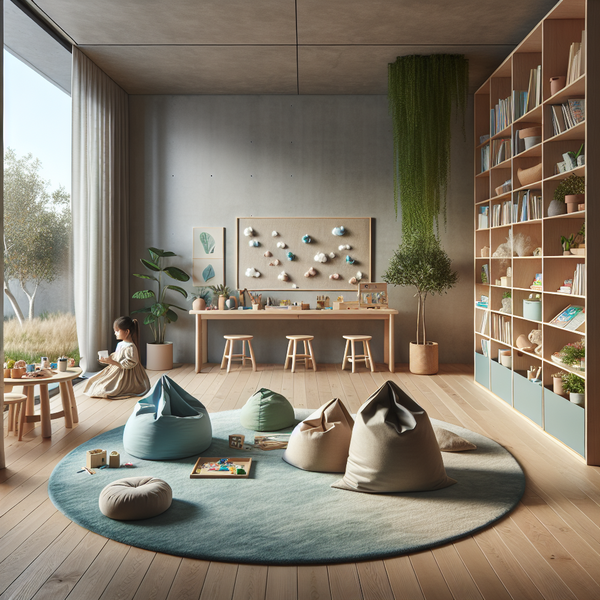
Bonus: Create zones with intention. A reading corner with a small bookshelf and bean chair feels special. A craft cart near the table keeps markers from wandering to the couch. Zones help kids learn where stuff goes without a lecture.
Subsection 3: Routines meet space design
Space and habits work together. Set the stage and then run the same simple play every day.
Here are quick parenting homemaking tips to lock it in:
- Use trays for drop zones. A tray by the door for keys and mail teaches kids that everything has a home, including small things.
- Keep cleaning tools in reach. A small handheld vacuum and a child size broom invite help. Kids love gear. Let them join the reset.
- Pair tasks with cues. When the dinner timer dings, start the six minute sweep. When the bedtime light turns blue, start the toy roundup.
- Set visual timers. Sand timers or big digital timers turn clean up into a game with a clear end.
Over time, the home begins to coach your kids. The bins, labels, and zones tell a story about where things live. The routines make that story easy to follow.
Practical setup: Room by room checklist
Here is a room by room guide you can use this weekend. It is fast, clear, and built for a calm home with kids.
Entryway
- One hook per person at kid height plus one extra for guests.
- A bench with shoe storage or a big low basket for fast toss and go.
- Small tray for keys, mail, and library books.
- Sign or picture cue for the routine: shoes off, hands washed.
Living room
- Two to four closed storage pieces for toys and games.
- One open shelf for daily toy bins with photo labels.
- Soft rug with a pattern to hide crumbs and art glitter.
- Low light lamps with warm bulbs for evening calm.
Dining area
- Art caddy with markers, crayons, paper, and tape.
- Placemat for each child. Choose wipeable ones.
- Wipe station with spray and cloths to clean up fast.
- Chair leg socks or felt pads to soften sound.
Kitchen
- Snack zone. Clear bins for after school snacks. Label Yes snacks and Ask snacks.
- Water station. Cups in a low drawer and a small step stool.
- Kid drawer for plates and bowls so they can help set the table.
- Magnetic whiteboard for the weekly meal plan and one fun note.
Bathroom
- Color coded towels and toothbrushes for each child.
- Stool with grip pads for safe handwashing.
- Bin for bath toys with holes so water drains and mold does not start.
- Hook for wet washcloths to dry fast.
Kids rooms
- Low book display so covers face forward.
- Three drawer dresser: top for socks and undies, middle for tops, bottom for pants.
- Two toy bins max plus a stuffed friend basket.
- Nightlight with a warm color and a simple wind down playlist.
Playroom or toy corner
- Zoned layout: building, pretend play, art, and books.
- Rotate one bin from back stock every week to keep it fresh.
- Floor puzzle mat or rug to define play space and contain pieces.
- Clear end-of-day cue, like a chime or a short song, for clean up.
Daily and weekly rhythms that keep the peace
Structure does not have to be rigid. Think of it like a playlist you love. It helps you move without thinking too hard.
Daily micro tasks
- Morning light and two minute reset in bedrooms.
- After school dock: bags, shoes, lunch box, snack at table.
- Six minute sweep before dinner.
- Bedtime tidy with a small basket in each room.
Weekly power moves
- Sunday family reset. 20 minutes to swap toy bins, restock snacks, and check calendar.
- Midweek laundry sprint. Wash, fold, and put away one load before bed.
- Friday fridge clear out. Toss leftovers and prep easy snacks for the weekend.
- Saturday outing bin. Pack a bag with wipes, water, and snacks to grab and go.
Monthly tidy sprints
- Declutter five items per person. Broken toys count.
- Deep clean one zone only. Rotate: entry, living, kitchen, bath, bedrooms.
- Refresh labels. Replace anything peeling or unclear.
Mindset tools for a calmer family home
Stuff is only half the story. How you talk about the home matters too. Use these scripts and strategies to smooth the rough edges.
- Choose the next right thing. When chaos spikes, ask, what is the next small win. Tidy one surface. Fill water bottles. Start the playlist.
- Coach, do not scold. Try, toys live in the blue bin, can you help me find them a home. Praise effort, not results.
- Make it playful. Clean up to a song. Race the timer. Pretend the blocks are going to sleep in their bin.
- Let good be good enough. The goal is a calm home with kids, not a museum. If you can walk from the sofa to the kitchen without a toe injury, that is a win.
Budget friendly shortcuts that still look great
- Shop your house. Move a basket from a bedroom to the living room. Swap art between rooms for a fast refresh.
- Use clear pouches and photo labels. Cheap, tidy, and kid proof.
- Choose multipurpose furniture. Ottomans with storage, benches with cubbies, side tables with drawers.
- Pick one color story. If toys are loud, keep baskets and textiles calm. Natural fibers and solid colors create balance.
Frequently asked what now moments
What if my kids ignore the bins and toss everything on the floor.
Keep labels simple and visible. Reduce the number of bins. Use a timer and a clean up song. Join them for a week and model the routine. It will click with practice.
What if my space is tiny and we do not have a playroom.
Use vertical storage. Add hooks and wall shelves. Pick a coffee table with drawers. Rotate toys more often. A kid-friendly home is about flow, not square footage.
What if my decor keeps getting damaged.
Move breakables up for a season. Swap to plexi. Use performance fabrics and rugs. Add corner guards. Better tools mean less stress.
How do I get my partner or older kids on board.
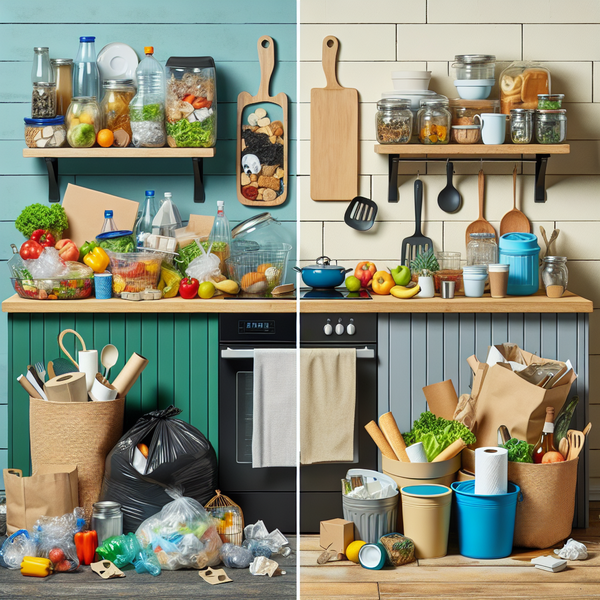
Pick one room to transform first. Show the before and after. Keep the rules few and clear. Invite input on labels and zones. Ownership builds buy in.
Action plan: 7 day calm home sprint
Want a quick win. Try this one week plan. Ten to twenty minutes a day.
- Day 1. Entryway reset. Hooks, shoe bin, tray.
- Day 2. Living room toy shelf with 8 to 12 labeled bins.
- Day 3. Kitchen snack zone and water station.
- Day 4. Bathroom towel and toothbrush system.
- Day 5. Bedroom reset. Two toy bins max and a book display.
- Day 6. Anchor routines. Morning, after school, dinner, bedtime.
- Day 7. Family reset. Swap a toy bin, post the weekly plan, and celebrate with a game night.
Key takeaways you can use today
- A calm home with kids comes from simple routines, not strict rules.
- Organize toys with fewer, visible choices and clear labels.
- Childproof decor can be stylish with patterns, performance fabrics, and closed storage.
- Family home routines and small anchors beat clutter and stress.
- Use parenting homemaking tips like timers, drop zones, and kid size tools to build habits.
Start small today. Choose one room and one routine. In a week you will feel lighter. In a month you will wonder how you lived any other way. Your kid-friendly home will not be perfect, but it will be kind to you and your family. That is the goal.
Meta description: Create a calm kid-friendly home with simple routines, smart ways to organize toys, and stylish childproof decor. Use practical parenting homemaking tips to build family home routines that lower stress fast.