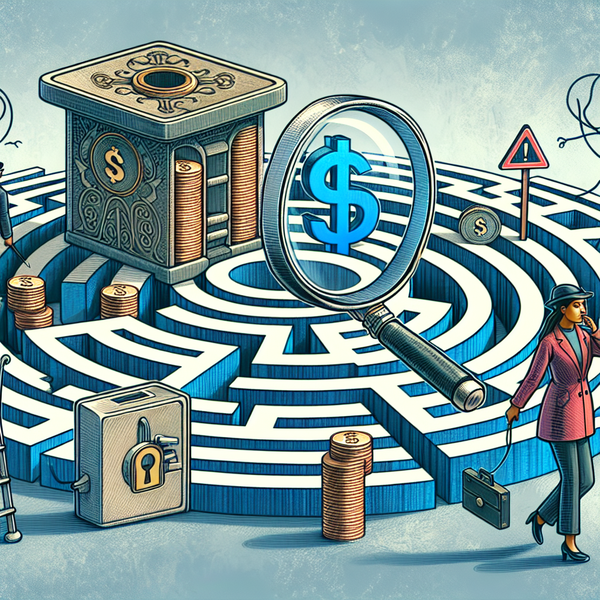

Free Finance Apps Risks: Hidden Costs and Your Data as Currency
Free can be a magic word. You see a shiny finance app with zero fees and a smooth sign up, and you are in. A week later you wonder why your inbox is full of new offers, why your bank feed looks off, or why your trades do not fill quite where you expect. If you have felt that itch, you are already brushing up against free finance apps risks. The true price is often paid in privacy, attention, and small, quiet fees that add up.
This guide breaks down how free tools make money, where your information goes, and the sneaky charges that slip by. We will unpack fintech data privacy in plain language, walk through hidden app fees and robo-advisor costs, and end with a practical checklist you can use before you connect your accounts. By the end, you will know what to keep, what to cut, and how to protect your money and your data.
Fintech Data Privacy in Real Life: How Free Apps Turn Clicks Into Cash
First, the basics. Finance apps do not run on vibes. They run on business models. Some models are clean and simple, like a modest subscription with no tracking and no ads. Others lean on data. That data can include your email, device details, location, contact list, transaction history, balance ranges, and even how you scroll a screen. This is the core of fintech data privacy: what is captured, how it is processed, and who gets it next.
Common paths for data flow:
Trackers and fingerprints: Many apps load third party SDKs for analytics, crash logs, and marketing. These can stitch together a device profile. One app sees your phone model. Another sees your IP. A third sees your behavior around payday. Together, they draw a map. This is why fintech privacy concerns are not just about a single app. They are about the network effect of many small clues.
Connection methods to your bank: Older sign in flows use screen scraping. You punch in bank credentials, and a bot pulls your transactions. Newer flows use token based connections with open banking. Tokens are better because you can cut access without changing your bank password. If an app still pushes you to type your bank login on a non bank screen, pause and rethink.
Data sharing versus data selling: Privacy policies often split hairs. Sharing with service providers might be needed to run the app. Selling can be more broad, like passing data to a partner for its own use. Watch for vague terms like improve services, provide relevant offers, or share with trusted affiliates. If you spot those, your risk radar should light up.
Aggregation and segmentation: Your transaction record tells a story. Rent due dates. Grocery habits. Gas versus transit. A health bill here, a late fee there. When apps segment users by these patterns, they can target offers or monetize insight. That is why free can scale so fast. The product is usable and the data is valuable.
So why does this matter? Money is emotional. Budgets reflect hopes and stress. When that story is copied across servers, it can shape credit offers, insurance quotes, and shopping feeds. For people who value control, fintech privacy concerns are not abstract. They are personal.
Hidden App Fees and Robo-Advisor Costs That Sneak Up on You
Now for the dollars. Even when an app looks free, the ledger may tell another tale. Here are the most common hidden app fees and robo-advisor costs to watch for, along with the quiet add ons that nibble at returns.
Order routing and spreads: Some no commission trading apps earn money by how they route orders. Your price can be a touch worse than the best quote, or your trade can fill more slowly. It is small on one order, but can compound. On the foreign exchange side, watch for marked up spreads on currency trades and card transactions abroad. A percent here, a percent there, and your weekend trip costs more than planned.
Deposit and withdrawal friction: Instant deposits, instant withdrawals, or transfer acceleration can carry a fee. Standard ACH is free but slower. If you are in a hurry, you may pay. Also scan for ACATS transfer out fees when you move assets to another broker, even if trading itself looks free.
Cash drag in portfolios: Robo platforms often keep a slice of your balance in cash. That cash may earn less than the market and sometimes less than current high yield accounts. The spread between what your cash earns and what the platform earns on it is part of robo-advisor costs that few highlight in big type.
Fund expense ratios: A robo might charge 0.25 percent advisory fee and place you in funds with 0.10 to 0.20 percent expense ratios. The all in fee is the sum. Many people fixate on the advisory fee and forget the fund costs. Add them and compare to a plain index strategy you could run on your own.
Premium tiers and paywalls: The free version hooks you. Then the cool stuff sits behind a subscription. Think advanced reports, tax loss harvesting, custom goals, or family sharing. The monthly price looks small, but in a year it is real money. If you stay on free, ask yourself if you can live without the features that sold you on the app in the first place.
Overdraft and fast cash: Earned wage access, advance features, and quick cash paydays can feel like a relief. But they may come with subscription fees, tips that are not really tips, or transfer charges. Add them up across six months and compare to an old school line of credit or a proper emergency fund.
Tax treatment and rebalancing: Portfolios that rebalance fast can trigger short term gains in taxable accounts. You will not see that cost in the app. You will see it at tax time. Set tax aware settings where available and use tax advantaged accounts for strategies that trade often.
Tales from the real world: A friend linked a debit card to a round up savings tool. The app skimmed pennies into savings, which felt great. But the free tier capped monthly transfers and the instant move cost a fee. Over a year, fees outpaced the extra interest earned by a wide margin. Another friend loved a slick robo, paid the advisory fee, and later noticed that most of the portfolio sat in a fund of funds with higher expense ratios than expected. None of these people are reckless. The systems are just designed to make small fees easy to miss.
How to run your own budgeting apps review: Before you connect accounts, write a one page scorecard. This makes you slow down and look past the nice charts. Use this quick framework:
Data access: Does the app use token based connections or screen scraping? Can you revoke access in one click?
Data use: Does the policy mention sell or share beyond service providers? Is there an opt out for data sale?
Fee map: List every fee you can find: tiers, instant transfers, overdraft, withdrawal, currency, advisory, fund expenses.
Cash handling: Does the app sweep cash into a high yield option? Are there limits or caps?
Export and delete: Can you export all your data? Can you delete your account and data fully?
Support and uptime: Is support live or email only? Do they publish status and incident reports?
Run this budgeting apps review scorecard for any new tool. It takes 15 minutes and can save you from months of hassle later.
Common mistakes to avoid:
Trusting the sign up flow: A smooth flow is not proof of strong privacy. It is proof of good design.
Ignoring fund documents: Inside a robo, the fund fact sheets and expense ratios matter more than the homepage.
Confusing free with no revenue: If you do not see a price, assume there is another way the business earns.
Using one email for everything: If every app sees the same email, ad networks can tie your behavior together with ease.
Practical checklist: protect your cash and your privacy today
Use this step by step list to reduce fintech privacy concerns and cut hidden app fees before they start.
1) Map the money model. Before you sign up, write down how the app likely earns. Ads, subscriptions, spreads, interchange, advisory fees, or data sharing. If the plan looks fuzzy, that is a signal.
2) Scan permissions. On iOS and Android, review requested permissions line by line. Location, contacts, photos, and motion data are rarely needed for a finance app. Deny what is not needed. Revisit in settings every quarter.
3) Prefer token based bank links. Look for secure connections that do not require your bank password in the app. If screen scraping is the only option, consider a read only bank account with limited funds for linking.
4) Use alias emails and virtual cards. Create a unique email per app with an alias. Use virtual cards for subscriptions. This breaks the link between tools and gives you easy off switches.
5) Toggle privacy features on your device. Limit ad tracking, reset ad IDs, and block cross app tracking. Many phones now let you block trackers at the OS level. Use that setting.
6) Read the fee schedule like a detective. Search for instant, withdrawal, transfer, foreign, subscription, and inactivity. For trading, search for payment for order flow and smart routing. For investing, add expense ratio, cash sweep, and advisory to your scan. Hidden app fees prefer fine print.
7) Test with a dry run. Link a low risk account first. Try deposits, withdrawals, and exports. If anything feels sticky or slow, stop before you connect core accounts.
8) Compare yields and drag. If an app holds cash, compare its yield to current high yield options. Calculate the cash drag in your portfolio. This is a quiet part of robo-advisor costs that hurts compound growth.
9) Lock down two factor and passcodes. Use a password manager. Set app specific passcodes. Turn on device encryption. Finance apps are only as safe as the weakest lock you use.
10) Opt out where you can. Many services offer data sale opt outs or limited data sharing settings. Use them. Then set a calendar reminder to redo the opt out if policies change.
11) Keep a data diary. Note what you shared with each app: accounts linked, data types, and the date. If you ever leave, this diary helps you request deletion and verify it later.
12) Run your own budgeting apps review twice a year. Needs change. An app that fit last year may not fit now. Re rate your tools on privacy, fees, and value. Cut what you do not use.
13) Separate play and core. Keep a small side account for trying new apps. Protect your main checking, savings, and long term investments behind a wall. If a new app goes sideways, your core stays safe.
14) Ask support hard questions. Message support and ask how to export data, how to delete data, and how they handle a breach. Clear, fast answers are a good sign. Slow, vague replies are not.
15) Think exit first. Before you join, read how to leave. Is there a clean delete function? Are there delays for withdrawals? Exit friction is a cost just like a fee.
Why this all matters
Money and data are two sides of the same coin in modern fintech. When a product is free, you are not a villain for liking it. Free can be great. It got billions of people online and managing money on phones. But free is not magic. It is a trade. You swap attention, information, or flexibility for a lower upfront price. That is fine as long as you know the terms.
Here are the big takeaways to keep close:
Free finance apps risks are manageable if you understand the business model, set tight privacy defaults, and track fees before they bite.
Fintech data privacy is a daily habit, not a one time checkbox. Use alias emails, token based links, and device level blocks. Review policies and revisit settings each quarter.
Hidden app fees and robo-advisor costs add up. Small spreads, cash drag, fund expenses, and instant service charges can quietly erode returns. Measure them to control them.
Use a budgeting apps review checklist. Score apps on data access, data use, fees, cash handling, and exit options. If an app fails the test, move on.
Your next step is simple. Pick the one finance app you use the most. Spend 10 minutes with its settings, privacy policy, and fee page. Tighten what you can and cut what you do not need. Small changes today can save cash and protect your data for years to come.