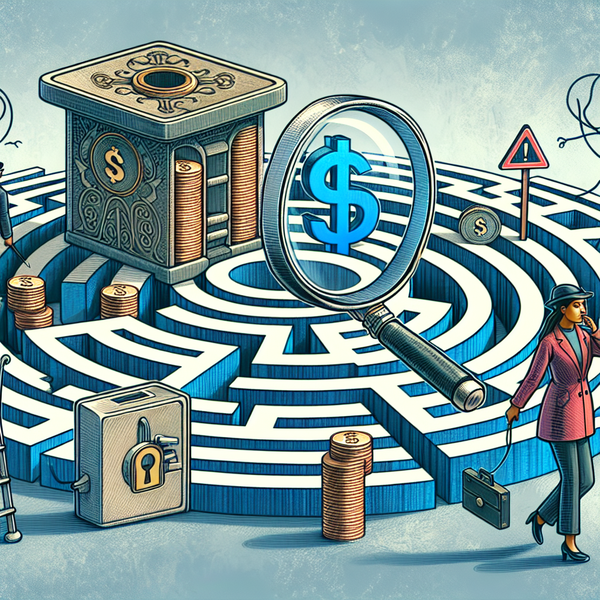

From Taxes to Trusts: Estate Planning Mistakes That Cost Families Millions
If you think estate planning is only for the ultra rich, you are not alone. Yet the biggest estate planning mistakes do not always happen in mansions. They happen in regular homes, where a misplaced form or a missed deadline can wipe out savings, stir up drama, and turn a simple legacy into a long court fight. In this guide, we will break down the traps that cost families money and peace of mind, from wills vs trusts to probate costs, inheritance tax planning, power of attorney, and the kind of estate planning checklist that keeps your plan clear and current.
Here is the plan for this article. First, a quick tour of why this topic matters right now. Then we will dig into the decisions that drive outcomes, with stories and examples that feel real. Finally, you will get a simple, practical checklist you can use today to get your estate planning house in order.
Wills vs trusts and probate costs explained in plain language
Estate planning is not just a legal puzzle. It is a family finance plan that guides who gets what, how fast, at what cost, and with how much privacy. The big picture comes down to five pillars:
Pillar 1: Who makes decisions if you cannot — That is where a power of attorney and health care directives step in.
Pillar 2: Who inherits your assets — Wills, beneficiary forms, and titles carry the load here.
Pillar 3: How assets pass — Wills vs trusts is the classic choice, and it affects speed, privacy, and probate costs.
Pillar 4: What taxes apply — Smart inheritance tax planning can trim state and federal taxes where they apply.
Pillar 5: What happens over time — The best plan is not static. It grows and updates as life changes, which is why an estate planning checklist is so helpful.
Why does this matter today? Families are more complex, laws keep shifting, and more wealth now sits in retirement accounts and real estate than ever before. A small error or delay can lead to probate costs that eat up a large chunk of an estate. Add in avoidable tax exposure and you get what many families discover too late: the price of inaction is high.
Below, we will walk through how to avoid the most common estate planning mistakes and set up a plan that works when it counts.
1) The wills vs trusts decision that sets the table
Many people ask if a will is enough. For some, yes. But consider how a will works. A will directs your wishes, but it still goes through probate. Probate is a court process that validates the will, pays debts, and transfers assets. Probate can be slow and public. Probate costs can climb, especially when property sits in more than one state. If privacy, speed, or control matter, a living trust can help.
A living trust, also called a revocable trust, moves assets into a trust you control during life. On your death, the trust passes assets to your chosen people without probate. That can cut probate costs, reduce delays, and keep details out of public records. It can also give structure for minor children, blended families, or family members who need help managing money.
Here is a simple example. Sam and Lee own a home and two rental units. They also have a brokerage account and life insurance. With only a will, their estate goes through probate in the state where they live and also in the state where one rental sits. That means two court processes, two sets of fees, and months of waiting. This is a classic case where a living trust could move those properties outside probate and save money. In the wills vs trusts debate, the right answer depends on assets, family dynamics, and goals. The wrong answer is no plan at all.
Common mistake: Creating a trust but not funding it. People sign trust papers and think the job is done. But you must retitle assets into the trust. That means deed the house to the trust, change the title on accounts where needed, and update beneficiary designations to sync with the plan. An unfunded trust offers little help and can even create confusion.
2) Taxes are not one size fits all, so use focused inheritance tax planning
Not every estate pays federal estate tax. But state estate or inheritance taxes may still apply. Plus, income tax on retirement accounts can hit heirs hard. This is where inheritance tax planning earns its keep.
Consider a large traditional IRA. If your child inherits and takes withdrawals over time, the income is taxable when distributed. Under current rules for many non spouse heirs, that entire account may need to be withdrawn within a set window, often 10 years. Poor timing can push the heir into higher tax brackets. Good timing, Roth conversions during your life, or using trusts designed for retirement assets can reduce the burden.
Charitable giving is another lever. A charitable bequest from a will can lower taxable estate value in certain cases. Or, a charitable remainder trust can provide income to family for years, with the remainder to charity, which can unlock deductions. For many families, naming a charity as a beneficiary of a traditional IRA and leaving a home or brokerage account to children can be smart, because charities pay no income tax on IRA withdrawals but children would.
Common mistake: Forgetting state level rules. A plan that avoids federal estate tax might still face a state estate or inheritance tax, which varies by location and by who receives the funds. Work this into your inheritance tax planning rather than discovering the issue later.
3) Power of attorney is the lifeline for managing life events
Estate planning is not only about death. It is also about incapacity. A durable power of attorney lets a trusted person manage money, sign checks, deal with taxes, and keep life moving if you cannot act. A health care directive and a health care power of attorney guide medical choices and access to records. Without these, family members may need to seek a court appointed guardian to handle basic decisions. That process takes time and money, and it adds stress during a tough chapter.
Here is a true to life scene. Chloe had a small stroke. She could speak, but she could not sign her name well. Her mortgage was due. Her daughter tried to call the bank to set up auto pay, but the bank would not speak with her. If Chloe had a durable power of attorney in place, the daughter could handle bills and protect credit. Instead, they scrambled. A simple document would have saved hours of hassle and late fees.
Common mistake: Using a generic power of attorney that lacks key powers. Some banks and brokers require specific language for investment, real estate, or retirement accounts. Some want a fresh signature if the document is old. Update your power of attorney regularly and confirm that your bank will honor it. Ask the bank if it will accept your current form or if it prefers its own version. This small step can prevent a last minute scramble.
4) Beneficiary designations and titles can undo a plan if they are wrong
For many families, the largest assets are retirement accounts and life insurance. These pass by beneficiary form, not by will. If you forget to update a beneficiary after a divorce or a death, money can flow to the wrong person. The same goes for Payable on Death or Transfer on Death designations on bank and brokerage accounts.
Titles matter too. Joint ownership with rights of survivorship can send an asset to the joint owner by default, which may bypass the broader estate plan. That might be the goal, or it may cause uneven results among children. If you use a trust, make sure titles match the plan.
5) Digital assets are easy to miss
Photos, crypto, domain names, and even online reward points have value. Make a simple inventory. Include how to access them and who should receive them. Add this to your estate planning checklist and update it once or twice a year.
6) Business owners need extra steps
A buy sell agreement, key person coverage, and a plan for who runs the business can be the difference between a smooth handoff and a fire sale. Tie your operating agreement to the rest of your estate plan so everyone knows how ownership transitions under different events.
7) The review you skip is the one that hurts
Life changes fast. Marriage, a new home, a new child, a move to a new state, or the sale of a business can all change the plan. A yearly or biennial review with your advisor keeps you ahead of risks. Your estate planning checklist should include a quick review of beneficiary forms, trust funding, and power of attorney dates. The cost of a short meeting is tiny compared to the cost of a plan that no longer fits.
8) The human factor is real
The best document fails if people do not know what to do. Consider a family meeting. You do not need to share dollar amounts. Just outline roles. Who is the executor or trustee. Where are the documents stored. Who holds the power of attorney if needed. A calm talk today can stop a storm later.
9) Probate costs and delays are often avoidable
The court process is there for a reason, but many families can streamline or avoid it. Wills vs trusts is a big lever. Transfer on Death deeds may be available for homes in some states. Beneficiary designations on financial accounts bypass probate too. Every step you take to move assets by title, contract, or trust can lower probate costs and speed settlement.
Here is another example. Jordan passed away owning a home, a car, a 401k, and a checking account. The 401k had a current beneficiary form that named a spouse, so that transfer was quick. The checking account had a Payable on Death designation to the spouse, so that was quick too. The car title had a Transfer on Death designation, quick again. The home was in a trust, so it skipped probate. Because of good prep, the family avoided most court costs and delays. This is the power of aligning titles with the plan.
10) Coordination with taxes, insurance, and cash flow
Estate documents do not live in a vacuum. Keep a cash buffer for the months after death when accounts can be frozen or paused. Review life insurance ownership and beneficiaries for tax and control reasons. If your plan includes a trust, understand how the trust will be taxed and who will file returns. Pull all your pros into the same conversation so no one assumes someone else handled a key detail.
Estate planning checklist and power of attorney steps you can do this week
Use this simple estate planning checklist to take action. You do not need to finish every step today. Pick three that matter most and schedule the rest.
Core documents
- Create or update your will. Even with a trust, a simple pour over will can direct straggler assets into the trust.
- Decide on wills vs trusts based on goals. If privacy, speed, or multi state real estate are factors, a trust may help cut probate costs.
- Sign a durable power of attorney for finances. Confirm your bank and brokerage will accept it.
- Sign a health care directive and a health care power of attorney. Share copies with your agents and doctors.
Titles and beneficiaries
- Update beneficiary forms on retirement accounts and life insurance. Sync these with your will or trust plan.
- Check Payable on Death and Transfer on Death designations on bank and brokerage accounts.
- Review how your home, vehicles, and other property are titled. If you use a trust, retitle where needed.
- Confirm business ownership records match your plan. Tie in any buy sell terms.
Inheritance tax planning
- Estimate your estate size and check federal and state thresholds. Rules change, so review yearly.
- Consider Roth conversions to manage future taxable income for heirs.
- Match assets to recipients. Use retirement accounts for charities when it fits. Leave step up eligible assets like brokerage accounts to individuals when tax wise.
- Review gifting options and timing if your estate could face estate tax or state inheritance tax.
Trust funding and follow through
- If you choose a trust in the wills vs trusts decision, make a funding list. Deeds, account titles, and beneficiary changes all matter.
- Keep a written log of what moved into the trust and what still needs action.
- Set a reminder in six months to double check that every item was completed.
Documents and access
- Create a simple binder or secure digital folder. Include your will, trust, power of attorney, health care documents, and a contact list for your advisors.
- Make a digital asset inventory with access details. Store it securely.
- Write a letter of intent to explain personal wishes, such as who should receive keepsakes or how you hope funds will support education.
People and roles
- Choose people you trust for executor, trustee, and power of attorney. Pick backups as well.
- Ask them if they are willing to serve and share the estate planning checklist so they know where things are.
- Schedule a short family meeting to explain roles and where to find documents.
Reviews and maintenance
- Calendar a yearly review. Tie it to tax time or a birthday so you remember.
- Update after life events: marriage, divorce, birth, death, move, home purchase, or business sale.
- Recheck power of attorney dates. Some institutions prefer documents signed within the last few years.
Ways to cut probate costs without overcomplicating things
- Use beneficiary designations wherever possible.
- Explore Transfer on Death deeds if your state offers them for real estate.
- Consider a living trust for out of state property or complex family setups.
- Keep a small emergency cash account accessible to loved ones for near term expenses.
Pro tips to avoid estate planning mistakes
- Do not leave minor children assets outright. Use a trust to manage funds until an age you choose.
- If you own a gun collection, artwork, or collectibles, put storage and transfer details in writing.
- Clarify pet care plans and set aside funds if needed.
- Coordinate your plan with your tax pro and financial advisor so inheritance tax planning, cash flow, and investment choices stay aligned.
Putting it together: a short story of two plans
Case one: Nina had a will from years ago, no trust, and no power of attorney. Her home was only in her name. Her checking account had no Payable on Death setup. She had a 403b plan with a beneficiary form that still listed a former partner. After Nina passed, her family faced probate in two states due to a vacation cabin. Probate costs took a big bite, the old beneficiary form sent retirement funds to the wrong person, and the family waited eight months to gain access to basic cash.
Case two: Omar and Ava created a living trust and funded it with their home and a rental. Each had a durable power of attorney and a health care directive. Their retirement accounts had updated primary and contingent beneficiaries. Their life insurance named the trust for minor children, with a trustee to manage payouts. They did light inheritance tax planning by converting part of a traditional IRA to Roth over several years. When Omar died, assets moved within weeks with no court delays. The plan worked because details lined up with documents, and the family talked about roles in advance.
The lesson is simple. Wills vs trusts is not a theory class. It is a tool choice. Power of attorney is not a footnote. It is an operating manual for tough days. Inheritance tax planning is not only for the very wealthy. It protects options for loved ones. And an estate planning checklist makes all of it doable, one step at a time.
What to do next
Start with a 30 minute sprint. Pick three items from the estate planning checklist above. Book a call with an attorney or advisor if you need guidance. Gather your beneficiary forms and review them in one go. Decide on wills vs trusts with your specific facts in mind. Update or sign your power of attorney documents. Each small step cuts risk, cost, and chaos. Your future self and your favorite people will thank you.
Final thought. Estate planning mistakes rarely show up while you are alive and well. They show up when the people you love have the least time and energy to fix them. A solid plan is one of the most practical gifts you can leave behind.
Meta Description: From wills vs trusts to power of attorney, learn how to avoid estate planning mistakes, cut probate costs, and use smart inheritance tax planning with a simple estate planning checklist.