At Home Beauty Devices: Are They Worth the Hype?
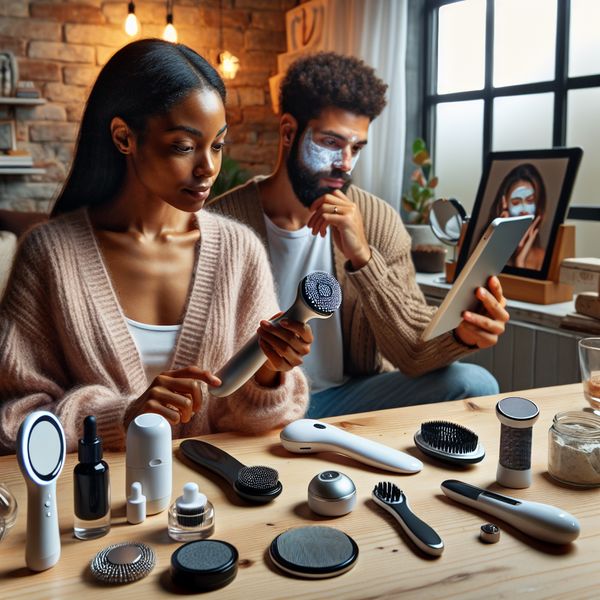
Open any feed and you will see light up masks, buzzing wands, and sleek tools that promise spa level skin from your couch. It is easy to wonder, are skincare gadgets worth it, or are you buying a box of hope with a charger? This guide breaks down the most talked about at home beauty devices, the science in simple words, the real LED mask benefits, what microcurrent at home can and cannot do, and how to pick the best beauty tech 2025 without buyer regret. I will share practical tips, cost math, and smart ways to read home skin device reviews so you can decide with confidence.
LED mask benefits, microcurrent at home, and more: what actually delivers
Big picture overview
At home beauty devices are booming because they promise three things people want: convenience, control, and lower cost over time. A facial or clinic treatment is lovely, but time and price can be tough. With a home tool, you can build a steady habit. That steady habit is often what drives results more than a rare splurge.
That said, the right device matters. Some tech has decent evidence. Some is more flash than fix. The goal is not to own every gadget. The goal is to match a tool to a clear skin goal and then use it right. Below, we dig into LED mask benefits, microcurrent at home toning, and a few other players like radio frequency and ultrasonic. You will also see how to judge claims so you can answer for yourself, are skincare gadgets worth it for your skin and your budget.
LED light therapy at home: the glow with a plan
LED stands for light emitting diode. In skin care, the most common colors are red and blue. Red light is linked with calm and repair. Blue light targets the bacteria that can trigger breakouts. Some masks also add near infrared, which can reach a bit deeper. The main LED mask benefits include improved look of fine lines, a more even tone, less redness, and fewer mild breakouts over time. Think of it like watering a plant. Small, regular sessions can help the skin look better supported.
What to look for if you want LED mask benefits:
- Wavelengths listed by number. Red is often around 630 to 660 nm, blue around 415 to 470 nm. Clear numbers signal a serious design.
- Coverage and fit. Face hugging masks or panels that sit close to the skin tend to deliver light more evenly.
- Session time and safety. Built in eye guards or separate goggles help. Auto shut off is a plus.
What results feel like in real life: Most people notice small wins first. A bit less morning redness. Makeup sits smoother. Breakouts look calmer. Fine lines can soften with steady use over a few months. LED is not a magic eraser. But it is a steady worker. For many users, this is a strong yes to the question, are skincare gadgets worth it, because the routine is simple and gentle.
Common missteps to avoid:
- Using it only once a week. LED works best with frequent short sessions, like 3 to 5 times weekly.
- Skipping eye safety. Light is safe for most, but protect the eyes anyway.
- Expecting instant wrinkle removal. Aim for subtle and steady change.
Microcurrent at home: a gym session for face muscles
Microcurrent uses a tiny electrical current to wake up facial muscles and support skin tone. Fans say it gives a lifted, more snatched look after a session. It can also help with product penetration and help the skin hold a smoother look for a day or two. With regular use, some people see firmer contours and a fresher look.
How to make microcurrent at home work harder:
- Start with clean, dry skin.
- Apply a true conductive gel, not a random cream.
- Glide slowly along muscles. Think jawline, cheeks, brow. Hold at the end of a glide for a slow count of three.
- Begin with lower settings, 3 to 4 sessions per week for the first month. Then move to maintenance, maybe 2 to 3 sessions per week.
- Hydrate after. Seal with a simple moisturizer.
Who may notice the most benefit: early to moderate laxity, soft jowls, or a tired look after long days. If you want a fast pep before events, microcurrent at home is a solid pick. If you want to sharpen jawline beyond what muscles can do, clinic treatments will go further. For many, microcurrent is an easy gateway tool that earns a place on the counter.
Friendly reminders:
- Skip if you have a pacemaker or if your provider told you to avoid electrical devices on the face.
- Do not use over broken skin or active infections.
- Microcurrent pairs well with LED on alternate days to avoid crowding your routine.
Other trending at home beauty devices: what is real and what is noise
Radio frequency wands: These warm the deeper skin layers to encourage a firmer look over time. Home units are gentler than clinic gear. That means safer for home use, but also slower results. If you go this route, stick to small, regular sessions and keep expectations grounded. Heat and pigment can tangle, so users prone to melasma should be careful and check with a pro.
Ultrasonic or microvibration tools: These are more about massage and product boost. They can help with puffiness and give a quick glow. Results tend to be temporary. But they feel good, and that matters for habit building.
Facial cleansing brushes: They can help some people who wear heavy sunscreen or makeup. Use the softest head and a gentle cleanser. Limit to a few times per week so you do not strip the barrier.
At home microneedling rollers: Be cautious. Shallow rollers may boost product feel, but they can also spread bacteria if not cleaned well. If you are not committed to strict hygiene, skip this one.
IPL or laser hair removal devices: These are for hair, not skin tone, but they are everywhere. Many people get good hair reduction on lighter skin and darker hair. Check skin tone charts and safety notes closely before use.
So, are skincare gadgets worth it beyond LED and microcurrent? It depends on your goal, the device quality, and your patience. The sweet spot is often LED for calm and texture, microcurrent at home for tone and lift, and massage tools for short term glow. Radio frequency may help with firmness if used with care and realism.
Best beauty tech 2025 and how to read home skin device reviews like a pro
How to choose without guesswork
Before you shop, write one clear goal. Fewer breakouts. Softer lines. Less puff. Then match the tool to that goal. Here is a simple guide to the best beauty tech 2025 categories and how to think about them:
- Goal: calm, glow, small line softening. Pick: LED mask or panel. Focus on LED mask benefits and steady use.
- Goal: lifted look for jaw and cheeks. Pick: microcurrent at home unit. Commit to a schedule.
- Goal: firmer feel over months. Pick: cautious home radio frequency with clear safety steps.
- Goal: product boost and depuff. Pick: ultrasonic or massage tools. Think feel good plus short term glow.
Checklist for device quality
- Specifics over hype. Real specs like wavelengths, energy levels, and session time beat vague claims.
- Evidence library. Look for brands that link to studies or publish white papers. Even small studies help.
- Independent testing. Third party safety marks and clear manuals show care.
- Warranty and parts. A one year warranty is good. Two years is better.
- Design that fits your life. If it is heavy or awkward, you will not use it.
How to read home skin device reviews without getting fooled
Home skin device reviews are useful, but you need a filter. Use these cues to separate signal from noise:
- Timeline details. Helpful reviews note how long they used it and how often. Results after one week are often mood, not change.
- Skin type match. Your dry, sensitive skin may react differently than an oily teen or a seasoned retinol user.
- Photo proof with the same light. Look for similar lighting and angles. Daylight beats glam filters.
- Maintenance talk. Good reviews mention routine, like replacing conductive gel or cleaning habits.
- Balanced tone. All praise and no downside can be a red flag. Same for all doom.
Real world cost math
Here is a quick way to judge value and decide, are skincare gadgets worth it for your budget:
- Set the device price. For example, 300 dollars.
- Count your planned sessions. Say 3 per week for 6 months is about 72 sessions.
- Divide price by sessions. That 300 dollar LED mask becomes about 4 dollars per use in six months.
- Compare to a single spa visit. If a facial costs 120 dollars, your break even point may come fast.
Also factor in gels, eye shields, and time. If you will not use it, the cost per use climbs fast.
Safety and skin harmony
- Patch test first use on a small area, especially for heat based tools.
- Do not stack heat and strong acids on the same night.
- Hydrate and use sunscreen daily. Devices do more if your barrier is happy.
- If you have a medical device, implants, or a complex skin condition, speak with your clinician before trying tools.
Step by step starter routines
Routine A: Glow and calm with LED
- Cleanse with a gentle wash.
- Pat dry. Use LED for 10 minutes on red. If acne prone, add 5 minutes of blue.
- Apply a simple serum with glycerin or hyaluronic acid.
- Seal with moisturizer. In the day, add sunscreen.
- Schedule: 3 to 5 times per week for 8 to 12 weeks. Then maintain.
Routine B: Lift and tone with microcurrent at home
- Cleanse. No oils left behind.
- Apply conductive gel to one zone at a time.
- Glide from jaw to ear, cheek to temple, brow to hairline. Slow and steady.
- Rinse off gel. Hydrate and seal.
- Schedule: 4 sessions per week for 4 weeks. Then 2 to 3 times per week.
Routine C: Firming focus with home radio frequency
- Check the manual for exact prep and safe settings.
- Use a thin layer of the recommended gel.
- Move in small circles on cheeks and jaw, keeping the tool moving.
- Stop if you feel sharp heat. Mild warmth is the goal, not hot.
- Schedule: as directed, often 2 to 3 times per week for several weeks.
Best beauty tech 2025: what to watch
- Smarter LED masks with mixed wavelengths that adjust to session history. Better timers, lighter shells, and flexible panels for neck and chest.
- Microcurrent at home devices with mapped routines and app guided moves to shorten learning curves.
- Gentler radio frequency that uses sensors to keep heat in a safe range for home use.
- Compact panels for hands free acne sessions, plus clearer data on LED mask benefits for redness and tone.
When you scan best beauty tech 2025 lists, use the same core filter: does this tool match my goal, is there clear safety info, and will I use it at least twice a week. If yes, you are on the right track.
Quick answers to common questions
- How long until I see changes with LED? Most people see small wins within 2 to 4 weeks, with better texture by 8 to 12 weeks.
- Can I combine LED and microcurrent at home? Yes, many rotate days. LED Monday, microcurrent Tuesday, and so on.
- Are skincare gadgets worth it if I already use a solid routine? They can be. Devices often add an extra 10 to 20 percent improvement when used well. The base routine still does most of the heavy lifting.
- Do home skin device reviews matter? Yes, but read with that smart filter. Look for routine details and similar skin types.
- What if I have sensitive skin? Start with LED at low time, skip heat tools at first, and keep your products simple.
Common mistakes that block results
- Buying the wrong category for the goal. No mask will melt fat. No massage wand will tighten like a clinic device.
- Using devices only on Sunday night. Consistency is the real magic.
- Cranking power to max on day one. More power can mean more irritation, not better results.
- Skipping sunscreen. Sun care is the best partner to every device.
- Trusting only viral videos. Cross check claims with multiple sources and specs.
My simple verdict
So, are skincare gadgets worth it? For a lot of people, yes, if you choose with focus and keep a steady routine. LED mask benefits are real for many users who want calm, glow, and a soft polish to texture. Microcurrent at home can perk up contours and give a fresh look before events, and it can support firmer tone over months. The best beauty tech 2025 will push comfort and ease further, but the basics stay the same. Match the tool to the goal, use it often, and keep the rest of your routine kind and simple.
If you are ready to try, start with a clear plan. Pick one device that fits one goal. Track your sessions in your calendar. Take a day one photo in the same light and another at week four and week eight. Read a handful of home skin device reviews with your new pro filter. Then decide if the results match your cost per use. That is how you win at beauty tech at home.
Final takeaway
- At home beauty devices can deliver steady gains when used right.
- LED mask benefits and microcurrent at home are the safest first bets for most users.
- Use clear specs, simple routines, and smart review reading to avoid hype.
- Ask yourself each time: does this help my one skin goal, and will I use it twice a week. If yes, go for it.