
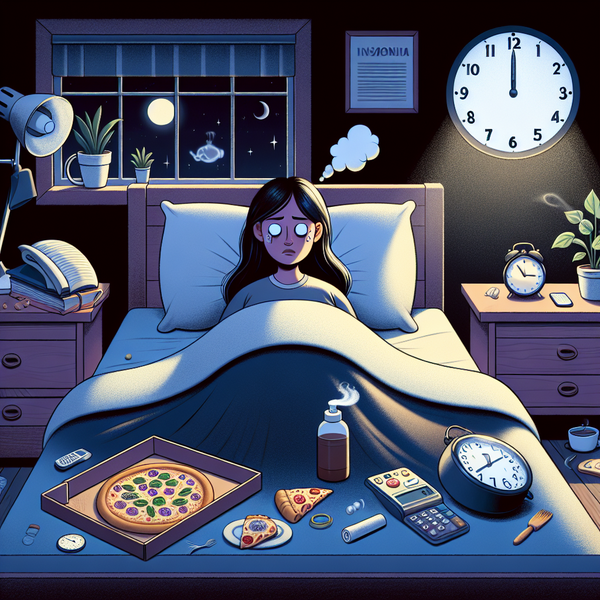
Boost Sleep Quality Tonight: Why 8 Hours Still Feels Exhausting
You went to bed early, stayed put for 8 hours, and yet your morning feels like a slow loading page. If that hits close, you are not alone. The number on the clock does not tell you much about sleep quality. Real rest comes from the right kind of sleep, not just time in bed. When sleep hygiene slips, circadian rhythm drifts, and stress rides shotgun, daytime fatigue shows up no matter how long you sleep. The good news: a few small changes can flip the script and help you get restorative sleep starting tonight.
In this guide, we will break down what makes sleep feel good, where it often goes wrong, and what you can do about it in the next 24 hours. You will learn how to reset your circadian rhythm, tidy up sleep hygiene without turning life upside down, and use simple insomnia remedies that actually stick. And yes, we will get practical with a step by step plan you can use this evening.
Why 8 hours can still leave you tired
Sleep is not a single block. Your brain cycles through light sleep, deep sleep, and REM. Deep and REM are the heavy lifters for memory, mood, muscle repair, and that bright clear feeling the next day. If your sleep is chopped up, too light, or mistimed, you can log 8 hours and still wake groggy. That is because quality beats quantity.
Here are common reasons for tired mornings:
- Fragmentation: Noise, pets in the bed, bathroom trips, or scrolling can break up sleep and reduce deep stages.
- Timing mismatch: Your sleep window is out of sync with your circadian rhythm. Think social jet lag after late weekends.
- Hidden stimulants: Afternoon caffeine or late night sugar can nudge your heart and brain past a calm baseline.
- Alcohol: It helps you doze off but blocks REM and causes wake ups at 2 or 3 am.
- Light exposure: Bright screens at night and too little morning light confuse your internal clock.
- Stress loop: A busy mind delays sleep onset and triggers shallow, non restorative sleep.
Putting the pieces together is the heart of sleep hygiene. With a few target moves, you can swap restless nights for restorative sleep and shake that stubborn daytime fatigue.
Reset Your Circadian Rhythm and Beat Daytime Fatigue
Your circadian rhythm is an internal 24 hour timer that controls when you feel alert and when your body wants to power down. Light, food, movement, and social cues tune this clock. If it drifts, you might fall asleep late, wake at the wrong point in a sleep cycle, and feel heavy in the morning.
Here is a fast way to steer your rhythm back on track:
Anchor your morning. Pick a wake time you can hold seven days a week. Yes, even on weekends. Try to keep it within a 30 minute window. Consistent wake times are the number one lever for better sleep quality.
Get bright light in your eyes within 30 minutes of waking. Step outside if you can. Ten to twenty minutes is enough on a clear day. Light in the morning pushes your clock earlier, raises daytime energy, and cues melatonin release roughly 14 to 16 hours later. This simple habit reduces daytime fatigue and sharpens your alertness before lunch.
Dim your evenings. As the sun goes down, turn down house lights and switch screens to warm tones. Reduce exposure to bright overhead LEDs in the 90 minutes before bed. Your brain reads light as a wake signal, so gentle lighting helps melatonin rise.
Time your meals. Aim for regular meal times, and keep late dinners smaller and lighter. Large late meals can shift your circadian rhythm and fragment sleep.
Move your body. Daytime movement boosts sleep pressure and improves sleep quality. Late night intense workouts can delay sleep for some people, so plan high effort sessions earlier if you notice a pattern.
Watch naps. Short power naps of 10 to 20 minutes before 3 pm can help if you are dragging. Longer or late naps cut into your nighttime sleep drive and may worsen insomnia.
Sleep Hygiene That Actually Helps on a Busy Weeknight
You do not need a perfect routine. You need a few habits that deliver the biggest return for effort. Think of sleep hygiene as a toolkit you can tailor. Use what fits your life and ignore what does not. Try these first:
Set a gentle wind down window. Thirty to sixty minutes before bed, shift from active tasks to quiet cues. Read paper pages, stretch, journal, draw, or do a puzzle. Keep it low stakes and calming. This signals your nervous system to downshift without pressure.
Cool, dark, quiet. Your bedroom environment can either heal or steal your rest. Aim for a cool room around 18 to 20 C, blackout curtains or a sleep mask, and soft background noise if your space is loud. White noise or rain sounds can mask bumps and creaks that cause micro awakenings.
Mind the caffeine curve. Caffeine has a half life around 5 to 7 hours for many people. That means a 3 pm coffee can still be active at 9 or 10 pm. If sleep is a mess, set your caffeine cutoff at 8 hours before bed and see what changes.
Rethink the nightcap. Alcohol sedates, but it blocks REM and causes early morning wake ups. If you sip, finish drinks at least 3 hours before bed, and chase with water. Many people see a big boost in restorative sleep when they reduce alcohol on weeknights.
Light snack, not a feast. Going to bed very hungry or very full can backfire. A small snack with complex carbs and protein, like yogurt with oats or a banana with nut butter, can steady blood sugar through the night.
Protect the bed space. Use your bed for sleep and intimacy only. If you cannot sleep, get up after about 20 to 30 minutes. Sit somewhere dim and do something calm until your eyes get heavy. This helps your brain relearn that bed equals sleep, a core part of many insomnia remedies.
Hidden sleep disruptors you might be missing
Small things add up. Here are easy wins that most people overlook:
- Temperature swings: A room that is too warm leads to restless tossing. Use breathable bedding and keep a light blanket nearby so you can adjust quickly at night.
- Pets in bed: You love them, of course. But consider a pet bed beside yours if paw patrol wakes you up.
- Late night doom scroll: Scrolling pairs bright light with stress. Put the phone to bed before you do. Charge it outside the bedroom if you can.
- Overhydration late: Sipping water is great. Front load during the day and taper after dinner to reduce bathroom trips at 2 am.
- Racing mind: Keep a pen and pad on the nightstand. Do a 5 minute brain dump of tasks and worries before lights out. Your brain can pick them up in the morning.
When stress keeps you up: simple insomnia remedies you can use
If your body is tired but your mind is loud, try a few evidence based tactics. These are gentle insomnia remedies you can use at home:
- Breathing drills: Slow nasal breathing with a longer exhale calms your nervous system. Try 4 seconds in, 6 seconds out, for 5 to 10 minutes.
- Progressive muscle relaxation: Tense and release muscle groups from toes to forehead. This moves your focus into the body and away from ruminations.
- Wind down writing: Write tomorrow on paper. Three tasks max. Add one line about how you will start the first task. This reduces bedtime planning loops.
- Worry window: Set a 15 minute worry time in the late afternoon. Write concerns and possible next steps. When worries pop up in bed, remind yourself they have a time slot tomorrow.
- Stimulus control: If you cannot sleep after about 20 to 30 minutes, leave the bed. Do something quiet in dim light. Return when sleepy. Repeat as needed. This trains your brain to link bed with sleep, not frustration.
These simple tools support better sleep quality without pills. If sleep stays tough or you snore loudly, wake choking, or have unexplained morning headaches, a clinician can check for conditions like sleep apnea. Treating underlying issues often restores true restorative sleep.
How lifestyle timing shapes restorative sleep
Good days create good nights. Your choices from morning to dinner shape the way you sleep later. A few timing tweaks can lower daytime fatigue and help your brain soak up more deep and REM sleep.
- Light: Bright morning light tells your clock it is daytime. Low light after sunset tells your clock that night has begun.
- Movement: Walks, lifting, or sports boost sleep pressure. Aim for some movement most days. If late workouts wire you, switch them earlier.
- Food: Regular meals stabilize energy and mood. Keep late dinners small.
- Caffeine: Use it early for a focus bump. Shut it down 8 hours before bed if sleep is fragile.
- Boundaries: Set a work shutdown ritual. A simple sentence like Workday over, evening begins helps your brain let go.
These changes are the backbone of great sleep hygiene. They align your circadian rhythm and help you build a routine that protects restorative sleep.
Common mistakes that quietly wreck sleep quality
- Chasing a perfect bedtime: Consistent wake time is more important. Start there.
- Overloading the routine: Ten hacks at once create stress. Pick two to three that feel easy and expand later.
- Thinking you must fall asleep fast: The goal is a calm body and mind. Pressure to sleep often wakes you up more.
- Using weekends to pay sleep debt: Sleeping in by more than 60 minutes can create social jet lag. Try a short afternoon nap instead.
- Relying on alcohol for sleep: It is a short term sedative with long term costs to REM and next day energy.
What better sleep should feel like
When you hit true restorative sleep for a few nights in a row, mornings feel easier. You open your eyes without dread, your brain warms up faster, and coffee becomes a nice to have, not a survival kit. Daytime fatigue eases, your mood steadies, and little stressors do not hit as hard. That is the promise of great sleep quality, and you can move toward it with small consistent steps.
Your Tonight Plan: a simple checklist to boost sleep quality now
- Set your wake time: Pick tomorrow morning and commit. Put your alarm across the room.
- Get morning light: Plan a 10 to 20 minute outdoor walk right after waking. If weather is rough, stand by a bright window.
- Cut caffeine early: Set your cutoff 8 hours before your target bedtime. Switch to herbal tea or water after.
- Plan dinner timing: Eat a balanced dinner 3 to 4 hours before bed. Add a light snack later if needed.
- Power down screens: Start a tech dimmer hour 60 minutes before bed. Use warm light and low brightness.
- Cool your room: Set the thermostat to 18 to 20 C. Use breathable bedding and an extra layer you can toss off easily.
- Create a wind down menu: Choose two calm activities. Example: stretch for 5 minutes, then read 20 pages.
- Breathing or relaxation: Do 5 to 10 minutes of slow breathing or progressive muscle relaxation.
- Journal a tomorrow list: Write three tasks for the morning. Close the notebook and place it by the door.
- Protect the bed space: If you cannot sleep after 20 to 30 minutes, get up. Sit somewhere dim, read, or listen to soft audio. Return when sleepy.
Stacking these steps gives you a major push toward restorative sleep tonight. You will also be nudging your circadian rhythm into a better groove for the rest of the week.
Sample evening routine you can copy
Use this as a template. Adjust it to your schedule and repeat for three nights before you judge the results.
- 6:30 pm: Dinner that includes protein, colorful veggies, and complex carbs.
- 7:30 pm: Light tidy up, prep clothes for tomorrow, set coffee or tea station.
- 8:30 pm: Dim lights. No more work. Music, stretching, or a slow walk.
- 9:00 pm: Screens off or on warm low light. Read paper or do a puzzle.
- 9:30 pm: Warm shower or bath. Put on comfy layers.
- 9:45 pm: Write three tasks for tomorrow. Short breathing drill.
- 10:00 pm: In bed. Lights out. If not sleepy, get up and return when drowsy.
Morning moves that lock in better nights
After a solid night, do these to protect momentum and reduce daytime fatigue:
- Light and movement: Get outside within 30 minutes of waking. A short walk is perfect.
- Protein forward breakfast: Aim for 20 to 30 grams of protein to keep energy stable.
- Hydrate early: Front load water before lunch. Taper later to avoid overnight wake ups.
- Plan your show up time: Pick when you will start your first focused task. Commit even if motivation is low.
- Micro breaks: Take short movement or breath breaks every 90 minutes. These keep your stress system from simmering all day.
What to do if insomnia keeps hanging on
Sometimes sleep struggles stick. If you have trouble falling or staying asleep at least three nights a week for three months, reach out to a health professional. Ask about structured programs based on cognitive and behavioral tools. These are gold standard insomnia remedies that target the habits and thoughts that make sleep hard. Many people see improvements within a few weeks, and the gains last.
Pulling it all together
Time in bed is a weak scorecard. Quality, timing, and continuity matter more. Tune your circadian rhythm with morning light and a steady wake time. Clean up sleep hygiene in small, realistic steps. Use calm, practical insomnia remedies when stress is loud. Do this, and 8 hours can start to feel like it looks on paper. Restorative sleep is not a mystery. It is a handful of simple levers you can pull, starting tonight.
Ready for a change you can feel tomorrow morning Use the Tonight Plan list above. Choose three steps. Set a reminder for your wake time. Then enjoy that first sip of coffee as a treat, not as life support.