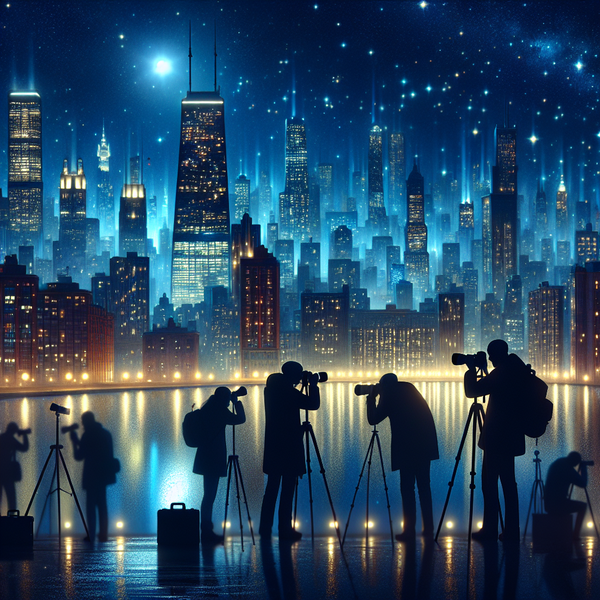
Night Photography Travel: Photographing Midnight Cities After Dark
There is a switch that flips when the sun goes down. Shop signs glow. Trains hum. Steam rises from vents like stage fog. If you love cameras and city energy, this is your time. Night photography travel turns busy streets into calm frames and turns neon into paint. In this guide you will learn city night photo tips, camera settings for night photos, and how to plan your best night shoots in urban nightscapes. We will walk through gear, exposure, long exposure travel photography, and a simple workflow you can use anywhere.
Whether you are new to low light or you have spent years chasing light trails, there is always one more scene to catch. The city never repeats itself. That is your advantage. You can return to the same corner and bring home a new story each night.
City night photo tips that turn crowded streets into calm frames
Let us start with an overview of what makes night work so addictive. First, the light is graphic. Street lamps create pools. Signs throw color across wet pavement. Car trails sketch lines through a frame. Second, the rhythm slows down. Tourists thin out, deliveries stop, and locals shift into late mode. That gives you room to compose. Third, noise and blur become style tools, not problems. You are not only documenting a place. You are drawing with light in motion.
Night photography travel matters because it reveals how a city feels after hours. Landmarks are one thing in daytime. At midnight they turn into silhouettes and shapes against a sky. You start to see patterns. You notice reflections and negative space. You notice how one strong subject can carry a frame. With the right plan and a few key settings, you can get sharp images that shine and also dreamlike long exposures that show time passing.
In the pages ahead, you will get a clear plan for scouting, a quick start set of camera settings for night photos, and ways to compose urban nightscapes that stand out. I will share small stories from the road, like the time rain in Lisbon saved a dull scene, and a trick I use in Tokyo to focus fast in the dark. By the end you will have a reliable way to decide when to go, where to stand, and how to set up your shots in minutes.
Long exposure travel photography workflow that works anywhere
Subsection 1: Scout and plan for the best night shoots
Great night frames start long before you hit the shutter. I like to walk my route during the day. I look for clean lines, safe spots to stand, and places where lights will turn on after dusk. Screenshots and map pins help a lot. I note bridge viewpoints, rooftops with public access, and streets with leading lines like rails or bike lanes.
Check event calendars too. If there is a parade or a game, traffic will thicken and light will spike. That can be good or bad based on your plan. A busy crossing gives rich light trails. A skyline view might look cluttered. If you want deep color in the sky, aim for blue hour, which is roughly 20 to 40 minutes after sunset and before sunrise. If you want deep contrast and bold neon, go full night.
Weather is your silent partner. After rain, streets turn into mirrors. Neon doubles. Headlights stretch. Some of my favorite urban nightscapes came after a quick shower. In Lisbon, I was set on shooting a tram at a corner with old tiles. The scene looked flat at first. Then a light rain hit. The street gleamed. The tram passed and the rails threw two bright lines toward the camera. That frame became a trip highlight.
Pick weekdays if you want less foot traffic and more control. Pick weekends if motion and crowds are the story. For safety, travel light and keep gear close. Use well lit spots and consider a buddy. Know local rules about tripods. Some areas require permits at night. It is better to ask than to pack up mid shot.
Subsection 2: Simple camera settings for night photos that just work
You can get clean night frames with a repeatable setup. Use this as a baseline and adjust to taste:
- Mode: Manual for full control, or Aperture Priority if the scene changes fast.
- Aperture: f/8 to f/11 for cityscapes to keep the frame sharp front to back. For portraits or detail, open to f/1.8 to f/2.8.
- ISO: 100 to 400 on a tripod for the cleanest files. Bump to 800 to 3200 if you are handholding in low light.
- Shutter: Start around 4 to 10 seconds for soft traffic trails. Go 15 to 30 seconds for long ribbons and water blur. Keep an eye on highlight clipping from street lamps and signs.
- White balance: Set a value that fits the scene, like 3200K to 4200K for a cool city look. Shoot RAW so you can fine tune color later.
- Focus: Use manual focus and magnify live view. Focus on a bright edge or high contrast sign. If your lens has an infinity mark, test it in daylight and learn the true spot.
- Stability: Tripod on solid ground. Turn off lens stabilization when the camera is on the tripod. Use a 2 second timer or remote release.
- Noise: Long exposure noise reduction can help on single shots over 10 seconds, but it doubles wait time. Many shooters batch clean noise in post instead.
- Metering and histogram: City highlights lie to meters. Use exposure compensation or manual to protect bright signs. Check your histogram and blinkies. Keep highlights just below clipping.
- Bracketing: For high contrast scenes, bracket 3 to 5 frames at 1 to 2 stops apart. Blend later for a balanced result.
If you prefer a quick start, here is a fast recipe that nails many scenes: ISO 100, f/8, 8 seconds on a tripod, manual focus, 2 second timer. From there, lengthen shutter until trails look right. If people turn ghosty in a way you do not like, shorten the time or wait for a lull.
Subsection 3: Compose movement and color in urban nightscapes
Composition after dark is about balance. One bright sign can overwhelm the frame. Place it using the rule of thirds or center it with strong symmetry. Use leading lines like guardrails, tram lines, or crosswalk stripes to pull the eye toward your subject. When you want starbursts from lights, close to f/11 or f/16. When you want smoother blobs of light, open the lens more.
Reflections are your friend. Hunt for puddles, polished stone, river banks, and canal edges. Drop the camera low to double the skyline. Clean the frame edges. Night scenes often collect clutter like trash cans, cones, or stray poles. A small step can hide them behind a subject or crop them out.
Mix still and motion. Let one depth layer stay sharp, like a statue or a street pole, while cars streak behind. This gives scale and energy. Try panning at 1/10 second along a passing bike or tram to freeze the subject while the background blurs into color stripes.
Work the scene. Take a safe frame. Then change angle, height, or focal length. Try a tight crop on one neon sign. Then pull back for context. Your best night shoots come from patience and small changes. Keep moving until the scene clicks.
Gear that makes night work easier
You do not need a huge kit. Keep it simple so you can move fast and stay safe.
- Camera: Any recent mirrorless or DSLR with good high ISO.
- Lenses: A wide zoom like 16 to 35 mm for skylines, a 24 to 70 mm for general use, and a small 35 mm f/1.8 for low light handheld.
- Tripod: Compact, sturdy, and fast to set up. A small travel tripod with a hook for weight works well.
- Remote or timer: Reduce shake. A cheap wired remote is enough.
- ND filter: Optional. Useful if you want longer streaks under bright signs.
- Extra batteries: Cold nights drain them fast. Keep spares warm.
- Microfiber cloth: Clean mist and drizzle off the front element.
- Rain cover or umbrella: Light rain adds drama. Keep gear dry and carry on.
- Reflective strap or band: Be seen when you step off a curb. Safety first.
Quick safety and etiquette notes
- Stay aware. Keep your bag closed and in front of you when you shoot.
- Use public space with respect. Do not block doorways or emergency paths.
- Ask if you are on private property. Some plazas or rooftops limit tripods.
- Blend in. Dark clothes help you vanish into the scene.
- Be kind to night workers. A friendly wave to a guard goes a long way.
How to pick the right exposure time for light trails
Every city has its traffic rhythm. Watch a cycle or two at a crossing. Count how long cars flow before a red light stops them. If the flow lasts five seconds, start with a 6 to 8 second exposure to connect trails across the frame. On a faster road, 10 to 15 seconds can paint long ribbons through an S curve. When trails blow out, lower ISO or stop down the lens instead of stacking NDs right away.
Tame mixed lighting
Cities throw many colors at your sensor: sodium vapor orange, LED blue, shop window green. A custom white balance can bring sanity. Point your camera at a neutral surface and set a manual value. Or choose a Kelvin number that fits the mood and stick with it for a series. Later, batch adjust in post. Shooting RAW keeps your options open.
Focus tricks that work in the dark
- Use magnified live view and manual focus on a bright edge.
- Place the focus box on a high contrast sign, lock focus, and recompose.
- If autofocus hunts, flip to manual and move the ring slowly while watching peaking highlights.
- For infinity scenes, focus one third into the frame at f/8 to f/11 to keep most of it sharp.
Handheld night shooting
No tripod? No problem. Lean against a wall. Brace your elbows on a railing. Use lens stabilization. Open the aperture wide. Push ISO to keep shutter at 1/60 or faster for still subjects, and 1/125 or faster for people. Handheld shots feel raw and alive. They pair well with slower tripod frames in one story set.
Stories from the road
Tokyo, Shinjuku. I wanted clean trails past a row of taxis. The first attempt had blown highlights in the signs. I dropped ISO to 100, stopped down to f/11, and took three bracketed shots. The middle shot kept the signs under control. The brightest filled in the shadows under the awning. The blend kept the glow without losing detail.
New York, DUMBO. Wind shook my small tripod on the pier. My 15 second frames looked soft. I hung my bag from the hook and stood with one foot on the tripod leg to dampen it. Then I cut shutter to 8 seconds and raised ISO to 200. The next frames came out sharp, with the bridge lights crisp and the water silky.
Lisbon, Alfama. A man walked into my long exposure, stopped, and turned. His pose became a ghost in the frame. I liked it. It showed life in the lane. I took another with no people for safety. In the end I printed both. One felt quiet. One felt human.
Practical field checklist for fast, reliable results
- Scout in daylight. Mark 3 to 5 spots within a short walk.
- Check sunset, blue hour, and moon phase. Plan your route by time.
- Pack light. Camera, two lenses, tripod, remote, cloth, spare battery.
- Set a starting preset: ISO 100, f/8, 8 s, RAW, manual focus, 2 s timer.
- Arrive early. Frame the scene and lock in composition before lights peak.
- Dial exposure to protect highlights. Use histogram, not the LCD preview.
- Make a clean anchor shot. Then experiment with angles and times.
- Bracket when contrast is extreme. Blend later if needed.
- Capture a handheld set for variety. Try 1/10 to 1/30 panning for motion.
- Review edges for clutter. Adjust height or move a step to clean the frame.
- Tag your best frames with stars so culling is faster later.
- Wrap up with a safety backup to a card or drive at your stay.
Post processing tips for polished night frames
- Start with white balance. Match the whole set for a steady mood.
- Lift shadows gently. Cities look best with some depth and dark tones.
- Control highlights with a tone curve or highlight slider to keep glow without losing detail.
- Use HSL to tame neon colors that overpower the scene.
- Apply noise reduction just enough. Keep texture in brick and road.
- Sharpen selectively with masks. Edges of buildings and signs need it most.
- Fix perspective. Vertical lines should be straight unless you want a dramatic tilt.
- Remove chromatic aberration and purple fringing around lights.
- Blend bracketed frames for wide dynamic range when needed.
- Crop with intent. Tighten the story and remove distractions.
Common mistakes and how to avoid them
- Blown highlights: Underexpose a touch, check blinkies, and bracket.
- Soft images: Stabilize the tripod, use a timer, and avoid windy spots.
- Focus misses: Manual focus with magnify. Recheck when you change focal length.
- Color chaos: Pick a consistent white balance and stick to it for a series.
- Cluttered edges: Scan the frame edges before each shot.
- Forgetting settings: Save a night preset on your camera for fast setup.
- Ignoring weather: A small shower can turn a good frame into a great one.
- Not telling a story: Shoot wides, mids, and details to build a full set.
Sample itineraries for night photography travel
- Classic skyline night: Blue hour at a riverfront, then full dark from a bridge or rooftop. Finish with reflections near a fountain or canal.
- Street energy: Busy crossing at rush hour, then a market lane, and end with a quiet alley for contrast.
- Monochrome mood: Pick scenes with strong shapes and light pools. Convert to black and white to focus on form.
This approach keeps your night compact and efficient. You get anchors, motion, and detail frames that edit into a strong story. It also uses the best light windows for each type of scene.
When to choose long exposure vs. short exposure
- Long exposure travel photography: Best for traffic trails, silky water, emptying a crowded square, or revealing patterns in moving clouds.
- Short exposure: Best when you want to freeze people, catch expressions, or keep rain droplets crisp in a backlit scene.
Mix both in one night. The contrast between still moments and stretched time makes your set feel rich.
How to keep your look consistent city to city
Create a small style guide for yourself. Choose a color tilt, like cool blue steel or warm amber glow. Choose a favorite focal length for hero shots, like 24 mm for big scenes or 35 mm for street stories. Choose a default shutter for trails, like 8 seconds, and adjust from there. Consistent choices across trips help people recognize your work.
Build a lightweight backup plan
- Carry two cards and swap mid shoot on long nights.
- Back up to a small SSD at your hotel after each session.
- Keep one copy in your bag and one in the room safe or a pocket.
Nothing kills the joy of the best night shoots like a lost card. A tiny backup habit fixes that.
Final small wins that add up
- Turn off stabilization on a tripod to avoid micro blur.
- Use a lens hood to cut flare from side lights.
- Carry a small towel to dry a bench or curb for low angles.
- Wear gloves with grip in winter so you can handle gear without drops.
- Keep camera firmware current. Some updates improve long exposure handling.
Conclusion: Chase the glow and tell the night story
Night shows a city at its most honest. You see the glow, the hush, and the rush all at once. With a plan for scouting, simple camera settings for night photos, and a steady long exposure travel photography workflow, you can walk into any city and come home with keepers. Use the city night photo tips above to find strong light, build clean frames, and stay safe while you explore.
Start small. Pick one route and one theme. Maybe reflections after rain. Maybe neon signs and people in silhouette. Give yourself two hours. Make a set of ten frames you love. That is how you build skill and style. The next trip, try a new neighborhood. Soon you will have a personal map of urban nightscapes and a stack of stories only the dark can tell.