
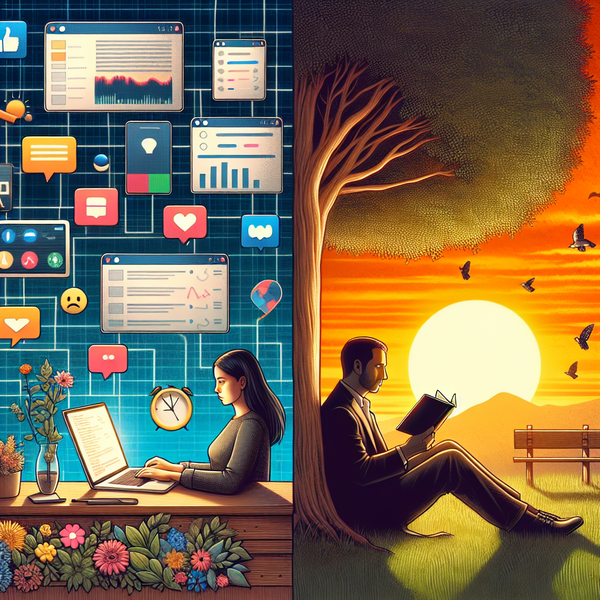
Is Digital Detox Really Worth It? What Happens After 48 Hours Offline
Digital detox after 48 hours offline: what really changes
You know that itchy feeling you get when your hand floats to your phone without asking your brain first. The habit is real. For many of us, a short digital detox feels scary, yet it might be the clean slate your mind has been asking for. In this guide, we will unpack what happens when you go offline for 48 hours. We will look at screen time patterns, the link to mental clarity, and why a social media break can refresh your mood fast. You will also get a simple plan for digital minimalism so you can keep the offline benefits after you come back online.
Here is the promise. Two days away from constant pings will not erase your job, your group chats, or your feeds. But it can reset your attention, quiet your stress, and sharpen your focus in a way that feels almost old school. Ready to see what happens after 48 hours offline and decide if it is worth it.
Why a social media break and digital minimalism matter right now
Digital life is not the enemy. It brings work, friends, news, and fun to your pocket. The problem is speed and friction. Every app fights for your eyes, and you pay for it with attention. A short digital detox helps you step out of that push and regain control over your time.
Think about your day. You pick up the phone to check one thing. Five minutes later, you are still hopping between tabs. That drift adds up. It steals deep work, sleep, and even small joys like sipping coffee without a tug to scroll. A social media break cuts the loop for a moment. It creates space for quiet, which your brain uses to restore mental clarity.
So why 48 hours. It is short enough to fit a weekend but long enough to notice a shift. You feel the habit cravings fade. You hear your own thoughts again. You also discover offline benefits you forgot about, like boredom that turns into ideas, meals that do not rush, and conversations that do not split your focus. This is the gateway to digital minimalism. It is not zero tech. It is using tech on purpose, not by reflex.
Key takeaway: A planned pause shows you which parts of your screen time help and which parts drain you. That insight makes a long term change much easier.
48 hours offline in practice: screen time reset, cravings, and mental clarity
Hour 0 to 6: The fidget phase
The first hours feel odd. Your thumb still reaches for icons that you moved or hid. You may feel a phantom buzz. That is your reward system asking for a hit of novelty. Do not judge it. Notice it. Swap the impulse with a small offline action. Stretch. Drink water. Step outside for two minutes. You are teaching your brain a new loop.
During this window, it helps to tie your phone to one spot. Put it in a drawer or a bag. Keep a notepad nearby for anything you want to look up later. This simple move reduces choppy micro tasks and sets the tone for the rest of your digital detox.
Hour 6 to 12: The boredom doorway
This block can feel slow. You might hunt for small bursts of stimulation. Resist the urge to replace doom scrolling with a different screen. Turn to low friction offline tasks. Wash dishes by hand. Sort a drawer. Walk a familiar route with no podcasts. These tiny wins expand your comfort with quiet, which is where mental clarity grows.
Many people notice their mood soften here. Without constant comparison, the inner chatter cools. If you took a proper social media break, you may also feel less pressure to perform or reply. You remember that it is fine to be unreachable for a few hours.
Hour 12 to 24: Sleep gets its say
At night, blue light stays out of your eyes. Your brain produces more melatonin. Sleep tends to come easier and deeper. You wake up with a clearer head. This alone can make a digital detox feel worth it. With extra rest, your patience expands. Your choices improve. Your day feels less jagged and more linear.
Hour 24 to 36: The focus return
Day two brings a quiet gear shift. The fidget fades. Your attention holds longer on single tasks. Reading a chapter is easier. Cooking is smoother because you are not hopping to check messages. You might notice ideas popping up in the shower or on a walk. That is your brain stitching together loose threads without constant input.
Here is a simple test. Pick a task that usually loses you to your phone. Maybe it is cleaning the kitchen or writing a page. Set a 25 minute timer and do it in one go. Then rest. Repeat. You will likely feel that the session takes less effort than it did before your break.
Hour 36 to 48: Reflection and reentry
As the end of your 48 hours approaches, take stock. Which moments felt rich. Which urges were the strongest. What offline benefits stood out. Write three short notes. This reflection will help you craft a reentry plan that supports digital minimalism instead of sliding back to old habits.
Expect a tug to binge at the finish line. Plan for it. Choose a gentle return. Check only one inbox. Visit only one social app. Stop when you feel the hook bite. This lets you keep the gains in mental clarity you built over the weekend.
Common pitfalls to avoid
- Starting a digital detox during a crisis or deadline. Choose a calm window so you can actually rest.
- Leaving people in the dark. Tell key contacts you are on a social media break and share an emergency number.
- Purging every app in a burst of zeal. Remove friction, yes, but build a system you will keep. Digital minimalism is a practice, not a purge.
What coaches and clinicians often see
Therapists often observe a fast drop in anxiety when clients reduce screen time for even a day. Many report less rumination and better mood. Productivity coaches see sharper focus after short breaks and stronger follow through on important tasks. Sleep specialists point to less late night stimulation as a simple win with large payoff. None of this requires you to go full hermit. It is about picking times to be offline on purpose and defending them like you would a workout or a meal.
Real life examples to make it concrete
- A teacher sets a 48 hour window every month when her phone stays in the kitchen. She spends Saturday morning planning the week with pen and paper. By Sunday night, lesson ideas flow faster and she feels calmer about Monday.
- A freelance designer moves social apps off the home screen and takes two day breaks during long projects. He reports fewer design ruts and better sleep during crunch time.
- A parent sets a household tech sabbath from dinner Friday to dinner Sunday. The kids grumble at first. Now they ask to play board games and bike to the park without prompting. The mood at home is lighter.
Key takeaway: Short, planned breaks reveal which parts of your digital life serve you. When you return with intent, you keep the offline benefits without quitting tech.
Practical checklist: your simple 48 hour digital detox plan
1) Set your purpose. Write one sentence you can look at when cravings hit. For example: I want more mental clarity and better sleep this weekend.
2) Pick your window. A Friday evening to Sunday evening break works for many people. If your work runs on weekends, choose midweek days.
3) Tell your circle. Send a quick note to friends, family, and any clients who might expect replies. Share an emergency contact and set an away message.
4) Prepare your space. Put chargers in another room. Place your phone in a drawer or a lockbox if needed. Keep a simple notebook and a pen handy.
5) Set device limits. Turn off non essential notifications. Move social media apps into a folder named Open After Detox. Log out to add a speed bump.
6) Define allowed tech. You can keep maps, music, or camera if you like. The goal is mindful use, not total abstinence. Be clear about what is in and what is out.
7) Fill your plan with analog anchors. Choose 3 to 5 activities that do not need a screen. Ideas: a long walk, cooking a new recipe, a used bookstore trip, journaling, drawing, working on a puzzle, a stretch session, or calling someone on a landline.
8) Make your mornings sacred. Avoid screens for the first hour after you wake up. This supports mental clarity for the rest of the day.
9) Protect your nights. No screens for 90 minutes before bed. Swap doom scrolling for a warm shower, herbal tea, and a paper book. Your sleep will thank you.
10) Plan for urges. When you want to check something, write it down. Set a two minute timer, breathe, and do a small task. Most urges pass by the time the timer ends.
11) Capture insights. At hour 36, write three observations: what was hard, what was easy, and what felt great. This helps you keep the offline benefits.
12) Reenter with intention. On Sunday night, choose one inbox and one feed to check. Set a 15 minute limit. Stop even if you feel behind. Maintain your new baseline of calm.
How to maintain the gains with digital minimalism
1) Create home screen hygiene. Keep only tools you use daily on page one. Move feeds to page two or off the phone. Add friction to time sinks.
2) Set a notification curfew. Choose a daily window when alerts are off. Example: 8 pm to 9 am. This preserves your evenings and mornings for recovery.
3) Use time boxing. Give social media a container. For example, 20 minutes after lunch, five days a week. If you want more, earn it with a walk or a chore.
4) Batch your checks. Handle messages at set times. Your brain will thank you for fewer context switches.
5) Keep a weekly mini detox. Try a half day offline every week. The rhythm makes each longer digital detox easier when you need it.
6) Embrace single tasking. When you do one thing at a time, you gain mental clarity without working longer. Use timers to support the habit.
7) Audit your feeds. Follow creators who teach, inspire, or connect you to values you care about. Mute or unfollow sources that spike your stress.
8) Guard your focus zones. Keep your desk clean. Close tabs. Put your phone in another room during deep work. Fewer temptations equal fewer slips.
9) Build social ties offline. A coffee chat, a shared walk, or a hobby group can replace a lot of casual scrolling. Offline benefits compound with practice.
10) Keep a Tech Wins list. Each week, note one change that helped. Maybe you read more, slept better, or had an unhurried meal. Small wins add up.
What if your job needs you online
- Define non negotiable blocks. Pick two hours a day for deep work without pings. Tell your team about these windows.
- Separate devices if you can. Keep work apps off your personal phone. Use profiles, or try a simple phone on weekends.
- Set response expectations. If people know you reply at 11 am and 4 pm, you can avoid constant checking.
What if you are a parent or caregiver
- Safety first. Keep the phone on for urgent calls, but remove high friction apps for the 48 hour window.
- Share the plan with kids. Make it a family challenge. Create a simple offline menu of activities they can choose from.
- Use a kitchen timer. When you need to check something, set a five minute timer, do it, then return to the moment.
Measured signs your digital detox is working
- You wake up before your alarm or feel more rested.
- Your urge to check the phone drops from constant to occasional.
- Your attention holds longer on books, tasks, or conversations.
- You catch yourself smiling more during simple moments.
- You are less reactive to news and more present with people.
Myths that keep people from trying
- Myth: You must go cold turkey for a month. Reality: Even 24 to 48 hours can help reset screen time habits.
- Myth: Digital minimalism is for tech haters. Reality: It is for anyone who wants their tools to serve their goals.
- Myth: A social media break will make you miss out. Reality: You miss less than you think, and you gain mental clarity you can feel.
Conclusion: Is a 48 hour digital detox worth it
If you want more focus, calmer mood, and better sleep, the answer is yes. Two days offline shows you where your attention leaks. It gives you space to breathe, think, and reset. The offline benefits are not abstract. You feel them in your body and see them in your schedule. You spend time on work and people that matter. You stop chasing the next ping.
Use the plan above to run your first 48 hour digital detox this week or next. Keep your notes. Then bring that clarity back with a light touch of digital minimalism. Put your phone in its place. Build small routines that protect your time. Your future self will thank you.