
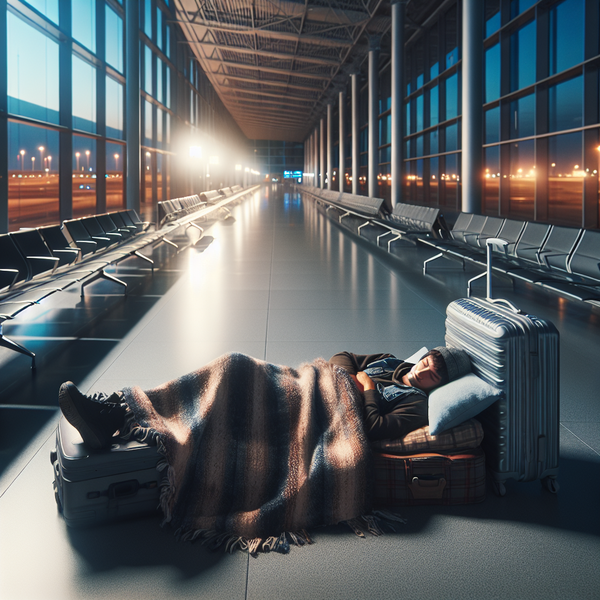
I Slept in an Airport on Purpose: Airport Sleeping Tips and the Surprisingly Good Parts
I did it on purpose. I zipped my hoodie, tucked my backpack under my knees, and decided to spend the night at the terminal. It was not rock bottom. It was strategy. I wanted to test real airport sleeping tips, try smart layover hacks, and write a transit travel guide that did not feel like another copy of a copy. Turns out, there are good parts to this strange little adventure, and you can make them happen without misery. Here is how it went, what I learned, and how you can repeat the best bits on your next long layover.
Overview For Real Travelers: A Transit Travel Guide to Deliberate Airport Sleep
Sleeping at the airport sounds like a dare. In practice, it can be a calm, budget friendly move if you plan it right. I chose an overnight because my inbound flight landed late, my outbound left early, and the nearest hotel would have taken more time and money than I wanted to spend. No shuttle. No check in drama. Just roll from a quiet gate to a morning boarding call.
Here is the surprising part. With a bit of prep, an airport can be a cozy micro world. There is light, security, bathrooms, snacks, and plenty of fellow night owls. Staff are usually kind. Cleaning crews smile. The hum of air con turns into white noise. If you pick your spot with care and pack smart, you might even wake up refreshed.
In this transit travel guide, I will walk through what worked for me, what to avoid, and how to make your own plan. We will cover airport survival tips, the best airports to sleep, a bunch of long layover activities to keep spirits up, and the exact layover hacks that saved my back and my budget.
Detailed Breakdown of My Overnight Strategy From First Yawn to Gate Call
Seat Scouting and Gear: Airport Sleeping Tips That Actually Work
The first hour decides your night. Before I even looked for a seat, I checked if the terminal stayed open 24 hours, and whether I needed to stay airside. Policies vary by city and by day of the week. Some airports sweep landside at night. Others corral sleepers into a specific zone. A quick scan of the airport website or the info desk can save you a cold walk to the curb at 2 a.m.
Then I started the hunt. I walked two full concourses before I picked my spot. The best place was away from the loudest hubs but not so hidden that I felt alone. I looked for soft seats without armrests, carpeted floors, and nearby outlets. A big window with a view of the runway was a bonus. Watching a pink sky creep under a wing beats any hotel art print.
What I packed mattered more than I expected. Here is the short list that changed everything:
Eye mask and earplugs. Bright lights and beeps never stop. These are non negotiable airport sleeping tips.
Neck pillow or compact travel pillow. I used a compressible pillow and it was perfect as a knee wedge or head support.
Light scarf or soft hoodie. Works as a blanket and blocks overzealous air con.
Portable battery and short charging cable. Outlets are never where you need them.
Wipes and a small toothbrush kit. A quick refresh changes your mood.
Snacks and a refillable bottle. Some food courts close early. A bottle saves cash after security.
One more move that helped a lot. I tucked my bag straps under my legs, rested a foot through a strap, and kept valuables in a thin waist pouch under my shirt. I slept deeper just knowing I had a small deterrent. Keep it simple. Keep it subtle.
Safety and Comfort: Airport Survival Tips for Solo and First Time Sleepers
I like to feel safe when I sleep. That frame of mind needs to be part of any transit plan. My process is boring and it works:
Ask staff where overnight travelers usually rest. They know the zones with cameras and cleaning schedules.
Stay in sight of other travelers. Isolation looks peaceful, but a quiet gate near a security camera is a better balance.
Avoid exit doors and cold vents. Temperature shifts are brutal after midnight. You do not want to wake to a gust on your neck.
Limit unpacking. I only took out what I used. Less stuff spread out means less to watch.
Set gentle alarms. I set two alarms on my phone and a watch. The first was a mid sleep check. The second was a hard wake up.
Small comfort wins stack up. I loosened my shoes, put on fresh socks, and did a few calf raises every hour before sleep. A clean face and a quick stretch made the seat feel less like a bench and more like a nest. These are simple airport survival tips, yet they make a huge difference at 3 a.m. when the floor crew glides by and the world smells like lemon cleaner.
Money and Time: Layover Hacks That Save Cash and Sanity
The math for overnight airport sleep is not just about dollars. It is about time saved and stress reduced. Here are the layover hacks that gave me the best ratio of comfort to cost:
Use a lounge pass strategically. If you have Priority Pass or a credit card perk, check which lounges stay open late or reopen early. A shower right before boarding is bliss. If lounges close overnight, arrive just before closing for a hot meal, then sleep in the quiet zone and return for a dawn shower.
Scope day rooms and sleep pods. Some airports have capsule hotels, nap rooms, or hourly mini hotels airside. Think Aerotel, Yotel style, or GoSleep pods. They sell out fast on stormy nights. Book back up options in your transit travel guide plan if you are nervous about first time sleepovers.
Preorder food on your phone. Late night menus are slim. Preordering for pick up right before closing means you can eat well and avoid a stale muffin at 5 a.m.
Pick a gate with late departures. Areas with red eye flights tend to have more open shops and more people. More light. More sound. More staff. That feels safer and gives you better odds of finding power.
Keep screenshots of your boarding pass and local transport info. If your app logs out or a SIM hiccups, you have what you need. Zero panic.
None of this is fancy. But together these layover hacks turn a hard pass into a solid yes. I woke up, stretched, brushed my teeth, and walked five minutes to my gate. No shuttle. No traffic. No rush.
Practical Checklist You Can Copy for Your Next Long Layover
Here is a fast, practical plan you can run without stress. It blends airport sleeping tips, airport survival tips, and long layover activities so you can rest and still feel human.
1. Confirm policies. Check if the terminal is 24 hours, if you can stay airside, and whether security closes at night.
2. Map your zones. Mark quiet areas, prayer rooms, family rooms, or dedicated rest zones. Some airports mark them on maps.
3. Claim a spot early. Before midnight, scout seating without armrests or soft carpet corners near outlets. Never block walkways.
4. Layer up. Temperatures swing. A light base layer and a hoodie or scarf beat a flimsy blanket every time.
5. Set a two alarm system. One check in alarm, one final wake up alarm. Back them up with a watch if you have one.
6. Snack smart. Protein bar, nuts, and fruit do better than sugar bombs. Hydrate early to avoid late night bathroom runs.
7. Clean up kit. Wipes, toothbrush, tiny toothpaste, and a small moisturizer. Your face will thank you in the morning.
8. Pack light but secure. Bags under legs, valuables close to body. Keep your footprint small to stay nimble and safe.
9. Plan two long layover activities. Read a short book, watch a movie, sketch, or walk laps. Purposeful movement makes sleep easier.
10. Respect the space. Be kind to staff, do not hog seats, and keep noise low. Good vibes spread fast in quiet hours.
Print or save this checklist in your notes app. Add reminders for any lounge access or sleep pod bookings. This is the part of the transit travel guide that turns theory into a peaceful night.
Best Airports to Sleep and Why They Shine for Overnight Rest
Not all terminals are created equal. Some feel like bright shopping malls. Some feel like quiet hotels with jet bridges. If you can choose your route, aim for the best airports to sleep. These standouts have soft seating, friendly policies, and useful overnight services.
Singapore Changi. The legend. Dedicated rest zones, indoor gardens, a cinema, and a pool. Showers, nap areas, and blocks of carpet make it easy to relax. If you want a model for best airports to sleep, start here.
Doha Hamad. Calm spaces, art installations, and a wellness center with a pool and gym. Sleep pods and lounges abound. Lighting is gentler than average, which helps sleep cycles.
Seoul Incheon. Cultural exhibits, rest lounges, and quiet seating tucked away from the main flow. Free showers in some terminals and solid late night food choices.
Helsinki Vantaa. Cozy design, warm lighting, and quiet corners. The vibe is gentle. Great for winter routes when you want calm more than spectacle.
Munich. Clean, efficient, and dotted with benches you can actually stretch on. In winter, the seasonal ice rink adds charm if you need a fun lap before bed.
Vancouver. Pacific art, soft seats, and peaceful mood lighting. If you are crossing the Pacific, this can be a restful midpoint.
Zurich. Orderly, safe, and surprisingly relaxed overnight. Great signage and helpful staff if you need a little guidance.
Amsterdam Schiphol. Plenty of seating, a library area, and nap friendly nooks. Clear info desks and early morning food options make mornings painless.
Even at the best airports to sleep, always check terminal specific rules. Some zones close for cleaning. Some switch lights on bright at 4 a.m. Have a backup corner in mind so you can shift without losing your calm.
Long Layover Activities That Make Time Fly and Sleep Easier
You do not have to spend your entire layover horizontal. A few smart activities help your body wind down and keep your mood steady. Rotate two or three of these long layover activities to avoid that empty, time warp feeling.
Walk a circuit. Pick a loop past two gates and stroll it every hour. Gentle movement lowers stress and helps you sleep later.
Stretch corner. Find a quiet nook and do a simple flow. Neck rolls, shoulder releases, calf stretches, and a few squats do wonders. Keep it low key and respectful.
Mini spa. Face wipe, moisturizer, and a quick hair refresh. Hydrate. Tiny rituals make you feel human fast.
Art hunt. Many airports display local art or sculpture. Make it a game. Snap photos for a personal gallery. Focus equals calm.
Terminal journaling. Jot notes about each hour. The hum of cleaning machines. A funny announcement. A sunrise glow over the wing. Write it down and you will notice more joy in small things.
Quiet media. Download a podcast episode or two. Pick calm voices or travel stories. Avoid loud thrillers if you want to sleep soon.
Shower reset. Time a shower just before your planned sleep window if the airport offers one. You will slip into rest mode faster and deeper.
These are not filler tasks. They are tools. When you craft your own list of long layover activities, think about what calms your mind and what aligns with your energy. Choose light, simple tasks that make the terminal feel like your space, not a place you are stuck in.
A Few Extra Airport Survival Tips You Will Be Glad You Knew
Night shifts in airports have their own rhythm. Here are bonus moves that did not fit elsewhere but belong in every transit travel guide.
Check for power saving timers. Some outlets cut off after a set time. If your phone stops charging, move one seat over.
Use the right rest zone at the right time. Family rooms are great until an early morning flight arrives. Quiet zones near premium gates often stay calmer until sunrise.
Watch for floor cleaning patterns. Crews move in waves. If they start two gates away, plan a brief stretch break while they pass your area.
Mind your posture. If benches have armrests, try a diagonal sit with your feet up on your bag and your pillow behind your shoulder. This takes pressure off your lower back.
Keep your shoes handy. You may need to shift seats quickly. Slip ons rule the night.
Respect prayer and meditation spaces. These are not nap zones unless posted otherwise. Be considerate.
Have a backup caffeine plan. If coffee stalls close early, bring tea bags or instant coffee and ask for hot water from a 24 hour spot.
These airport survival tips can sound small. But they stack up to a night that feels smooth instead of chaotic.
Real Talk: The Surprisingly Good Parts of Sleeping at the Airport
Here is what I liked the most, beyond the savings.
Zero commute stress. I woke, brushed my teeth, and was at my gate in minutes. No traffic. No shuttle guesswork. No missed alarm panic.
Strange but lovely quiet. Terminals have a calm that hits between 2 and 4 a.m. Floor polishing hums. Distant radio chatter. A few soft laughs. It felt safe and almost cozy.
Morning light show. Watching the sky warm behind a sleeping jet is unreal. It set the day right without a fancy view.
Friendly night crew energy. Staff on nights tend to look out for regulars and newbies. A cleaning lead nudged a chair near me so I could stretch my legs. That small kindness defined the whole night.
Budget win. No room bill. No taxi. I used that money for a great breakfast at my destination instead.
I would not choose airport sleep every time. But with the right plan, it is not a horror story. It is manageable. Sometimes it is even pleasant.
Frequently Asked Qs About Airport Sleep and Long Layovers
Is it allowed to sleep in airports? Often yes, but rules vary. Many airports permit quiet rest in public areas. Some limit overnight access to certain zones. Always check the airport website and ask at an info desk.
Where is the best place to sleep? Look for soft seats without armrests, carpet, and outlets. Corners near windows can be warmer. Stay where cameras and staff are present. The best airports to sleep also mark dedicated rest areas on maps.
How do I keep my stuff safe? Minimize unpacking. Secure bag straps under your legs. Keep valuables on your body. Sit where you can see your surroundings.
Will I feel gross in the morning? Not if you plan a quick refresh. Pack wipes, a toothbrush, and a clean shirt. If showers are available, time one for early morning or just before sleep.
What if my layover is longer than 8 hours? Mix in long layover activities. Walk laps, read, nap, and consider a lounge or day room for a mid layover reset. Rotate activity and rest to protect energy.
Conclusion and Next Steps for Confident, Cozy Transit Nights
Spending a night at the airport is not only for the super frugal or the very unlucky. With smart airport sleeping tips, a few layover hacks, and a calm plan, it can be a solid move that saves money and nerves. The best airports to sleep make it easy, but even average terminals can work if you scout well, pack light, and respect the space. Use this transit travel guide to plan your next overnight, pick two long layover activities, and build a check list before you fly.
The goal is simple. Less scramble. More control. Rest enough to arrive ready. If that sounds good, then your next smooth connection might start with a hoodie, a quiet corner, and a sunrise over the wing.
Meta Description
Honest, friendly airport sleeping tips with real layover hacks, a simple transit travel guide, the best airports to sleep, and long layover activities that keep you rested and ready.