
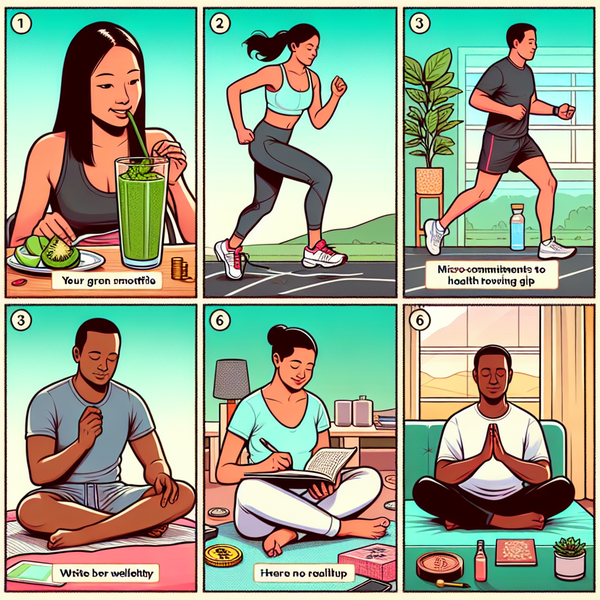
Build a Lasting Wellness Routine with Tiny Micro-Commitments
Habit Formation Made Simple: Build a Wellness Routine That Sticks with Micro-Commitments
You want to feel better, move more, eat well, sleep deep, and stay calm. But life is loud. Meetings pop up, kids get sick, the gym is across town, and motivation fades by Wednesday. Here is the bright spot: habit formation does not require a full life overhaul. Micro-commitments can build a wellness routine that sticks. They sharpen consistency, nudge real behavior change, and pair well with habit stacking. In this guide, you will learn how to make tiny steps that lead to big wins without burning out.
We will cover what micro-commitments are, why they work, and how to use them in daily life. You will see examples, common mistakes to avoid, and a clear plan you can start today. By the end, you will have a set of simple moves that make healthy choices almost automatic.
Why Micro-Commitments Power Behavior Change and Consistency
A micro-commitment is a tiny action that takes very little time or effort. Think 60 seconds of stretching after you turn off your alarm. One glass of water before coffee. Two deep breaths before you open your laptop. These actions are so small they are hard to skip. This is the secret sauce behind habit formation.
Here is why micro-commitments help your wellness routine:
They lower friction. Starting is the hardest part. When the step is small, you start. Starting leads to doing more.
They protect your energy. You do not need a mood boost or a burst of motivation. You can act even when you feel tired.
They build identity. Small wins stack up. You start to see yourself as the kind of person who keeps promises. That identity shift locks in consistency.
They trigger the habit loop. Cue, action, reward. Micro-commitments make the action part ultra easy. Rewards follow fast, so your brain wants to repeat it.
Picture Maria. She wants to move more but feels swamped. She sets a micro-commitment: one minute of marching in place while the kettle boils. Day one, easy. Day two, she adds 10 squats. Week two, she walks after dinner for 10 minutes. Two months in, she is moving 150 minutes a week. The spark was tiny and the flame grew slow, but it grew steady.
From Tiny Steps to Lasting Consistency: A Detailed Breakdown of Habit Formation
Design Micro-Commitments That Fit Your Real Life
Not all small steps are equal. The right micro-commitment feels almost too easy and fits inside your actual day. Use these rules to design yours:
Make it obvious. Place gear where you can see it. Shoes by the door. Water bottle on the desk. Yoga mat next to the bed.
Make it small. Start with 30 to 120 seconds. If it takes longer, shrink it. One set. One sip. One page. One stretch.
Make it specific. If you say I will exercise more, your brain shrugs. If you say After I brush my teeth, I will hold a 30 second plank, your brain knows exactly what to do.
Make it rewarding. Pair your action with a tiny reward. Check a box. Enjoy a short song. Sip a favorite tea. A quick hit of pleasure seals the loop.
Example: You want better sleep. A micro-commitment could be power down screens at 9:30 pm and do 2 minutes of box breathing in bed. You might feel tempted to scroll. But the action is short, and the reward is instant calm.
Example: You want to cook more. A micro-commitment could be wash and cut one vegetable right after lunch. That one cut makes dinner faster. Fast dinner makes future cooking more likely.
Use Habit Stacking to Anchor New Actions to Old Routines
Habit stacking means you attach a new tiny habit to something you already do. The existing routine becomes your cue. This is gold for behavior change because you do not need to remember a new time or place.
Use this format: After I [current habit], I will [micro-commitment].
Here are stacks for a wellness routine:
- After I pour coffee, I will drink a full glass of water. Hydration stack.
- After I hang my keys, I will do 10 calf raises. Movement stack.
- After I open my calendar, I will schedule a 10 minute walk. Planning stack.
- After I finish dinner, I will prep oats for morning. Nutrition stack.
- After I brush my teeth, I will write one line in a mood log. Mental health stack.
You can also stack for work stress: After a tense meeting, I will take 3 slow breaths while standing. That stack uses a repeat cue and a short reset that you can do anywhere.
Pro tip: Put the new habit right next to the old one in time and space. If the old habit happens in the kitchen, do the new one there too. If the old habit happens in the bedroom, keep the new action nearby. Close beats far.
Shape Your Environment for Automatic Consistency
Your space either helps or fights your habits. Make the good choice the easy choice.
Reduce friction for good habits. Keep a bowl of washed fruit on the counter. Pack gym clothes inside your bag at night. Put a resistance band around your chair leg.
Increase friction for not so good habits. Move snacks to a high shelf. Log out of streaming apps on weekdays. Keep your phone charger in another room.
Use visual cues. A checklist on the fridge. A water bottle with marks. A sticky note on the monitor that says Stand and stretch at 3 pm.
Set a floor and a ceiling. Floor is the minimum you will do even on the worst day. Ceiling is the maximum you will do on the best day. Floors build consistency. Ceilings prevent overdoing it and burning out.
Common mistakes to avoid:
- Starting too big. A 45 minute workout plan feels noble on Sunday and impossible by Thursday. Start tiny.
- Chasing streaks without a safety plan. One miss does not break you. Plan a comeback rule so you bounce right back.
- Waiting for motivation. Action creates motivation, not the other way around. Do the tiny step first.
Practical Tips to Build a Wellness Routine You Keep
Here is your toolbox. Pick a few tips and try them for one week. Keep what works. Drop what does not. Adjust and keep moving.
1) Use the Two Minute Gate. Any habit should start under two minutes. Two minutes of walking. Two minutes of reading. Two minutes of meal prep. This lowers resistance and boosts consistency.
2) Write an Implementation Intention. Spell out when and where. For example: At 12:30 pm in the kitchen, I will chop one vegetable for dinner. Clarity reduces choice overload.
3) Pair with Pleasure. Try temptation bundling. Listen to a favorite podcast only during your walk. Watch a feel good video only while you stretch. Your brain will look forward to the habit.
4) Track Tiny Wins. Use a simple grid. Mark M for movement, N for nutrition, S for sleep, C for calm. Do not aim for perfect. Aim for progress. You can also draw three boxes a day and fill them with a pen. Low tech works great.
5) Set a Ridiculous Floor. The floor is so small you can do it on bad days. One push up. One inhale and one exhale. One sip of water before coffee. Floors keep the chain alive.
6) Use the Never Miss Twice Rule. If you miss today, do the smallest version tomorrow. Perfection is fragile. Consistency is flexible.
7) Plan B and Plan C. If it rains, I will do a 5 minute indoor circuit. If I forget my lunch, I will buy a salad and add a protein. Backup plans reduce setbacks.
8) Stack to Anchor Habits. After brushing teeth, floss one tooth. After starting the shower, stretch your calves for 30 seconds. Habit stacking turns daily moments into triggers.
9) Build Identity with Language. Say I am a person who moves daily even if it is small. Identity drives behavior change. Behavior then reinforces identity. It is a loop you control.
10) Design the Path. Layout your next action at night. Prep oatmeal, fill your bottle, place shoes by the door. Make tomorrow easy today.
11) Use Tiny Deadlines. Set a phone timer for 5 minutes. When it rings, you can stop or keep going. Most days, you will keep going.
12) Celebrate Micro Wins. Smile. Say out loud, Nice job. Put a check on the calendar. Small celebrations matter. They teach your brain that this felt good.
13) Scale with the 1 Percent Rule. Add just a bit each week. One more minute of walking. One extra glass of water. One extra hour of sleep per week until you hit your goal. Slow growth sticks.
14) Create Focused Themes. Give each day a theme to reduce decision fatigue.
- Move Monday: one short workout
- Tidy Tuesday: 5 minutes to prep healthy snacks
- Wind Down Wednesday: 10 minute bedtime routine
- Thankful Thursday: 2 minutes of gratitude
- Flex Friday: 5 minute stretch flow
- Social Saturday: text a friend to plan a walk
- Slow Sunday: digital break for one hour
15) Build a Wellness Routine Map. Use four pillars: move, fuel, rest, reset. Write one micro-commitment for each pillar that fits your schedule.
Pillar examples you can copy and tweak:
- Move: 60 seconds of squats before shower. 5 minute walk after lunch. Stretch while the kettle boils.
- Fuel: Drink water before coffee. Add one fruit to breakfast. Prep one veggie at lunch for dinner.
- Rest: 2 minutes of breathing at 9:30 pm. Dim lights at 9 pm. Put phone to charge outside the bedroom.
- Reset: 3 breaths before meetings. One line in a journal after dinner. One short note of gratitude before bed.
16) Put Friction in the Way of Old Habits. Delete food delivery apps from the home screen. Keep snacks in the garage. Turn off autoplay on streaming apps. If it is harder to do, you will do it less.
17) Ask the Magic Question. What is the smallest step that still moves me forward? Then do that.
18) Use Social Leverage. Tell a friend your micro-commitment. Share a photo of your checked calendar. Join a small group chat. Friendly eyes help you stay consistent.
19) Run Weekly Retros. On Sunday, take 5 minutes. What worked. What did not. What will I change. Adjust one thing. Small course corrections keep you on track.
20) Protect Sleep First. Sleep is a force multiplier for habit formation. With better sleep, behavior change gets easier. Set a firm lights out time. Build the smallest wind down routine and stack the rest later.
Real Life Examples: Micro-Commitments Across Common Goals
Here are short, real world plans that show habit stacking and micro-commitments at work.
Goal: Move more with a busy job.
- After starting coffee, do 20 countertop push ups.
- After lunch, walk 5 minutes outside or in the hall.
- After the last meeting, hold a 30 second plank.
Why it works: Each step attaches to a daily cue. The total time is short, but the streak builds confidence and strength. Consistency beats intensity.
Goal: Eat more whole foods.
- After breakfast, wash two apples and put them on the counter.
- After checking email, order groceries with pre cut veggies.
- After dinner, set oats to soak with cinnamon and chia.
Why it works: You make the better choice faster than the old one. You avoid decision fatigue and lower friction.
Goal: Reduce stress at work.
- After opening your laptop, do 3 slow breaths. In through the nose for 4, hold 2, out for 6.
- After a tense call, loosen your jaw and roll your shoulders for 30 seconds.
- After you close your laptop, write one line about something that went well.
Why it works: Fast resets during the day prevent stress from stacking. A small win at the end boosts mood and sleep.
Goal: Sleep better.
- After dinner, make chamomile or a decaf tea.
- After 9 pm, switch on a low lamp and dim a bright light.
- After brushing teeth, read a paper book for 5 minutes.
Why it works: Light cues tell your brain it is night. Tea and reading become anchors. Short steps lower screen time and help you drift off.
Build Momentum: How to Scale Micro-Commitments Without Losing Consistency
Start tiny, then grow slow. Here is a simple three stage path for behavior change that lasts.
Stage 1: Establish the spark. Choose one action per pillar. Keep it under 2 minutes. Do it daily no matter what. This creates early wins and a sense of identity.
Stage 2: Expand the action. Add 1 percent each week. Walk 1 minute more. Add one more serving of plants. Extend your wind down by 3 minutes. Keep changes slow enough that they feel easy.
Stage 3: Evolve the system. Stack habits into small routines. Move from single actions to mini flows. Example evening flow: prep oats, fill water bottle, dim lights, stretch calves. Four steps, 6 minutes, big results.
Watch for these speed bumps:
- All or nothing thinking. If you cannot do it all, do the floor. One breath. One sip. One stretch. Keep the chain alive.
- Perfection traps. Perfection is fragile. Progress is durable. Aim for 80 percent days over 100 percent days that crash.
- Hidden friction. If you keep missing a habit, find the friction and remove it. Shorten it, move it, or change the cue.
Your Weekly Wellness Routine Template
Use this simple plan to build consistency. Adjust the times and steps to your life. Keep it light and repeatable.
Morning
- After you wake, drink water and do 60 seconds of stretches.
- After you start coffee or tea, take a multivitamin or prep fruit.
- After you check the weather, schedule a 10 minute walk in your calendar.
Midday
- After your first meeting, stand and reach overhead for 30 seconds.
- After lunch, prep one item for dinner. Chop a veggie or thaw a protein.
- At 3 pm, take a mindful minute. In for 4, hold 2, out for 6, repeat 4 times.
Evening
- After dinner, put screens away for 20 minutes and take a short stroll.
- After you return, prep breakfast and fill a water bottle for tomorrow.
- At 9 pm, dim lights and read for 5 minutes in bed.
Weekend Reset
- Pick one 30 minute block for batch prep. Wash fruit, roast veggies, cook a grain.
- Review your tracker. Celebrate what worked. Adjust one thing for next week.
Conclusion: Small Steps, Steady Wins, Strong Wellness Routine
You do not need perfect willpower to change your life. You need a plan that respects how brains work and how days actually unfold. Micro-commitments keep habits small and startable. Habit stacking ties them to cues you already have. Environment design removes friction. These tools make habit formation simple and help you build consistency without drama.
Pick one area today. Movement, food, sleep, or stress. Choose one micro-commitment that takes two minutes or less. Stack it to a cue. Do it today. Do it tomorrow. Keep your floor low and your wins frequent. Behavior change is not a sprint. It is a gentle, steady climb. And with micro-commitments, each step is small enough to take, even on busy days.