
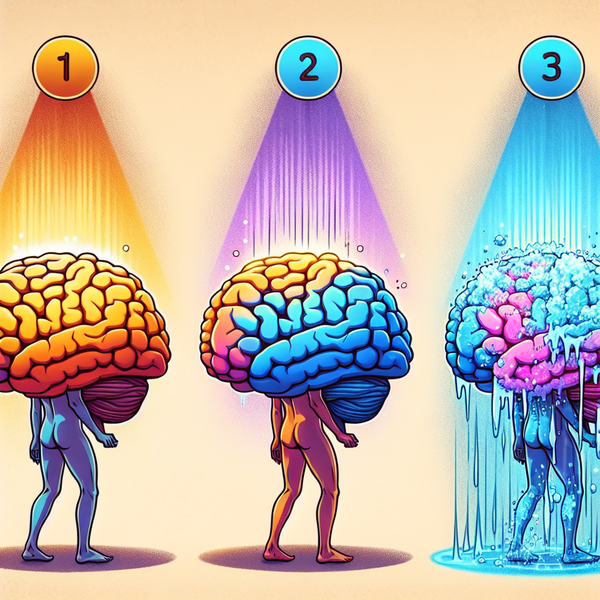
Can Cold Showers Rewire Your Brain? The Neuroscience of Ice Therapy
Step into a cold shower and your whole world changes in one second. Your breath pops, your skin fires up, and your head goes from fog to focus. People swear by cold therapy for a fast mood boost, sharper brain function, and steady energy. But what is going on under the hood when you practice cold exposure? And can a simple splash of icy water nudge your brain to learn new tricks through hormesis, the body method of growing stronger under small stress?
In this guide, we will break down how cold showers affect your nerves, hormones, and mood. We will look at what science suggests about brain wiring, how to use cold therapy with care, and the steps to build a safe habit. By the end, you will know what is hype, what helps, and how to try it without turning blue.
Big Picture: How Cold Exposure Talks to Your Brain
Cold exposure is a stressor, but not all stress is bad. Think of a workout. You push muscles, they rebuild stronger. With cold therapy, the stress is short and controlled. That small stress can spark a chain of signals that touch your skin, nerves, brain stem, and higher brain areas. This is the backbone of hormesis. A little stress, used well, can help your brain function better over time.
Here is the simple map. Cold hits the skin. Sensors send a flash of messages along nerves. Your body releases chemicals like norepinephrine and dopamine. Your heart rate first jumps, then may slow as the vagus nerve responds. Breathing changes. Blood vessels constrict at the surface and shunt blood to your core. The brain reads all of this as a wake up call. Many people feel alert, calm, and clear after even one to three minutes of cold water. That quick mood boost seems to come from a mix of chemical release and a shift in focus. You are in the moment, not in your head.
With repeat sessions, the effect can grow. Your system gets better at handling cold. You may see less shock, faster recovery, and steadier energy after a cold shower. This is called adaptation. It is like your nervous system learns a new pattern. Scientists connect this to changes in neurotransmitters, in blood vessel tone, and in the way your brain responds to stress. Over time, those changes can support attention, resilience, and perhaps even learning.
Deep Dive: From Skin Sensors to Mood Boost and Focus
Subsection 1: The first 90 seconds and the stress switch
The moment cold water hits your neck or upper back, your body runs a fast script. Skin receptors signal the brain stem. The fight or flight system flicks on. Norepinephrine rises fast. Blood vessels tighten to hold heat. You feel a rush. Many people also show a bump in dopamine, which pairs alertness with drive. This mix can lift mood and sharpen focus for hours in some people.
That is the short term spark. What about rewiring? Here is one path. Cold stress can increase a growth factor called BDNF in some contexts. BDNF helps neurons connect and adapt. Think of it as fertilizer for brain pathways. When you face a small stress and recover, your brain tags that pattern as learnable, not scary. Over repeat days, your stress switch gets less touchy. You feel the cold, but you do not panic. Your mind stays steady. That is resilience in action, and it can carry over to normal life stress.
A quick story to ground it. A friend used to stall every morning. Endless scrolling, no start. She began a two minute cold shower at the end of her warm shower. The first week was loud. Short gasps. A lot of pep talks. By week three, she noticed a steady lift in morning drive. She opened her laptop faster. She delayed coffee because she felt awake. The water did not change her job, but it changed her state, which changed her habits.
Subsection 2: Inflammation, recovery, and clean energy
Cold therapy is known for helping sore muscles. Short cold exposure can lower perceived soreness after hard training. It can nudge inflammation down and may speed recovery in some cases. There is a flip side. If you chase big muscle growth, dunking in very cold water right after lifting may blunt some signals that build strength. So timing matters. Place intense cold away from your heavy strength sessions if you want the full growth signal.
Beyond soreness, cold can change energy use. Your body has brown fat, a tissue that burns fuel to make heat. Regular cold exposure can activate brown fat and support thermogenesis. That can raise baseline energy use a bit and help with cold tolerance. People often describe a clean energy wave after a cold shower. That is likely the combo of catecholamines, tighter blood vessels, and a little extra heat output as you warm back up.
There is also the vagus nerve angle. After the first jolt, many people notice a sense of calm. Controlled breathing under cold helps the vagus nerve settle your system. Heart rate variability may improve over time with regular practice. Less reactivity to stress can follow. The net result can feel like a brighter mood with a calmer base.
Subsection 3: Habits, common mistakes, and what experts tend to say
Cold showers are simple, but small details make a big difference. Coaches and neuroscientists who study stress response tend to agree on a few points. Go quick and controlled, not long and brutal. Stack the habit to something you already do. Track how you feel across weeks, not days.
Here are common mistakes to skip:
- Going too cold on day one. You shock yourself and bail. Start mild and build.
- Holding your breath. This can be risky and makes panic worse. Keep a steady breath.
- Long ice baths right after heavy lifting when you want max muscle growth. Give yourself hours before deep cold, or save deeper cold for rest days.
- Chasing badges. More minutes is not always more benefit. The hormesis sweet spot is short and firm, not extreme.
- Ignoring health flags. Heart issues, blood pressure problems, nerve pain, or pregnancy need a chat with a clinician first.
One more note on mood. Cold is not a cure for depression or anxiety. It can be a tool in a kit. The kit may include sunlight in the morning, walks, social time, and good sleep. Cold helps many people start action when they feel stuck. Action then feeds mood. That cycle is the real win.
Practical tips and a beginner plan you can follow
Use these steps to get the benefits of cold therapy without overdoing it. Aim for a simple plan you can repeat. You can mix cold showers with warm water habits like a normal wash or a short sauna if you have access.
Step by step guide for your first month
- Pick your window. Mornings are great for a fast mood boost and clear focus. If you train in the morning, do your cold after cardio, or hours after heavy strength work. Avoid late night cold if it wakes you up too much.
- Warm start. Begin with a normal warm shower. Wash up as usual. This keeps the routine easy and helps you feel safe.
- Finish cold for 30 to 60 seconds. Turn the dial cooler until you feel a clear challenge but can still keep a steady breath. Start with 30 seconds. Build to 60 or 90 seconds over two weeks.
- Steady breathing. Use a slow inhale through the nose for 3 to 4 seconds. Long exhale through the mouth for 4 to 6 seconds. Keep shoulders down. No breath holds under water.
- Target the upper back and neck. Let water hit the back of your neck and upper spine. These areas have rich cold sensors and drive a strong response.
- Move a little. Gentle marching in place or calf raises can help keep blood moving and make the cold feel more doable.
- Warm back up naturally. Dry off, dress, and let your body heat return on its own. Use tea or a light walk. Skip a scalding blast right away, so you allow the hormesis process to finish.
- Track your state. After showers, note energy, mood, focus, and sleep. Look for trends over weeks.
How cold and how long? You do not need extreme cold to get results. Use a level that feels hard but safe. Many people land on a total of 2 to 11 minutes per week split over 3 to 5 sessions. That might mean 60 to 90 seconds at the end of a few showers. If you use an ice bath, shorter sessions can be enough because the water is colder. Always build up over time.
Breathing and mindset cues
- Anchor phrase. Pick a short phrase like I can handle this. Repeat it to yourself as you breathe.
- Eyes on a point. Fix your gaze on one spot to steady your mind.
- Count your exhales. Aim for 10 calm exhales. This gives you a clear finish line.
Contrast play for extra pop
If you have more time, try contrast. Go warm for 2 to 3 minutes, cold for 1 minute. Repeat 2 to 3 rounds. End on cold in the morning for alertness. End on warm in the evening if you want sleep. Contrast can help blood vessels train to open and close better, which can support recovery and a steady mood.
Safety checks
- Talk to a clinician if you have heart disease, high blood pressure, Raynaud symptoms, neuropathy, or if you are pregnant.
- Never do breath holds in water. Avoid hyperventilation before cold exposure.
- Get out if you feel dizzy, numb, or confused. Warm up and seek help if needed.
- Use a buddy for open water. Lakes and rivers can be dangerous. Respect currents and cold shock.
When to use cold therapy
- Focus boost. Short morning cold finishes are great before deep work.
- Post cardio recovery. A short cold shower after runs or rides can reduce soreness without hurting gains.
- Stress reset. If your mind spins, a 60 second cold rinse can act like a hard reset for your nervous system.
- Heat days. In summer, cold showers help cool you down and lift energy without extra caffeine.
What results to watch for
- Faster wakefulness in the morning
- Better ability to stay calm under mild stress
- More steady mood and a clear mood boost after sessions
- Improved cold tolerance over weeks
- Reduced muscle soreness when used after cardio or skill work
What science still studies
- Exact dose for best brain function gains
- How BDNF and other growth factors change with long term practice
- Best timing with strength training to avoid blunting growth
- Who benefits most and who should avoid cold stress
Food, sleep, and light: cold works best in a larger plan
Cold showers are not a magic button. Pair them with smart basics. Get morning light for 5 to 10 minutes to set your body clock. Aim for protein and fiber at meals to steady energy. Move your body every day. Keep a sleep window you can protect. These do more for brain function than any single trick. Cold therapy can then add a strong nudge toward action and focus.
Sample weekly plan for busy people
- Mon: Warm shower plus 60 second cold finish. Morning light walk.
- Tue: Cardio session. Cold shower after cool down for 90 seconds.
- Wed: Rest day. Contrast shower 2 rounds of warm and cold. End on cold.
- Thu: Strength day. No deep cold post lift. Use a warm shower. Add a short 60 second cold in the evening if you want.
- Fri: Focus day. Two minute cold finish before deep work block.
- Sat: Outdoor time. If safe, a brief dip in cool water with a buddy. Warm up with a walk after.
- Sun: Gentle recovery. Breath work and a short cold rinse if it feels good.
Why this works for mood and mindset
Cues and wins matter. Each time you face the cold and keep your breath, you teach your brain that you can meet stress and stay steady. That small daily win spills into work, training, and home life. It is the pattern that rewires you, not a single icy minute. Over weeks, many people report a clear mood boost and more focus with less caffeine. That is a solid trade.
Cold showers and brain function in a nutshell
- Short, controlled cold exposure spikes alertness chemicals like norepinephrine and dopamine.
- Repeated sessions can build stress resilience through hormesis and may support neuroplasticity.
- Cold therapy can reduce soreness after cardio and support recovery, but may blunt muscle growth if used right after heavy lifting.
- Brown fat activation and thermogenesis can add a small lift in energy use and comfort in cool weather.
- Breathing and mindset shape your result as much as water temperature.
Conclusion: Your brain on cold, the clear takeaways
Can cold showers rewire your brain? They can help shape how your brain responds to stress and focus. Cold exposure is a small, sharp stress. Use it well and you get a mood boost, a rise in alertness, and over time better stress control. That is the heart of hormesis. The recipe is simple. Go short. Breathe steady. Be consistent.
If you want a low cost tool to prime your day, cold therapy is worth a fair shot. Start with a 30 to 90 second cold finish a few times per week. Track how you feel for a month. Adjust the dose to your goals. And if you have health concerns, talk with a clinician first. That way you can enjoy the clear head, the clean energy, and the steady mood that so many people get from this chilly habit.