
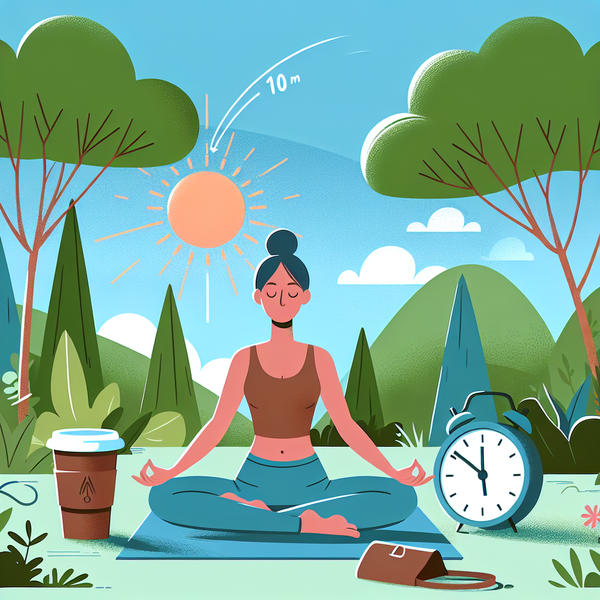
Title: Can 10 Minutes of Breathwork Replace Coffee? The Evidence Behind Energy Boosting Breaths
Breathwork for Morning Energy: Could 10 Minutes Beat Coffee
You know that bleary moment when the alarm chirps and your brain feels stuck in low power mode. Most of us grab a mug and hope caffeine flips the switch. But what if your breath could do that job in 10 minutes or less. Breathwork is being used as one of the most practical energy hacks out there. It is fast. It is free. And you can use it at the exact moment you need morning energy or a midday lift.
Here is the bold claim we will test today. With the right breathing exercises, you can nudge your nervous system toward alertness without extra coffee. We will cover what breathwork is, how it boosts energy, and which pranayama and modern drills actually work. You will get simple routines, science backed explanations, and safety notes that keep you in the sweet spot between calm and sharp.
Smart Energy Hacks and Real Caffeine Alternatives You Can Do With Air
Breathwork is a set of intentional breathing practices that change your body state on purpose. Think of it like a manual control panel for alertness, focus, and calm. When you speed up or slow down your inhale and exhale, you change signals that your brain uses to decide how awake you should feel. That is the core reason breathwork sits high on lists of caffeine alternatives and daily energy hacks. You do not need a machine or a pill. You just need a few patterns and a timer.
Subsection 1: Why breathing can switch your energy fast
Here is the simple version. Your breath tweaks carbon dioxide and oxygen levels in your blood. That tweaks nerve signals in your brainstem. These signals set the tone for your autonomic nervous system. Fast, strong breaths usually edge you toward alert and ready. Slow, long exhales lean you toward calm and steady. Both are useful if you want consistent morning energy without jitters.
There is also a mechanical side. As your diaphragm moves, pressure in your chest changes. This movement nudges your heart rate up or down by tiny steps with each breath. Inhale speeds it. Exhale slows it. Ten minutes of targeted breathing exercises can steer that rhythm and shift how awake you feel. Think of it like a dimmer switch rather than an on off button.
Many people think energy equals more oxygen. But the body is about balance. A gentle rise in carbon dioxide tolerance often helps oxygen unload into tissues better. That is why short breath holds or slow breathing can actually make you feel more present. Then there is nasal breathing. Air through the nose adds a touch of resistance and can boost nitric oxide in the airways. That may help open vessels and fine tune blood flow. Small levers, noticeable effect.
Real life story time. A client in marketing swapped her second cup for a 7 minute set of brisk nasal breaths with short recoveries. She said the buzz felt cleaner and lasted. No crash. She kept her first coffee because she enjoys the ritual. But the afternoon slump eased up after a week of practice. That is the theme you will see with breathwork based energy hacks. It stacks with your habits and often lets you use less caffeine.
Subsection 2: Techniques that wake you up
Pick the right tool for the job. If you want to spark morning energy, use patterns that tilt you toward alertness without going into panic breath. Below are practical caffeine alternatives that you can do at home, on your commute, or before a meeting.
1) Brisk Nasal Breaths with Easy Recoveries
This is a simple, safe on ramp. Inhale and exhale through your nose at a steady, quick pace for 20 seconds. Think light and rhythmic, not aggressive. Then breathe easy for 40 seconds. That is one minute. Do five to ten rounds. Most people feel warmer and more alert by minute five. Keep your shoulders relaxed and your jaw soft.
2) Kapalabhati Inspired Pops
This pranayama drill uses short active exhales and passive inhales. Sit tall. Pop your belly in as you push air out through your nose, then let the inhale fall in. Start with 20 gentle pops, rest for 40 seconds, and repeat for 3 to 5 sets. Stay light. If you get dizzy, stop and return to normal breath. This can deliver a quick lift in morning energy when you feel foggy.
3) The Physiological Sigh, Stacked
Take a small inhale through the nose, then a second sip of air on top, then a slow long exhale through the mouth. That long exhale helps offload carbon dioxide and lowers stress. Now stack 10 to 15 of these in a row to clear tension. Follow with one to two minutes of easy nasal breaths. Many people report a calm alert feel after this set, which pairs well with creative tasks.
4) Box Breath to Stabilize
Draw a square with your mind. Inhale 4 seconds, hold 4, exhale 4, hold 4. Repeat for 3 to 5 minutes. Box breathing does not spike energy as much as the brisk drills. But it builds poise and focus. Use it when your nerves feel jumpy and you need steady attention instead of a jolt.
5) Controlled Exhale Emphasis
Inhale 3 seconds, exhale 6 seconds, for 3 to 5 minutes. A longer exhale lowers tension and clears mental noise. After that, add 90 seconds of faster nasal breaths to finish with lift. The mix gives you the alert calm zone that many coffee fans chase.
6) Short Breath Holds for Edge and Focus
Nasal inhale, nasal exhale, then hold with empty lungs for 5 to 10 seconds. Keep it comfortable. Repeat five to eight times. These gentle holds build tolerance to carbon dioxide. Over a week or two, you may notice sharper focus from less anxiety during tasks. Do not do breath holds in water or while driving.
Subsection 3: Common mistakes, safety, and pro notes
Go too hard, too fast. Strong rapid breathing can make you lightheaded. Aim for light to moderate effort. Keep the first few sessions to 5 to 7 minutes and build up.
Ignore posture. Slouching limits the diaphragm. Sit or stand tall. Imagine your ribs moving like an umbrella opening and closing. This makes any breathing exercises more effective.
Mouth breathing all the time. Nose breathing is your default for these drills. The nose filters air and adds a hint of resistance that smooths the rhythm.
Skip recovery breaths. After a brisk set, always add 30 to 60 seconds of easy nasal breathing. This lets your nervous system settle into the new state.
Use during unsafe situations. Do not practice strong breathing or holds while in water, driving, on a ladder, or during any task that needs full attention.
Health note. If you are pregnant, have uncontrolled blood pressure, a serious heart, lung, or panic condition, or a history of fainting, talk with a clinician before you try intense pranayama. Stay with light, slow routines and stop if anything feels off.
Coaches who use breathwork often say the same thing in different words. Most people do not need new lungs. They need better rhythm and intention. When you lead with the nose, stay tall, and pick the right dose, energy lifts and thinking clears. It feels like turning noise down in your head while turning brightness up on your screen.
Pranayama and Breathing Exercises That Deliver Morning Energy in 10 Minutes
Here are step by step plans you can plug into your day. Each one can stand in for a second coffee or fit alongside your current routine. Choose one and run it for a week before you switch. Consistency beats intensity.
10 Minute Coffee Swap, Version A
1) Sit tall. Breathe easy through your nose for 60 seconds to settle in.
2) Do 20 seconds of brisk nasal breaths, then 40 seconds of easy nasal breathing. Repeat 7 rounds.
3) Finish with 60 seconds of box breathing at 4 4 4 4 to lock in focus.
Why it works: The brisk sets raise alertness. The box finish steadies your mind so the lift feels clean. Many people find this stacks well with light morning sun and a glass of water.
10 Minute Coffee Swap, Version B
1) Two minutes of inhale 3 seconds, exhale 6 seconds.
2) Four rounds of Kapalabhati inspired pops, 20 gentle pops each, 40 seconds easy nasal breathing between rounds.
3) Two minutes of physiological sighs, 10 to 15 in a row, then slow nasal breathing.
4) One minute of normal nasal breathing to finish.
Why it works: You begin by clearing tension, add a controlled spark, then land in calm alert. This blend suits deep work or planning.
2 Minute Desk Reset for Slumps
1) Do 10 stacked physiological sighs.
2) Breathe normal for 20 seconds.
3) Do 30 seconds of brisk nasal breaths, light and quiet.
4) Breathe normal for 30 seconds.
When to use: Before a Zoom call, after lunch, or when your mind drifts. It is a quick caffeine alternative that does not upset sleep later.
Commute Friendly Air Gains
1) Inhale 4 seconds through the nose, exhale 6 seconds through the nose, for 3 minutes.
2) Add five light empty lung holds, 5 to 8 seconds each, spaced by calm breathing.
3) Finish with 60 seconds of easy nasal breaths.
Tip: This routine pairs nicely with a walk. Keep your breath silent, posture tall, and eyes on the horizon. Moving plus breathwork often multiplies morning energy.
Workout Primer Without a Preworkout
1) One minute of gentle nasal breaths to warm up.
2) Three rounds of 30 seconds brisk nasal breaths, 30 seconds easy.
3) One minute of box breathing to focus.
4) Start your warm up set.
Why it works: You raise alertness and prime your trunk with diaphragmatic movement. The box breath keeps you sharp without jitters.
Evening Friendly Lift When You Avoid Late Caffeine
1) Two minutes of inhale 4 seconds, exhale 8 seconds to wash off the day.
2) One minute of very light brisk nasal breaths.
3) Two minutes of normal nasal breathing.
Result: Calm alert instead of wired. Useful for study or a social event where you want presence but also sleep later.
Habits that make breathwork stick
- Tie your session to something you already do. Right after you pour water. After you brush your teeth. Before you open your laptop.
- Track it. Put a tiny dot on your calendar each day you do it. Aim for chains of 5 or more and try not to break the chain.
- Keep it light on busy days. Two minutes beats zero minutes. One long breath beats no breath.
- Pair with simple add ons. Morning light, a pinch of salt in your water if you sweat a lot, and a short walk turn small breathing exercises into reliable energy hacks.
How breathwork compares to coffee
- Speed: Coffee can hit in 10 to 20 minutes. Fast breathwork can change your state in 1 to 3 minutes.
- Control: Coffee is one gear. Breathwork has many gears. You can dial up or down as needed.
- Side effects: Coffee can spike stress for some people and disrupt sleep. Breathwork is flexible and can be calming or energizing depending on the drill.
- Habit load: Coffee is easy and fun. Keep it if you like it. Use breathwork as a tool to lower your total caffeine, or to hold you over when you want a break.
How to test this in your real life
Run a 7 day experiment. Keep your first coffee if you love it. Swap your second cup for one 10 minute breathwork plan from above. Track 3 things on a 1 to 10 scale: alertness, focus, and calm. Also note sleep quality. If your numbers rise or you just feel better, keep going. If you feel nothing, change the drill or time of day and try one more week.
Who should be careful
If you have a serious heart or lung diagnosis, uncontrolled blood pressure, or a history of panic attacks, stay with gentle routines. Think inhale 4 seconds, exhale 6 to 8 seconds, or box breathing. Stop if you feel unwell. Talk with a clinician if you are not sure. Do not do intense breathwork in water or in risky settings.
Small tips for big results
- Use your nose unless the drill says otherwise. It keeps the breath smooth and efficient.
- Keep your breaths quiet. Noise often means tension.
- Sit or stand tall with soft shoulders and a long neck.
- Warm up with 60 seconds of easy nasal breathing before any brisk set.
- End with 30 to 60 seconds of calm nasal breathing to lock in the state you want.
- Consistency beats complexity. Master one drill for two weeks before adding more.
Conclusion: Can breathwork really replace coffee
Replace is a strong word. Coffee has culture, comfort, and a clear kick. But breathwork gives you something coffee does not. Control. With 10 minutes of focused breathing exercises, you can nudge your system toward wakeful calm or clean focus any time of day. You can do it before a meeting, during a commute, or when the afternoon slump hits. You can build morning energy without stacking more caffeine.
Here is the bottom line. If you want fewer jitters, better sleep, and steady energy, treat breathwork as your go to set of caffeine alternatives. Use brisk nasal drills for a quick lift. Use box breathing or long exhales to steady your mind. Mix and match to fit your day. Run the 7 day test and see how you feel. Your breath is a simple lever. Pull it with care, and you may find you need less coffee to feel like yourself.
Meta Description: Breathwork for morning energy works. Learn energy hacks, caffeine alternatives, and pranayama breathing exercises that boost focus in 10 minutes.